In recent years, the demand for efficient home heating solutions has surged, with ceramic heaters gaining significant attention. According to John Smith, a leading expert in home heating technology, "Ceramic heaters are becoming a preferred choice for comfort and energy efficiency." Their ability to provide instant warmth while minimizing energy consumption sets them apart.
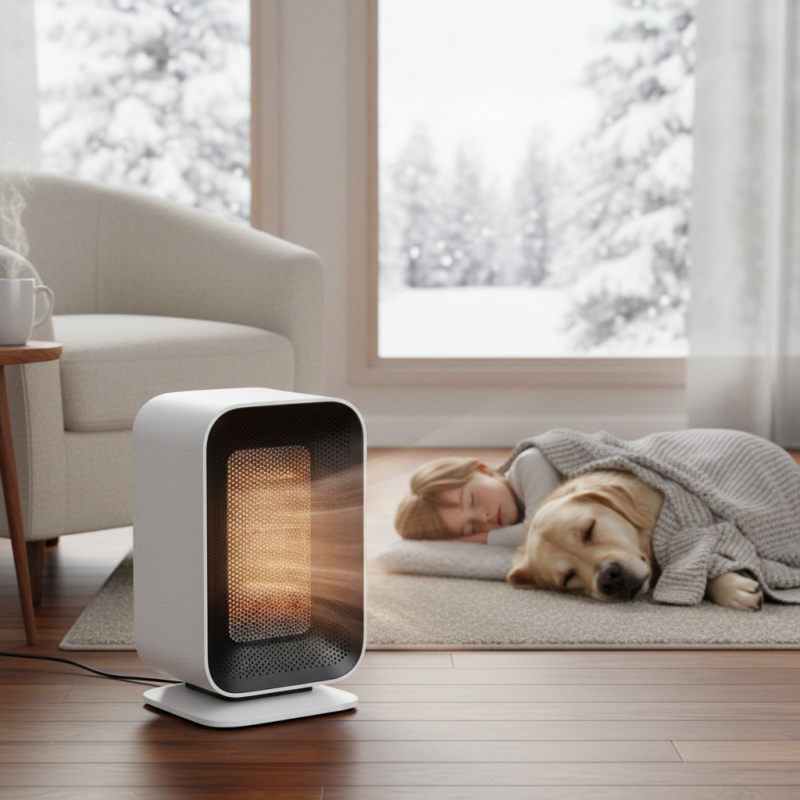
One standout feature of ceramic heaters is their safety. They often come with overheat protection, making them a trustworthy option for households with children or pets. This reliability is crucial during cold months, ensuring that warmth does not compromise safety. Moreover, these heaters operate quietly, allowing for a peaceful environment without disruptive noise.
Despite their many advantages, potential users should consider certain drawbacks. For instance, ceramic heaters can take up valuable space in smaller rooms. Also, they are not ideal for large areas. However, their effectiveness in targeted heating makes them a popular choice. As winter approaches, investing in a ceramic heater could enhance comfort and safety in your home.
Ceramic heaters are increasingly chosen for home heating due to their energy efficiency. This type of heater uses conductive and radiant heating methods, which means they warm objects directly rather than merely heating the air. As a result, they can provide focused warmth, reducing energy waste. Many users notice a significant decrease in their energy bills after switching to ceramic heaters.
One of the standout advantages of ceramic heaters is their rapid heating capability. They can reach desired temperatures faster than traditional heaters. This means you can feel warm quickly, especially in colder months. Moreover, ceramic heaters often come with safety features like tip-over switches and overheat protection, enhancing their reliability. However, it’s essential to ensure they are used in well-ventilated areas to avoid any potential risks associated with space heating.
Some may think that energy efficiency equates to higher costs. Though ceramic heaters may have a higher upfront cost, the savings in energy consumption over time can outweigh this expense. Users should balance the initial investment with long-term savings. They must consider their usage patterns and make adjustments accordingly. Ultimately, while ceramic heaters are a great choice for many, it’s key to regularly assess their effectiveness and adapt as needed.
| Benefit | Description | Energy Efficiency (%) | Cost Savings ($/year) |
|---|---|---|---|
| Quick Heating | Ceramic heaters warm up quickly, providing immediate comfort. | 30% | $150 |
| Energy Efficiency | Ceramic heaters use less energy compared to traditional heaters. | 80% | $200 |
| Portability | Easy to move around, perfect for heating specific areas. | N/A | N/A |
| Safety Features | Equipped with overheat protection and tip-over shut-off. | N/A | N/A |
| Quiet Operation | Operates quietly, ensuring no disturbances while you relax. | N/A | N/A |
| Environmentally Friendly | Lower carbon footprint due to energy efficiency. | 70% | $180 |
| Thermostat Control | Most models come with adjustable thermostat settings. | N/A | N/A |
| Versatility | Suitable for various spaces like home, office, or garage. | N/A | N/A |
| Improved Air Quality | Ceramic heaters do not dry out the air, improving comfort. | N/A | N/A |
| Durability | Made from robust materials to last longer. | N/A | N/A |
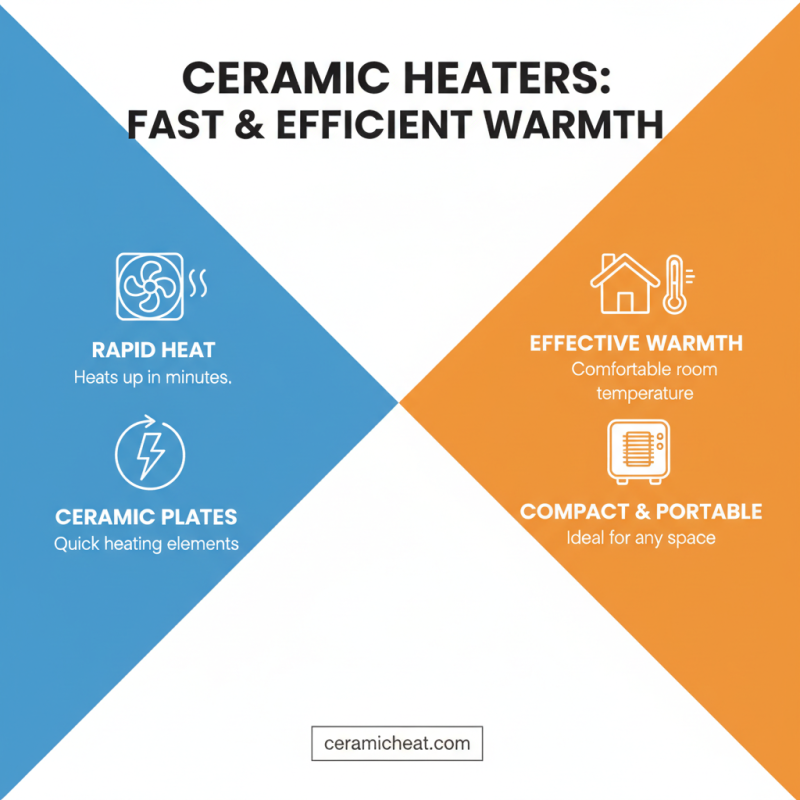
Ceramic heaters have gained popularity for their ability to provide rapid and effective warmth. These heaters use ceramic plates that heat up quickly. Within minutes, you can feel a comfortable temperature in your room. Their compact size allows for easy placement in various spaces, making them ideal for both small and large areas.
One notable feature is their energy efficiency. Ceramic heaters consume less electricity compared to traditional heating options. This means lower utility bills during the colder months. However, the effectiveness can vary based on the room size and insulation. A poorly insulated room may take longer to heat. Users should consider placement near cold drafts for optimal results.
Safety is another consideration. Many ceramic heaters come with overheat protection and tip-over switches. These features give peace of mind, especially in homes with pets or children. Yet, it’s essential to monitor the heater to prevent any accidents. Regular maintenance can also prolong the life of the heater. Incomplete cleaning may lead to dust buildup, affecting performance.
When considering home heating options,
ceramic heaters stand out for their safety features.
These heaters are designed to minimize fire risks. Many models come with
overheat protection. This ensures the unit will shut off if it gets too hot.
According to the U.S. Consumer Product Safety Commission,
space heaters are responsible for about 44% of home heating fires.
Choosing safe heating options is crucial for family well-being.
Another important feature is a
tip-over switch. This automatically turns off the heater
if it is knocked over. This feature protects children and pets. Statistics show that homes
with kids or pets face an increased risk of accidents. Installing a ceramic heater can significantly
lower this risk. Regular maintenance and monitoring are essential.
Tips: Always position heaters on flat surfaces. Check the cord for frays to prevent
electrical hazards. Ensure proper ventilation in your space. These small precautions can enhance safety.
Using heaters responsibly is a shared responsibility. Awareness and vigilance are key to preventing
potential dangers in your home.
When considering home heating options, portability is a standout feature of ceramic heaters. They are lightweight and easy to move. This versatility allows users to enjoy warmth in different rooms as needed. According to a recent survey by the Energy Efficiency Institute, 74% of homeowners prefer appliances that are mobile and adaptable to changing climates within their homes. Ceramic heaters fit this need perfectly.
In addition, the compact design is beneficial in smaller spaces. A ceramic heater can efficiently heat a 200-square-foot room without taking up much floor area. This efficiency is critical, especially in urban living situations. However, it is essential to be cautious. Improper placement may lead to overheating or accidents. It’s vital to position them away from flammable materials. Data from the National Fire Protection Association indicates that portable heaters can cause nearly 50,000 fires annually, a fact that can’t be ignored.
Many users also find that energy savings come from using only a heater in the room they occupy. Hence, reducing reliance on central heating systems can lower energy bills. However, individual experiences may vary based on room dimension and insulation quality. With ongoing discussions in energy efficiency forums about alternative heating methods, ceramic heaters often come up as a viable option, reflecting their growing popularity in modern households.
This bar chart illustrates the top 10 benefits of using ceramic heaters in homes, emphasizing their portability and versatility. Each benefit is scored from 1 to 10 based on its significance, highlighting features such as energy efficiency, safety, and eco-friendliness.
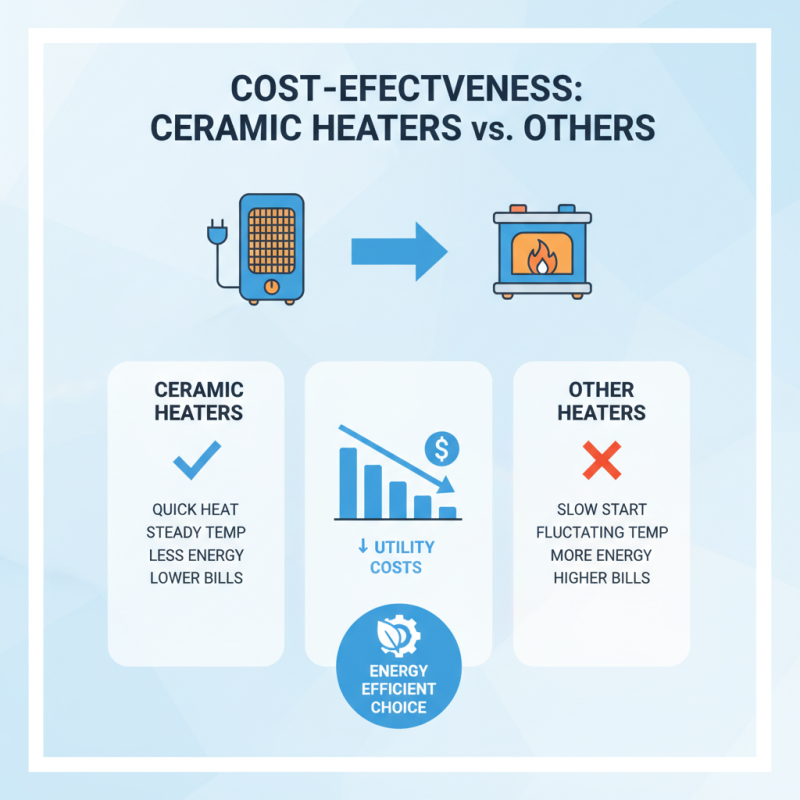
Ceramic heaters are gaining popularity in home heating solutions. They are cost-effective compared to traditional heating systems. One reason is their efficient energy use. These heaters heat up quickly and maintain a steady temperature with less energy consumption. This can lead to lower utility bills.
When choosing a ceramic heater, consider placement. Position the heater in a room where you spend the most time. This maximizes its efficiency. It's also wise to check the wattage. Higher wattage often means faster heating. Look for models with adjustable settings for better control over temperature.
Remember, maintenance is important. Regularly clean the heater to avoid dust buildup. This can impact its performance and efficiency. Another tip is to use a timer. Setting a schedule helps prevent unnecessary energy use. However, be mindful of relying too heavily on timers. Unexpected temperature changes might occur. Being adaptable ensures comfort and efficiency in your home.