Airduct Heater Best Options for Efficient Home Heating?
When considering efficient heating solutions, the choice of an Airduct Heater can significantly impact your home's comfort. John Smith, a veteran HVAC expert, once stated, “A well-chosen Airduct Heater can transform your living space into a warm oasis during cold months.” This statement highlights the crucial role these heaters play in our home environments.
Airduct Heaters function by warming the air that travels through the duct systems, distributing heat evenly throughout the house. They come in various models, each with different benefits and drawbacks. Some consumers find themselves overwhelmed by choices. It's easy to overlook how critical proper sizing and energy efficiency are in this selection process.
Failure to research may lead to poor decisions that increase utility bills. Homeowners sometimes settle for lower-quality units that don’t last long. It’s essential to weigh your options carefully. In the end, investing time in understanding your needs and available options will pay off in comfort and energy savings. Choosing an Airduct Heater isn't just about warmth—it's about smart living.
Understanding Airduct Heaters: Function and Benefits
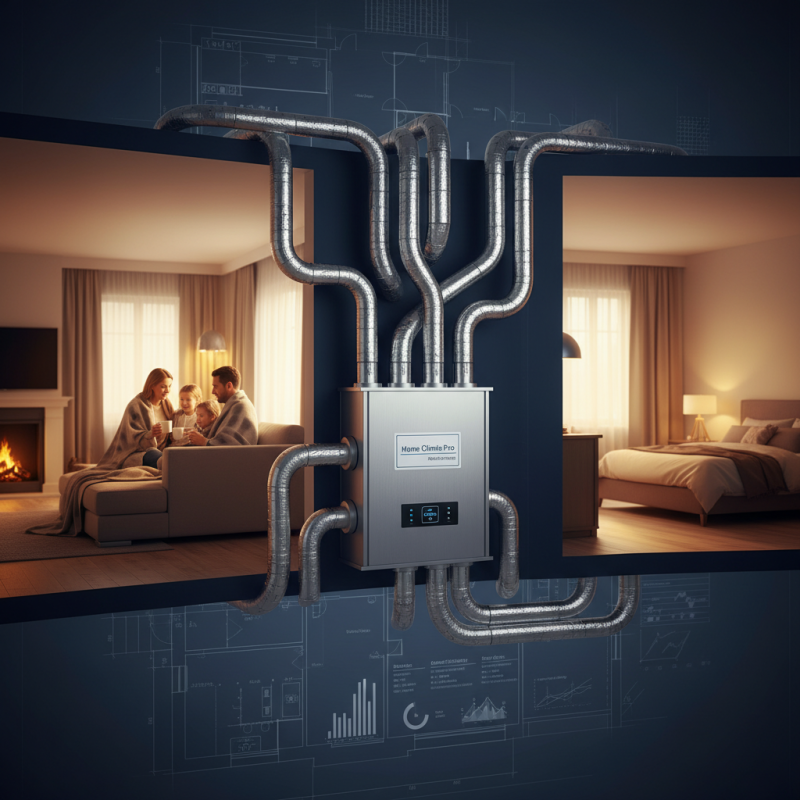
Air duct heaters are vital for maintaining a comfortable home environment. They work by warming air and distributing it through ductwork. This process ensures even heating across different rooms. According to a recent report by the U.S. Department of Energy, properly maintained air systems can improve energy efficiency by up to 30%.
The benefits of air duct heaters are numerous. They offer quick heating, which is essential during cold months. Many systems can be integrated with smart thermostats. This integration allows for better control over heating schedules. However, it’s important to note that poor insulation can reduce efficiency. Air leaks in the ducts can waste energy and drive up costs.
Homeowners must consider maintenance to keep systems efficient. Regular cleaning prevents dust buildup, which can obstruct airflow. A study from the American Society of Heating, Refrigerating and Air-Conditioning Engineers found that dirty equipment can reduce system efficiency by as much as 25%. Reflecting on these points highlights the need for both initial setup and ongoing care.
Airduct Heater Efficiency Comparison
Types of Airduct Heaters: Electric vs. Gas Options
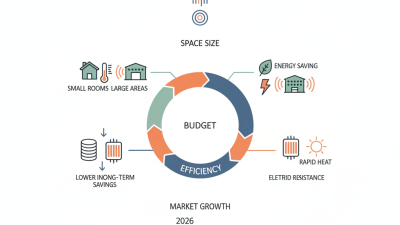
When it comes to heating your home efficiently, choosing the right air duct heater is crucial. Electric and gas options are the two primary types. Electric heaters are often easier to install and maintain. They operate quietly and can be more efficient for smaller homes. However, the electricity costs can add up, especially during colder months. Many homeowners find themselves surprised by their energy bills.
Gas air duct heaters, on the other hand, can heat larger spaces quicker. They generally provide powerful heating for big homes. But gas heaters require proper ventilation to avoid carbon monoxide risks. Maintenance can be more involved, as regular checks are necessary. Some users appreciate the consistent warmth, while others worry about the potential hazards.
Choosing between electric and gas requires reflection on your home’s size and your heating needs. Both types have distinct advantages and drawbacks. What works well for one home may not suit another. Remember, there's no one-size-fits-all solution. It's essential to evaluate your situation carefully. Consider energy costs and safety features to make the best choice for your comfort and peace of mind.
Airduct Heater Best Options for Efficient Home Heating
| Type |
Energy Source |
Efficiency Rating |
Installation Cost |
Operating Cost |
Lifespan |
| Electric Airduct Heater |
Electricity |
90-100% (dependent on model) |
$500 - $1500 |
Moderate to high |
10-20 years |
| Gas Airduct Heater |
Natural Gas |
80-98% (dependent on model) |
$1000 - $3000 |
Low to moderate |
15-25 years |
| Hydronic (Hot Water) Airduct Heater |
Water (Electric or Gas) |
85-95% (dependent on model) |
$1200 - $2500 |
Moderate |
20-30 years |
Key Features to Consider for Efficient Heating Performance
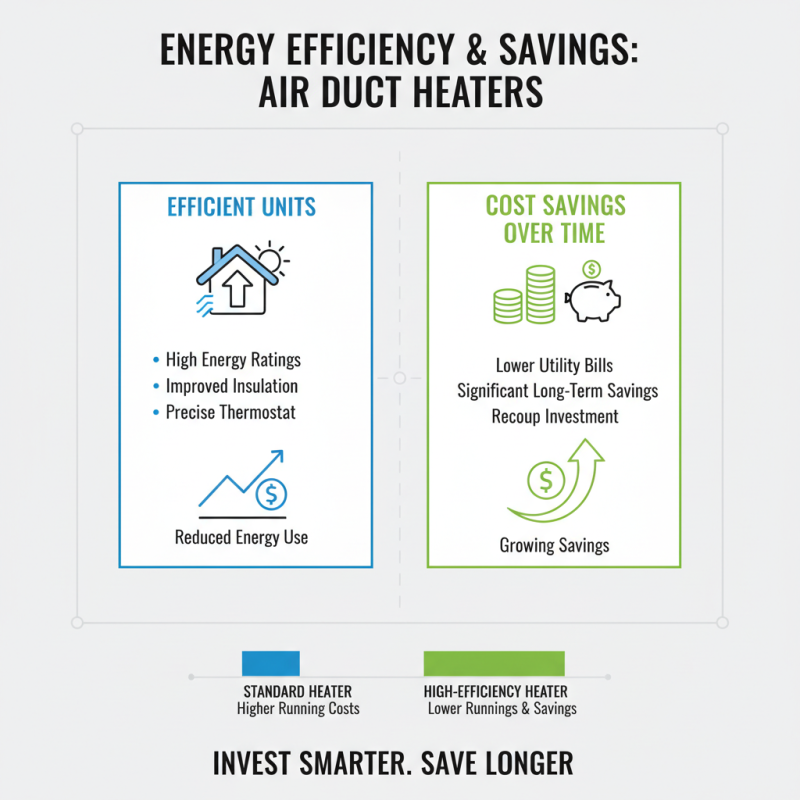
When choosing an air duct heater, efficiency is key. Look for models with high energy ratings. This often means better heating at a lower cost. Also, consider the size of your space. A unit that’s too small can struggle to heat your home. Conversely, an oversized heater may waste energy.
Adjustable thermostats are essential features. They allow for precise temperature control. Many heaters also come with timers. This is great for setting the heater to turn on before you arrive home. Think about installation requirements as well. Some units require professional help, while others are easier to install yourself.
Durability matters too. Look for heaters made of robust materials. Cheaper options might save money initially but could fail sooner. Check for safety features like overheat protection. These can prevent fires, which is always a critical concern. Balancing these factors can lead to thoughtful choices that enhance your home’s warmth.
Installation Requirements and Best Practices for Airduct Heaters
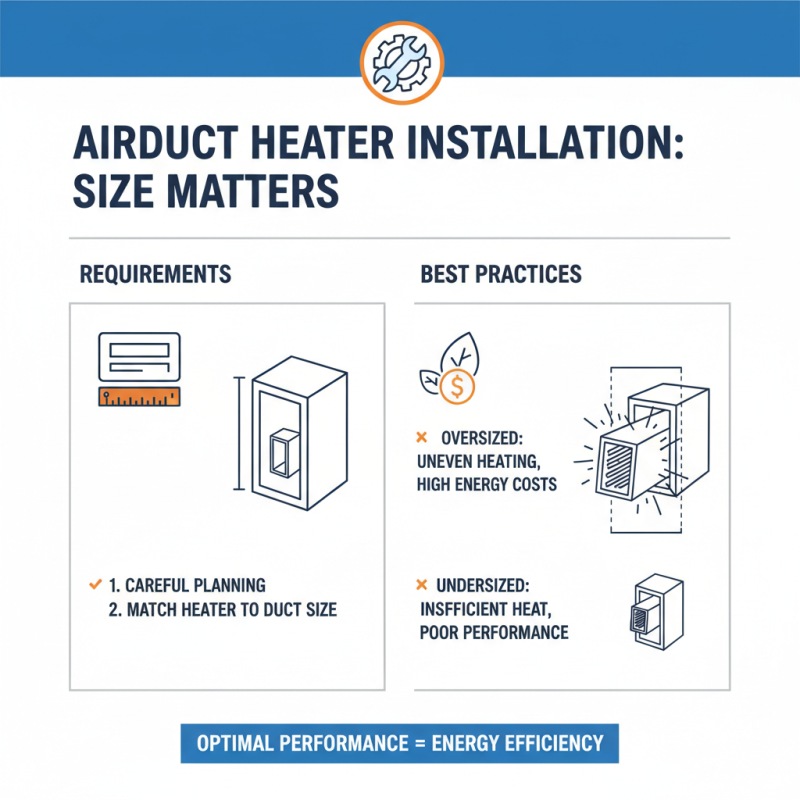
When considering the installation of air duct heaters, certain requirements must be met for optimal performance. First, careful planning is crucial. The size of the heater should match the existing ductwork. An oversized heater can lead to uneven heating and increased energy costs. Conversely, a unit that is too small will struggle to maintain desired temperatures.
Proper clearance is essential. Heaters need adequate space around them for airflow. This prevents overheating and potential safety hazards. Ensure that no insulation or debris obstructs the unit. Additionally, it's important to check local code requirements, as these can vary widely. Installing without adhering to regulations might lead to costly setbacks.
Best practices include regular maintenance. Routine inspections help in identifying potential issues before they escalate. Cleaning the air ducts is equally important. Dust and debris buildup can diminish efficiency and air quality. Lastly, consider the placement of the heater. Positioning it close to living areas can enhance comfort. Take the time to evaluate your home’s layout for optimal heater placement. These reflections can make a substantial difference in heating efficiency and overall satisfaction.