Why Choose Airduct Heater for Efficient Heating Solutions?
In the world of heating solutions, the choice of an Airduct Heater stands out. According to John Smith, a seasoned HVAC expert, "Efficient heating is key to comfort and energy savings." This statement highlights the importance of selecting the right heating system for any space. Airduct Heaters provide effective heating by circulating warm air efficiently through ductwork.
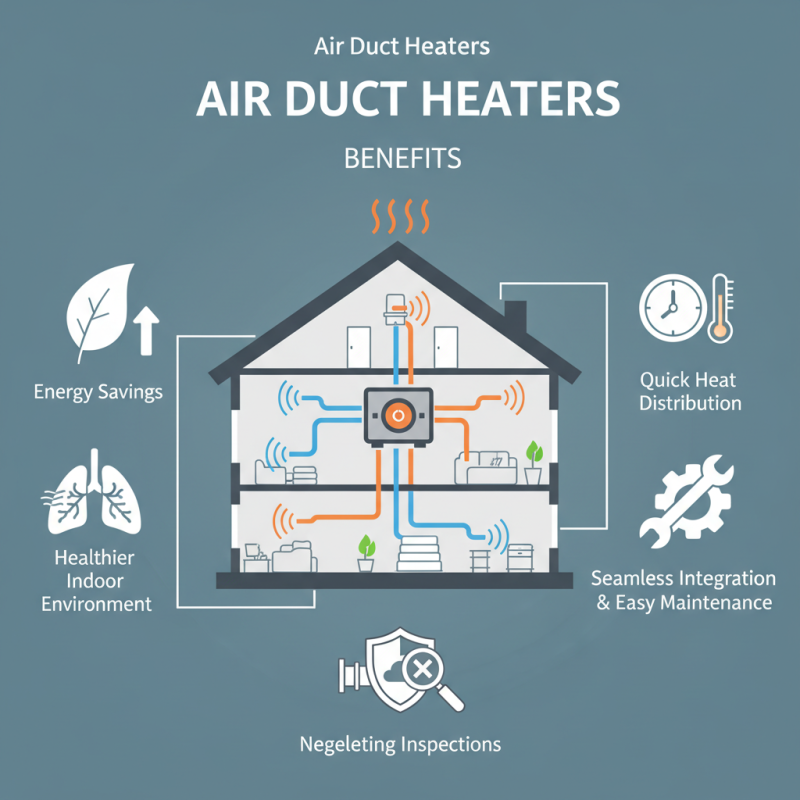
The technology behind Airduct Heaters allows for quick heat distribution, ensuring that rooms warm up promptly. They are designed to integrate seamlessly with existing HVAC systems. Proper installation and maintenance can significantly enhance their performance. However, many homeowners overlook regular inspections, which can lead to inefficiencies.
In a competitive market, the benefits of Airduct Heaters cannot be underestimated. They not only offer significant energy savings but also contribute to a healthier indoor environment. However, consumers must be cautious and choose reputable brands. The importance of professional installation and regular servicing cannot be ignored.
Benefits of Airduct Heaters for Climate Control
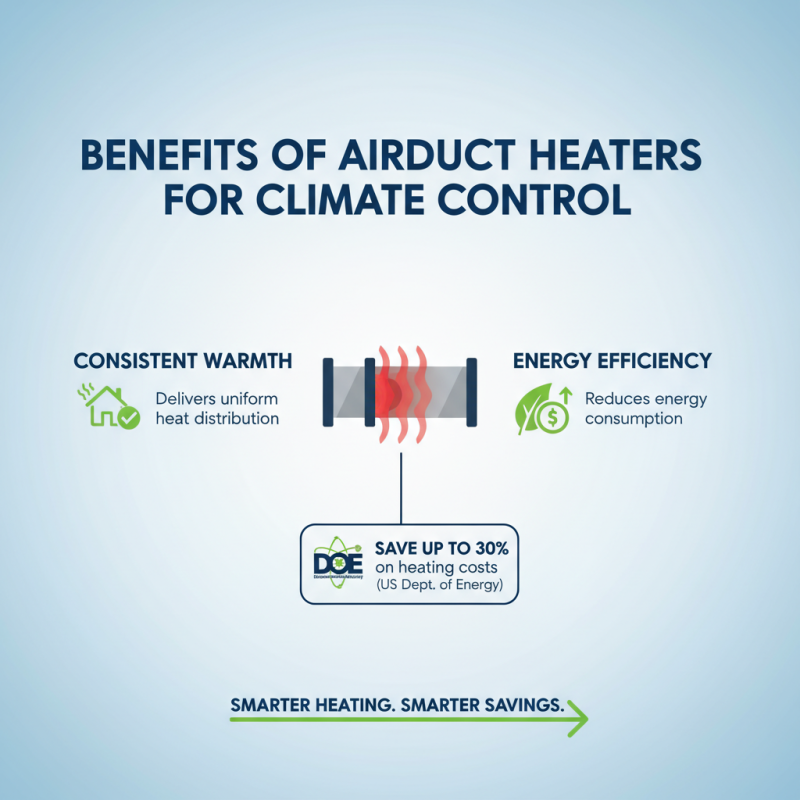
Airduct heaters are increasingly being recognized as an effective solution for climate control. These systems can deliver consistent heat throughout a space. According to the U.S. Department of Energy, approximately 30% of energy used in buildings is for heating. Airduct heaters utilize this energy efficiently, potentially reducing overall consumption.
One major benefit of airduct heaters is their ability to distribute warmth evenly. This can lead to improved comfort levels in homes and commercial spaces alike. The National Renewable Energy Laboratory reports that maintaining a consistent indoor temperature can enhance productivity and well-being. With precise temperature control, airduct heaters can optimize heating, adapting to changes in external conditions seamlessly.
However, performance can vary based on installation and maintenance. In some cases, outdated or poorly designed systems can lead to inefficiencies. The Environmental Protection Agency states that regular maintenance is critical to ensure optimal functionality. Homeowners may face challenges if not adequately monitored. Ensuring qualified professionals oversee installation and upkeep is key. The benefits of airduct heaters are clear, but the nuances of performance should not be overlooked.
How Airduct Heaters Improve Energy Efficiency
Airduct heaters are becoming increasingly popular for their efficiency in heating spaces. With rising energy costs, many professionals are seeking effective solutions. According to the U.S. Department of Energy, heating accounts for about 30% of a home's energy use. Airduct heaters can significantly reduce this number by providing a targeted heating approach.
These heaters work by distributing warm air directly through existing ductwork. This can lead to improved energy efficiency. Studies show that using airduct heaters can yield up to a 20% reduction in energy consumption. A well-installed system can ensure optimal airflow and minimize heat loss. However, maintenance is crucial. Neglecting regular inspections can lead to reduced efficiency over time and raise energy bills unexpectedly.
Moreover, while airduct heaters are effective, they may not be suitable for every space. Some homes with older duct systems may experience inefficiencies. Addressing these potential drawbacks is vital for homeowners considering this option. Implementing airduct heaters should accompany an assessment of existing systems for best results. This helps ensure long-term efficiency and comfort in heated spaces.
Why Choose Airduct Heater for Efficient Heating Solutions? - How Airduct Heaters Improve Energy Efficiency
| Feature |
Description |
Energy Efficiency Rating |
Average Cost |
| Quick Heat Distribution |
Heats up spaces rapidly, ensuring comfort. |
A+ |
$300 |
| Zone Control |
Allows for targeted heating in specific areas. |
A++ |
$400 |
| Versatile Installation |
Can be integrated into existing HVAC systems. |
A' |
$250 |
| Reduced Energy Bills |
Enhances energy efficiency, lowering costs. |
A+++ |
$350 |
| Safety Features |
Built-in safety mechanisms to prevent overheating. |
A+ |
$320 |
Comparative Analysis: Airduct Heaters vs. Traditional Heating Systems
Airduct heaters present a modern approach compared to traditional heating systems. Unlike conventional methods, they deliver heat directly through air ducts. This setup enhances efficiency by reducing heat loss. According to the U.S. Department of Energy, homes using airduct heaters can save up to 30% on heating costs.
Traditional heating systems often rely on radiant heat or space heaters. These methods can lead to uneven heating and higher energy consumption. A report from the American Society of Heating, Refrigerating and Air-Conditioning Engineers indicates that airduct heaters provide more consistent temperatures throughout the home, which can also improve comfort levels.
For optimal performance, consider regular maintenance of your ductwork. Dust and debris can hinder airflow, decreasing efficiency. Seal any leaks to prevent heat loss. Additionally, installing a programmable thermostat can further enhance savings. This allows for tailored heating schedules that align with your lifestyle, ensuring you don’t waste energy when not at home.
Comparative Analysis of Heating Efficiency
Installation and Maintenance Considerations for Airduct Heaters
When considering airduct heaters, installation and maintenance are crucial for optimal performance. Proper installation ensures efficient airflow and temperature distribution. According to the HVAC industry report, incorrect installation can decrease energy efficiency by up to 30%. This highlights the importance of hiring qualified technicians to handle the installation. Their expertise can help prevent common issues such as air leaks and inadequate sealing.
Maintenance is another vital aspect. Regular checks can enhance the lifespan of airduct heaters. The Air Conditioning Contractors of America (ACCA) recommends quarterly inspections for commercial units. These inspections should include cleaning filters and checking for corrosion. Many users overlook these maintenance tasks, leading to inefficient heating and higher energy costs.
Neglecting maintenance can lead to unexpected breakdowns. In fact, a 2022 study indicated that 20% of HVAC failures are due to poor upkeep. Such failures result in costly repairs and discomfort for users. A well-maintained airduct heater can run efficiently, saving money in the long run. Reflecting on maintenance practices is essential for optimizing system performance.
Applications of Airduct Heaters in Residential and Commercial Spaces
Airduct heaters are increasingly popular in both residential and commercial settings. Their ability to deliver consistent warmth makes them a viable option for efficient heating. According to the U.S. Department of Energy, over 50% of residential energy use goes to heating. This highlights the need for effective heating solutions like airduct heaters.
In residential spaces, airduct heaters can be utilized to maintain comfortable temperatures during the winter months. They excel in areas with high ceilings or open layouts, ensuring even heat distribution. This is particularly relevant as studies show that uneven heating can increase energy bills by 20-30%. Commercial spaces also benefit, especially warehouses and retail environments where consistent temperatures help preserve products and enhance customer comfort.
**Tip:** Regular maintenance of airduct heaters is essential. Cleaning or replacing filters can improve efficiency by up to 15%.
While airduct heaters provide numerous advantages, it's essential to consider potential drawbacks. Installation may require upfront investment and adequate ventilation. An improper setup can lead to inadequate heating and increased operational costs. Awareness of these issues is crucial for maximizing the benefits of airduct heating.
**Tip:** Evaluate your space’s heating needs before choosing a system. Proper sizing is key to optimal performance.