How to Choose the Right Heat Cartridge for Your Needs?
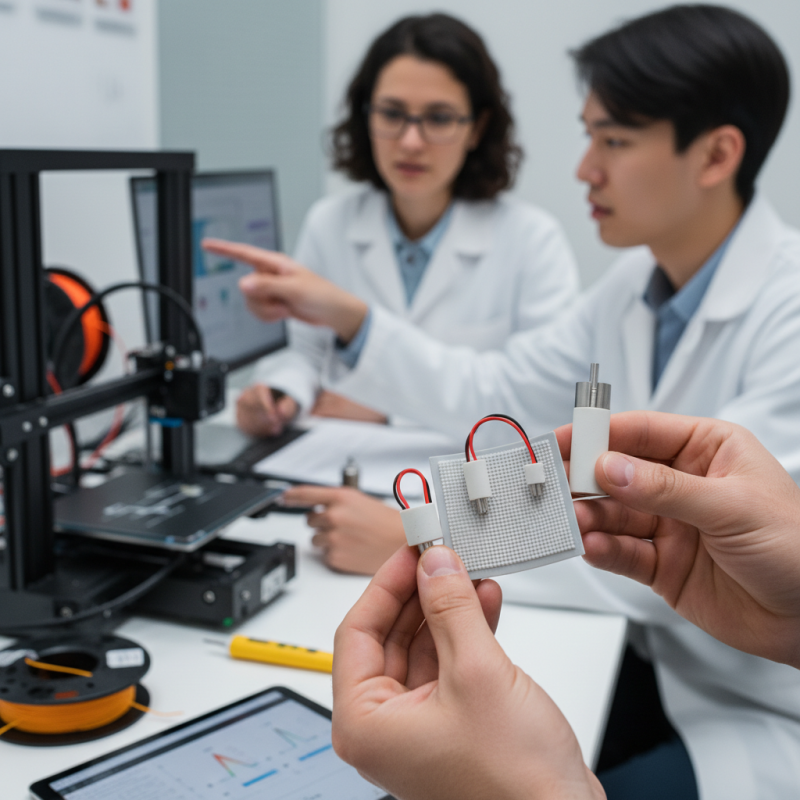
Choosing the right Heat Cartridge can greatly impact your printing process. Dr. Emily Chen, a leading expert in 3D printing technologies, emphasizes, “Selecting the right Heat Cartridge is crucial for efficiency and quality.”
Understanding your specific needs is the first step. Various factors affect decision-making, including the material being used, printer compatibility, and desired temperature range. Each Heat Cartridge serves a unique purpose, and the wrong choice can lead to issues like inconsistent heating and print failures.
It's important to reflect on your past experiences and challenges. Not every cartridge will meet your expectations or project requirements. Sometimes, trial and error is part of the process. Consider reaching out to industry experts and user communities for advice. Their insights can help you avoid costly mistakes and ensure you select the best Heat Cartridge for your projects.
Understanding Heat Cartridges: Types and Specifications
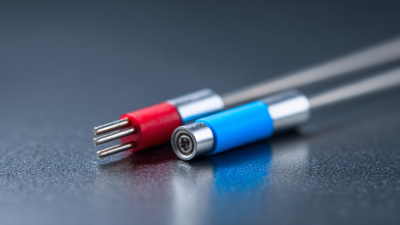
Heat cartridges are crucial components in various applications, especially in 3D printing and industrial processes. Understanding the types and specifications is essential to make the right choice. Generally, heat cartridges come in several types: high wattage, low wattage, and special material versions. The wattage determines how fast the cartridge can heat, impacting efficiency. For instance, a high-wattage cartridge can reach temperatures of 300°C in under 10 minutes.
When selecting a heat cartridge, it’s important to consider the specific requirements of your application. Pay attention to the voltage, wattage, and size. Data from industry reports shows that about 70% of users face challenges due to incorrect wattage choices. These mistakes often lead to inefficient heating or device damage. It’s vital to match the cartridge specifications with your system’s needs to maximize performance.
**Tip:** Always check the compatibility of the cartridge with your equipment. Mismatched specifications can lead to operational failures. Consider investing in a multimeter to ensure proper voltage readings. Remember, not all heat cartridges are created equal; some may not withstand prolonged use. You might find a suitable cartridge that meets your requirements, but testing is essential to ensure reliability and efficiency.
Heat Cartridge Types and Their Performance
Identifying Your Heating Needs: Application and Usage Considerations
Choosing the right heat cartridge depends on your specific heating needs. Different applications require various temperature ranges and power outputs. For example, 3D printing typically requires cartridges that can reach temperatures between 200°C and 300°C. On the other hand, industrial applications might demand higher temperatures, sometimes exceeding 400°C.
When identifying your heating needs, consider the material you'll be using. Some materials, like PLA, need lower temperatures, while others, like nylon, can require higher settings. A report from the American Manufacturing Association highlights that approximately 30% of production downtime is due to inadequate heating solutions. This underscores the importance of selecting the right cartridge for efficiency.
Tips: Always check the specifications of both the cartridge and your application. Calculate the wattage required based on your material's melting point. If unsure, consult with experts. Remember, you might need multiple cartridges for different applications. Consider your workflow for more effective use. Balancing versatility and precision may require some trial and error. It's okay to make mistakes; those experiences can lead to better choices down the line.
How to Choose the Right Heat Cartridge for Your Needs?
| Application |
Recommended Wattage |
Voltage Options |
Material Compatibility |
Temperature Range (°C) |
| 3D Printing |
40 - 100 W |
12V, 24V |
PLA, ABS, PETG |
180 - 260 |
| Plastic Welding |
70 - 200 W |
110V, 230V |
PP, PE, PVC |
200 - 350 |
| Food Processing |
50 - 150 W |
24V |
Food-safe plastics |
100 - 180 |
| Ink Heating |
30 - 100 W |
12V, 24V |
Inks, coatings |
30 - 90 |
Compatibility Factors: Ensuring Proper Fit with Your Equipment
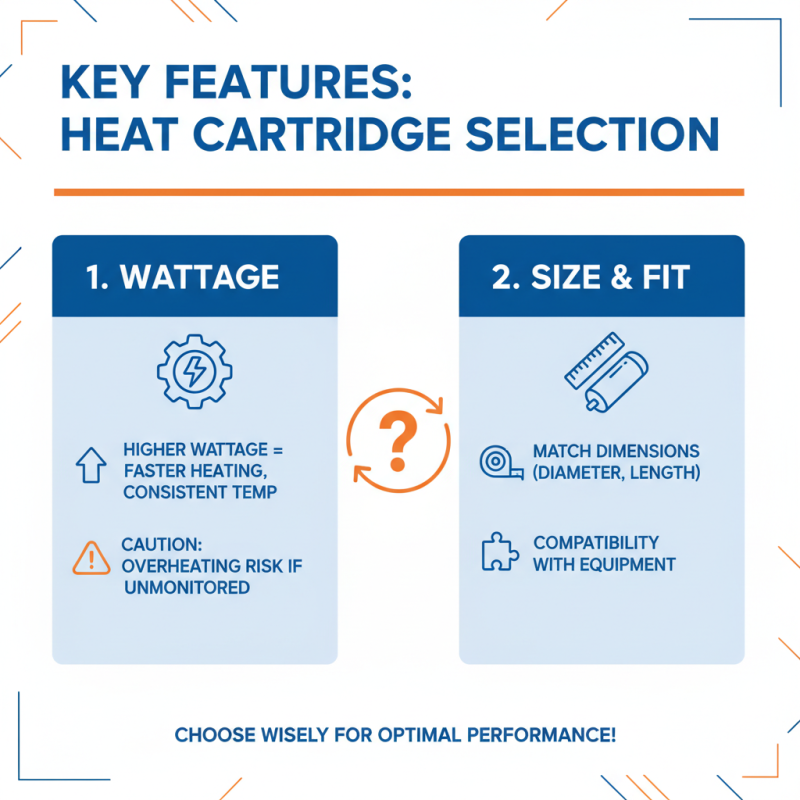
Choosing the right heat cartridge is crucial for optimal performance. Compatibility with your equipment is key. Heat cartridges come in various sizes and specifications. Ensuring the correct fit can impact efficiency and ultimately affect your project outcomes.
According to industry data, mismatched components can lead to a significant drop in quality, with reports showing up to a 30% decrease in performance.
When selecting a cartridge, consider the type of equipment you use. Different systems require specific dimensions and wattage ratings. It's also vital to check the threading and connectors, as these components must align perfectly. A misalignment might lead not only to inefficiencies but could also result in equipment damage.
Tips: Measure twice, buy once. Always refer to your equipment manual before making a purchase. If you’re unsure, consult with professionals for advice. Keep in mind that even small discrepancies can lead to larger issues later on. Regularly assess your usage to ensure the right cartridges are in use. Being proactive can save you time and money in the long run.
Maintenance and Performance: Prolonging the Life of Your Heat Cartridge
Maintaining a heat cartridge requires understanding its unique demands. Regular cleaning can enhance performance.
Dust and debris buildup can cause overheating. Research indicates that
80% of heat cartridge failures stem from lack of maintenance. Simple routine
checks can extend its life.
Temperature control is critical. Overheating can shorten the lifespan dramatically. Studies show that a heat cartridge operating
consistently above its recommended temperature may fail within months. Monitoring temperatures with reliable thermometers
helps prevent damage. Calibration of temperature settings is vital for optimal usage.
While selecting a heat cartridge, consider the environmental factors
affecting performance. Humidity and ambient temperature can influence outcomes. Regular inspections can identify signs of wear.
Simple adjustments can make a difference in efficiency. Proper installation also plays a role. Avoiding common installation
mistakes can save time and resources. Balancing all these factors ensures a longer-lasting, high-performing heat cartridge.