In the energy sector, optimizing the "Pipeline Inlet" is crucial for improving efficiency in sourcing. Industry expert Dr. Emma Lawson, a leading figure in pipeline engineering, states, "A well-designed inlet can drastically reduce operational costs." Her insights shed light on the significance of proper inlet design.
Efficient sourcing depends on how we manage our pipeline systems. Every component matters, especially the inlet. It serves as the first point of entry into the pipeline, impacting flow rates and pressure. An effective inlet optimizes the overall performance. Companies often overlook simple changes that could yield substantial improvements.
Challenges exist in balancing cost and efficiency. Some designs work well on paper but fall short in real-world applications. Continuous feedback and data analysis can help refine these systems. It's essential to avoid complacency. The journey toward an optimized Pipeline Inlet requires reflection and adaptation. Understanding the nuances can lead to breakthrough solutions.

Pipeline inlets play a crucial role in the efficiency of sourcing operations. They are the gateways through which resources flow into a system. Designing effective inlets can drastically improve the overall sourcing process. A well-optimized inlet ensures a smooth transition of materials, reducing bottlenecks and delays. This results in faster turnaround times and increased productivity. However, many overlook the potential issues with pipeline inlets, which can lead to inefficiencies.
Understanding the nuances of pipeline inlets is essential. Factors such as size, shape, and location significantly impact flow rates. The right design can minimize turbulence and maximize resource intake. Yet, even small miscalculations can lead to unwanted pressure drops or flow restrictions. It's vital to assess and reassess inlet performance regularly. Adjusting parameters based on real-time data can help identify weaknesses in the system. A proactive approach fosters a culture of continuous improvement.
Lastly, collaboration with experts can enhance understanding of inlet dynamics. Engaging with professionals in the field can yield insights that may not be immediately apparent. The goal should always be to refine the design for optimal efficiency. Yet, one must remain vigilant. Frequent evaluations and an openness to feedback are necessary for growth in sourcing efficiency.
| Pipeline Inlet Type | Efficiency Rating (%) | Common Applications | Recommended Maintenance Frequency |
|---|---|---|---|
| Standard Inlet | 85 | Transmission Systems | Quarterly |
| Enhanced Inlet | 92 | High-Volume Pipelines | Bi-Annual |
| Custom Inlet | 78 | Specialized Transport | Monthly |
| Universal Inlet | 90 | Multi-Use Fittings | Annual |
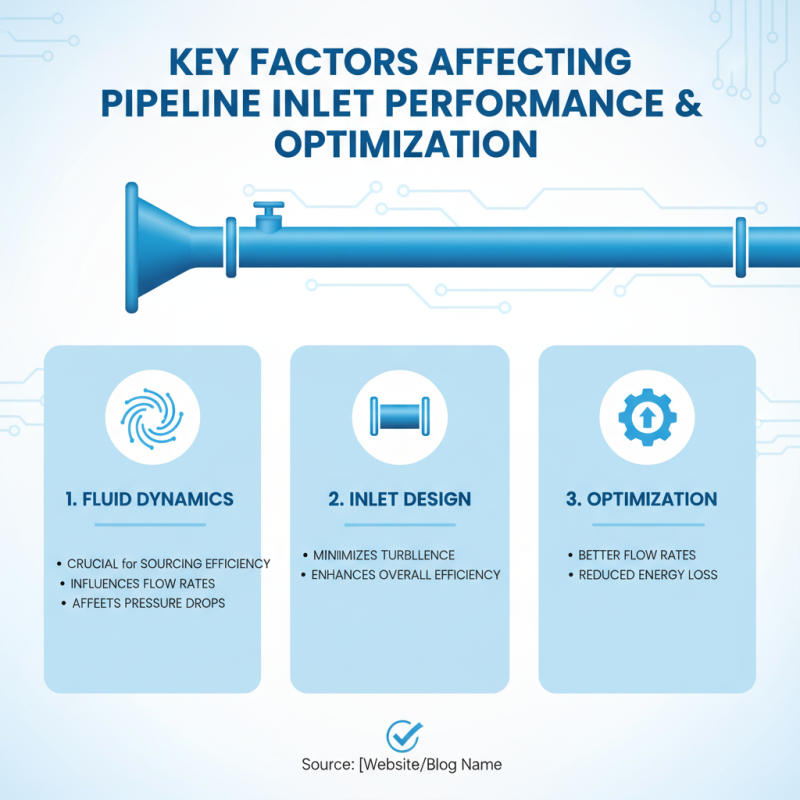
The performance of a pipeline inlet is crucial for sourcing efficiency. Key factors play a significant role in optimizing this component. Understanding fluid dynamics is essential; it influences flow rates and pressure drops. A well-designed inlet can minimize turbulence, enhancing overall efficiency.
Another factor is the inlet size. Too small an inlet can cause bottlenecks, leading to inefficiencies. Conversely, an oversized inlet might increase costs unnecessarily. Conducting regular assessments of inlet configurations is important. These evaluations help identify potential issues that could arise over time.
Maintenance practices also affect pipeline inlet performance. Regular inspections ensure that debris and blockages are addressed promptly. This proactive approach reduces downtime and operational costs. Efficiency can suffer from neglecting minor issues. The goal should always be a balanced approach to design, size, and maintenance.
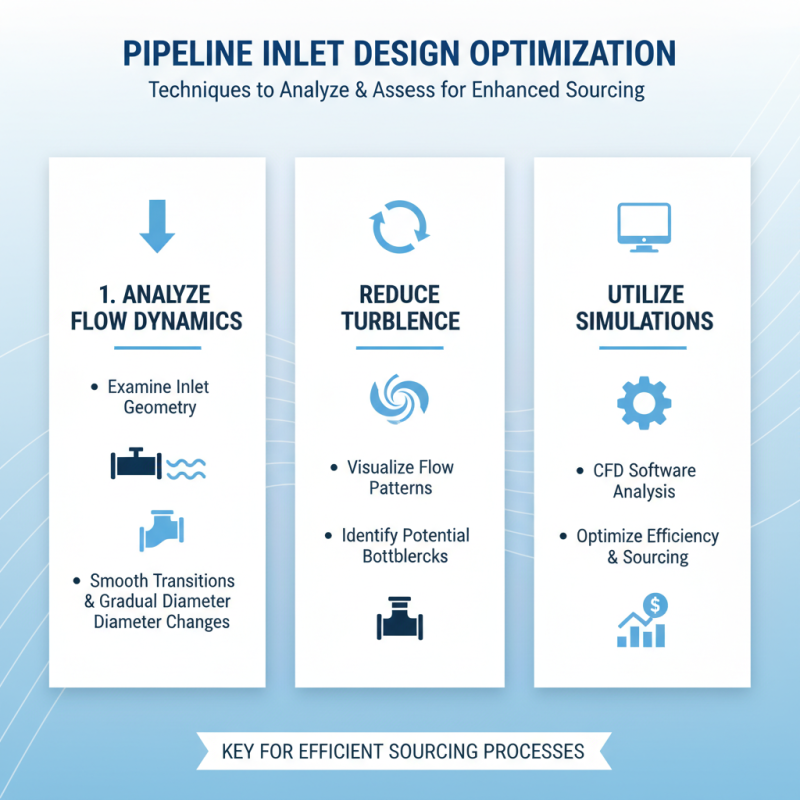
Efficiently optimizing the pipeline inlet design is crucial for enhancing sourcing processes. To achieve this, a detailed analysis of flow dynamics is necessary. Start by examining the inlet geometry. Smooth transitions and gradual changes in diameter can reduce turbulence. Conducting simulations can help visualize flow patterns and identify potential bottlenecks.
**Tips:** Focus on precise measurements. Even small variations can significantly affect performance. Regular checks on inlet conditions provide insights into wear and tear.
Using computational fluid dynamics (CFD) tools enables a deeper assessment. These tools offer valuable data on pressure drops and flow velocity. The insights gained help in making informed adjustments. Documenting previous designs aids in identifying recurring issues. This can streamline design iterations.
**Tips:** Pay attention to environmental factors. External elements, like temperature and pressure variations, can impact inlet performance. Observing these factors may lead to unexpected improvements.
Incorporating feedback from field operations is essential. Operators often notice issues overlooked in simulations. Their practical insights can drive meaningful changes in design. Balancing theoretical models with on-ground realities is key for effective sourcing.
Optimizing pipeline inlets is crucial for efficient fluid transportation. One key to enhancing fluid dynamics is the design of the inlet structure. A well-designed inlet can minimize turbulence and reduce pressure losses. Avoid sharp bends and abrupt expansions; these factors can significantly impair flow efficiency. Instead, consider gradual transitions that promote smoother flow profiles.
Regular maintenance of the pipeline is equally important. Ensure that inlets are free of debris and blockages. Sediment can accumulate, leading to turbulence. Implement inspection routines using advanced technologies, like drones or sonar. These practices enhance reliability and reduce downtime.
Furthermore, monitor flow rates and pressure regularly. Anomalies may indicate underlying issues in the system. Fostering a culture of continuous improvement can lead to better inlet design and function. While best practices exist, constant reflection on existing methods can uncover areas for enhancement. It's vital to stay adaptable as technologies and challenges evolve.
Successful pipeline inlet optimization case studies can provide valuable insights. One notable example involved a mid-sized company facing supply inconsistencies. The team gathered data on flow rates and pressure drops. They identified bottlenecks caused by improper inlet designs. Modifications were made by adjusting the pipe diameter and angle. This led to a significant improvement in sourcing efficiency.
Another case study highlighted a collaboration between engineers and data analysts. They employed advanced modeling techniques to predict flow behavior. Through simulation, they pinpointed critical design flaws. Implementing their findings resulted in a 30% increase in throughput. Such teamwork underscores the importance of interdisciplinary approaches in pipeline optimization.
These examples reflect common challenges. Not every optimization attempt yields immediate results. Continuous monitoring is essential, as pipeline conditions can evolve. Understanding that setbacks may occur allows teams to refine their strategies. Embracing a culture of constant improvement is crucial in the quest for efficiency.