Top Hot Oil Heater Solutions for 2026 Buyers Questions?
As the demand for efficient heating solutions continues to rise, buyers in 2026 face many choices. The Hot Oil Heater is a popular option in various industries, known for its reliability and efficiency. However, not every model is suitable for every application. Buyers must navigate technical specifications, operating costs, and maintenance requirements.
Selecting the right Hot Oil Heater involves understanding your specific needs. Each unit has unique features, which can affect performance. Industry experts recommend considering both the initial investment and long-term operational costs. It’s vital to evaluate how often the heater will be in use and the types of materials it will handle.
In this evolving market, aligning with trusted manufacturers is crucial. Many brands claim effectiveness, but not all deliver quality. Don’t overlook reviews and case studies. They can provide insight into real-world performance. Be aware that what works for one situation may not work for another. Each step in your purchasing process should reflect careful thought and consideration.

Overview of Hot Oil Heaters and Their Applications
Hot oil heaters are essential components in various industrial applications. They provide effective temperature control, crucial for processes like chemical production and food processing. According to a recent industry report, over 30% of thermal energy applications now utilize hot oil heating systems, reflecting their increasing popularity.
These systems often rely on specialized heat transfer oils. They operate efficiently at high temperatures, usually exceeding 300°C. However, their efficiency can vary significantly based on design and operational practices. Mismanagement may lead to reduced performance or even safety risks, highlighting the need for ongoing monitoring and regular maintenance.
In industries such as plastics and rubber manufacturing, hot oil heaters have become indispensable. The ability to maintain precise temperatures helps enhance product quality. Interestingly, about 45% of companies report issues with heat transfer fluid degradation over time. This suggests that choosing the right oil and understanding its lifespan is critical for efficiency.
Key Factors to Consider When Choosing a Hot Oil Heater
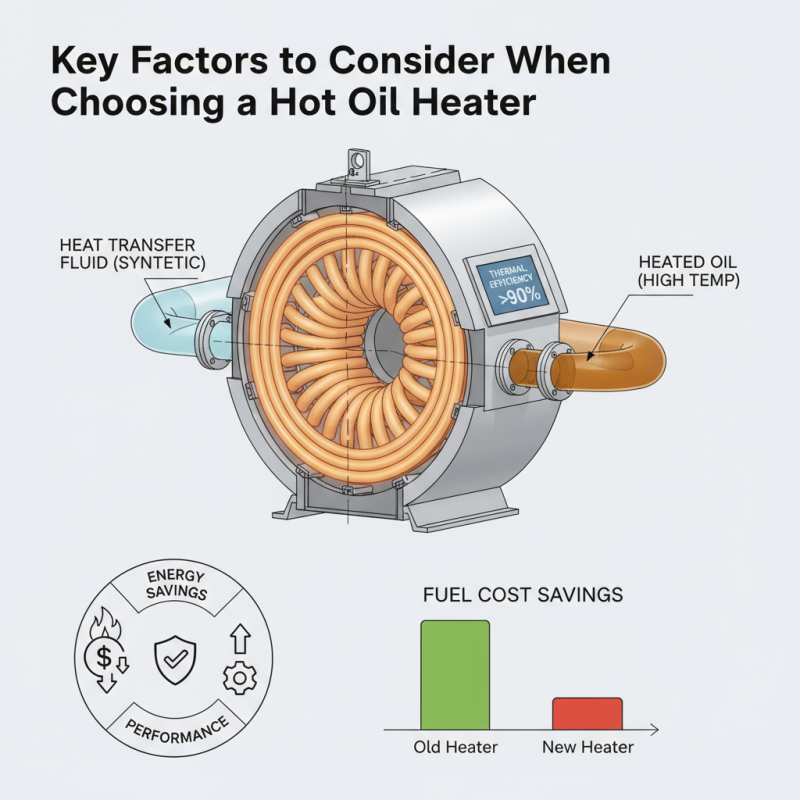
When selecting a hot oil heater, several key factors warrant careful consideration. Efficiency is paramount. A heater's thermal efficiency directly impacts operational costs. Industry studies show that heaters with efficiencies above 90% can reduce energy costs significantly. Buyers should examine the heat transfer fluids used, as they can affect safety, performance, and costs.
Safety features play a critical role in the decision-making process. High temperatures and pressures can pose risks. Data indicates that units with robust safety mechanisms have lower incident rates. Regular maintenance requirements also matter. Some systems demand extensive upkeep, leading to increased downtime and costs.
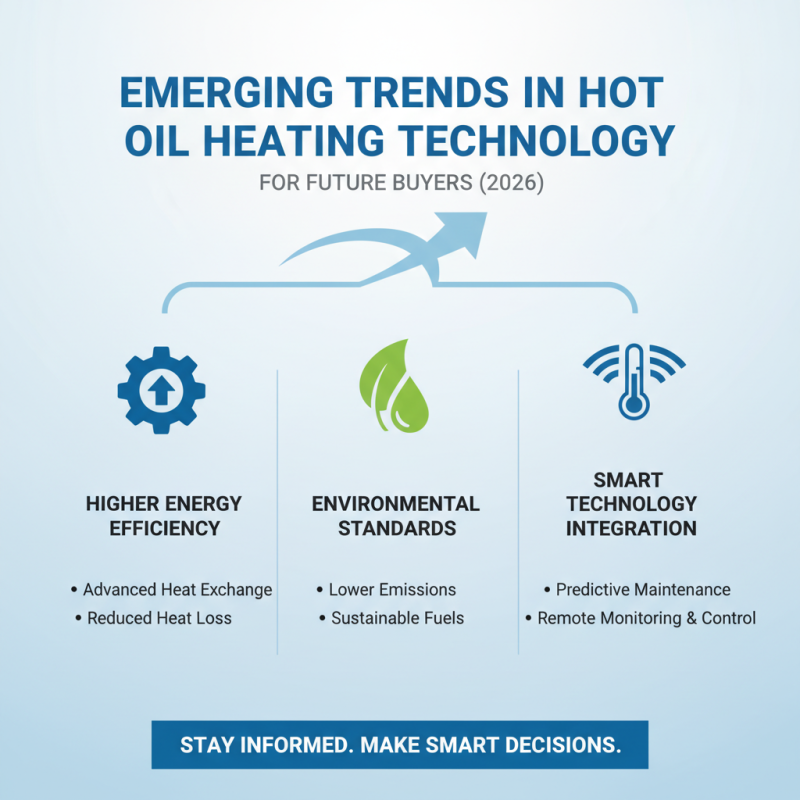
Buyers should consider the manufacturer's reputation and service support. A recent report shows that 70% of users experience issues due to inadequate support. Having a reliable partner can be crucial for long-term performance. Additionally, environmental impact is an essential consideration. Energy-efficient heaters generally have lower emissions, aligning with new regulations. Understanding these factors can aid buyers in making informed decisions for 2026 and beyond.
Top Brands and Models of Hot Oil Heaters for 2026
When exploring hot oil heaters for 2026, knowing the top brands and models is essential. Many manufacturers are stepping up their game, focusing on efficiency and reliability. A versatile model often features advanced insulation and fast heat-up times. This ensures lower energy consumption while maintaining peak performance. Added customization options can adapt to various industrial applications.
Buyers should consider heater design and maintenance ease. Models with user-friendly controls and accessibility for servicing stand out. Some designs may offer programmable features to enhance efficiency further. However, not all options on the market deliver equal performance. It's crucial to evaluate specifications closely. Some heaters may struggle with high-pressure conditions or extreme temperatures.
Reliability is key in choosing a hot oil heater. Rising competition among brands pushes innovation but can create confusion. Do thorough research before making a decision. Look for reviews and user experiences that highlight both successes and challenges. The right hot oil heater should not only meet current needs but also adapt to future demands.
Maintenance and Safety Tips for Hot Oil Heater Systems
Maintaining hot oil heater systems requires attention to detail. Regular inspections are crucial for identifying potential issues early on. Ensure that all connections are secure and free from leaks. Pay close attention to the oil quality, as contaminants can affect performance. It is essential to change the oil regularly to prevent degradation.
Safety is paramount when working with hot oil heaters. Always use protective gear when handling equipment. Be aware of the system’s temperature limits. Overheating can lead to severe accidents. Implement a strict monitoring system to track operational parameters. This allows for timely interventions when something goes wrong.
Here are some tips for effective maintenance:
- Schedule yearly professional inspections.
- Keep a log of all repairs and maintenance.
- Train staff thoroughly on operating procedures.
Regular training can help staff recognize warning signs. An informed team can prevent mishaps and ensure a safer working environment.