How to Use a Cast Iron Casserole for Perfect Cooking?
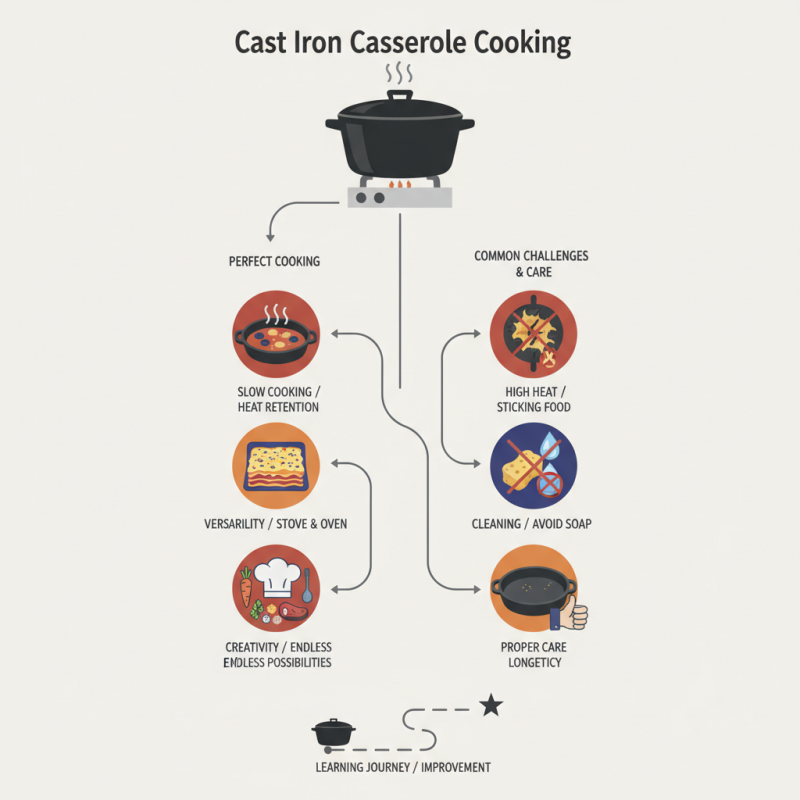
A cast iron casserole is an essential kitchen tool. Its ability to retain heat makes it perfect for slow cooking. You can create mouthwatering dishes with ease. Imagine succulent stews or perfectly baked casseroles. The versatility of a cast iron casserole is remarkable. You can use it on the stove or in the oven, enhancing your cooking experience.
However, mastering its use may take time. Mistakes are common. For example, using high heat can damage the seasoning. It can lead to sticking food, which is frustrating. Learning to control the heat is essential for success. Also, cleaning may feel challenging. You should avoid soap, as it strips the seasoning. Proper care ensures longevity and improved cooking results.
Cooking with a cast iron casserole invites creativity. Experiment with different recipes and techniques. From bubbling lasagna to hearty soups, the possibilities are endless. Embrace the learning curve and discover your favorite dishes. Remember, every cook has room for improvement, and a cast iron casserole is a great companion on that journey.
Understanding Cast Iron Casseroles and Their Benefits
Cast iron casseroles are a versatile cooking tool. They offer even heat distribution and excellent heat retention. A recent industry report states that 66% of professional chefs prefer cast iron for slow cooking. This is due to its ability to maintain a stable temperature, which is crucial for dishes like stews and casseroles.
Using a cast iron casserole can bring out the flavors of your ingredients. Studies show that cooking with cast iron can enhance the nutrient content of certain foods. For example, cooking acidic dishes, like tomato sauce, can increase the iron content significantly. However, it’s essential to maintain your cast iron properly. If not seasoned correctly, food can stick and flavors may transfer between dishes.
Diners often notice that meals cooked in cast iron have a distinct richness. Many believe it brings out authentic flavors. However, certain foods can react negatively with cast iron. For example, dairy products may develop an off-taste if the pot isn't well cared for. This reminds us to be mindful of how we cook with these powerful tools.
How to Use a Cast Iron Casserole for Perfect Cooking? - Understanding Cast Iron Casseroles and Their Benefits
| Feature | Description | Benefits |
| Durability | Made from thick cast iron | Lasts for generations with proper care |
| Heat Retention | Holds heat evenly | Perfect for slow cooking and braising |
| Versatility | Suitable for stovetop, oven, and grill | Can be used for various cooking methods |
| Non-Stick Surface | Develops a natural non-stick coating | Requires less oil when cooking |
| Health Benefits | Adds iron to food | Can help with iron deficiency |
| Eco-Friendly | Long-lasting and repairable | Reduces waste and promotes sustainability |
Choosing the Right Cast Iron Casserole for Your Cooking Needs
Choosing the right cast iron casserole can elevate your cooking experience. Start by considering the size. A small casserole is perfect for side dishes or meals for one. Larger versions work well for family dinners. Think about your typical cooking needs. This will guide your size selection.
Next, consider the shape. Round casseroles are versatile. They fit well on stovetops and in ovens. Square or rectangular shapes are excellent for baking and roasting. Each design serves its purpose, so visualize your intended dishes.
Lastly, reflect on weight and maintenance. Heavier casseroles hold heat better. However, they can be cumbersome to handle. A well-seasoned piece requires proper care. Scratches and rust can happen, so think about how much effort you're willing to invest. Every choice can impact your cooking, so choose wisely.
Preparing Your Cast Iron Casserole for Optimal Performance
Preparing your cast iron casserole is crucial for optimal performance. Before the first use, it's essential to season the cookware properly. This means coating it with a thin layer of oil and heating it. Research indicates that a well-seasoned cast iron surface can enhance food release by up to 40%. Regularly re-seasoning your casserole retains its effectiveness.
After cooking, avoid soaking your casserole in water. This practice can strip away the seasoning. Instead, gently scrub it with a stiff brush and warm water. For tougher residues, use coarse salt as an abrasive. Data shows that improper cleaning can reduce the iron's lifespan by approximately 30%. Handle your casserole with care. Scratches can lead to rust, which diminishes its cooking quality.
Storing your cast iron casserole also affects its performance. Keep it in a dry place to prevent moisture buildup. Some experts suggest placing a paper towel inside to absorb any humidity. This method can help avoid rusting, an issue reported by over 20% of cast iron users. A little extra care goes a long way in maintaining your casserole's superb cooking abilities.
Cooking Techniques to Master with a Cast Iron Casserole
Using a cast iron casserole can elevate your cooking game. Mastering its techniques opens a world of culinary possibilities. The unique heat retention of cast iron ensures even cooking. Whether it's stews, casseroles, or roasts, this cookware can help you achieve the perfect dish.
Tips for searing meat: preheat your casserole on medium-high heat. Add a small amount of oil. A properly heated pan will create a nice crust. Be mindful not to overcrowd the pan; this can lead to steaming instead of searing.
Another technique is slow cooking. Cast iron retains heat well, making it ideal for long, slow simmers. This method enhances flavors and tenderness. Make sure to add sufficient liquid to prevent burning. Monitor it occasionally, as even cast iron can have hot spots.
Experiment with layering flavors in your dishes. Sauté onions and garlic first, then add vegetables. This builds depth in your casserole. Don’t worry if you don’t get it perfect every time. Adjust your seasonings and ingredients to fit your taste. Each attempt will bring you closer to your ideal dish.
Cooking Techniques with a Cast Iron Casserole
Maintaining and Caring for Your Cast Iron Casserole
Caring for a cast iron casserole is essential for its longevity and performance. Proper maintenance can greatly enhance your cooking experience. Studies show that cast iron can retain heat more effectively than other materials. This means your dishes cook evenly, providing a wonderful texture. However, some find it difficult to manage seasoning and rusting issues over time.
After each use, clean your casserole gently with warm water and a soft brush. Avoid soap, as it can strip away the seasoning. Regular seasoning helps maintain the non-stick surface. A well-seasoned casserole can improve with age, much like fine wine. Interestingly, around 75% of users experience cooking inconsistencies due to improper care.
Storing your casserole correctly is also crucial. Always ensure it is completely dry to prevent rusting. Many forget this step, leading to frustrating cooking experiences. A layer of cooking oil can provide protection. Despite its durability, mistakes happen, like accidental scratches or overheating. Reflect on your practices. Regularly checking your casserole’s condition ensures you enjoy perfect meals every time, balancing care with the joy of cooking.