2026 Top Rubber Heaters for Global Buyers What to Know?
In the rapidly evolving landscape of industrial applications, Rubber Heaters have become a crucial component. According to a recent market analysis from Grand View Research, the global rubber heating products market is expected to grow significantly, driven by increasing demand in various sectors. These heaters offer efficient heat transfer, which is vital for processes in manufacturing and other applications.
Rubber heaters are known for their flexibility and durability. They can be used in diverse environments, from harsh industrial settings to sensitive laboratory applications. Research by MarketsandMarkets indicates that the adoption of advanced materials in manufacturing will further enhance product reliability and performance.
However, not all rubber heaters are created equal. Variations in material quality and manufacturing processes can lead to discrepancies in efficiency. Buyers must consider specifications carefully to avoid subpar products that might not meet their operational needs. Understanding these factors will ensure a well-informed purchase decision in a competitive market.
Understanding Rubber Heaters: Types and Applications in 2026
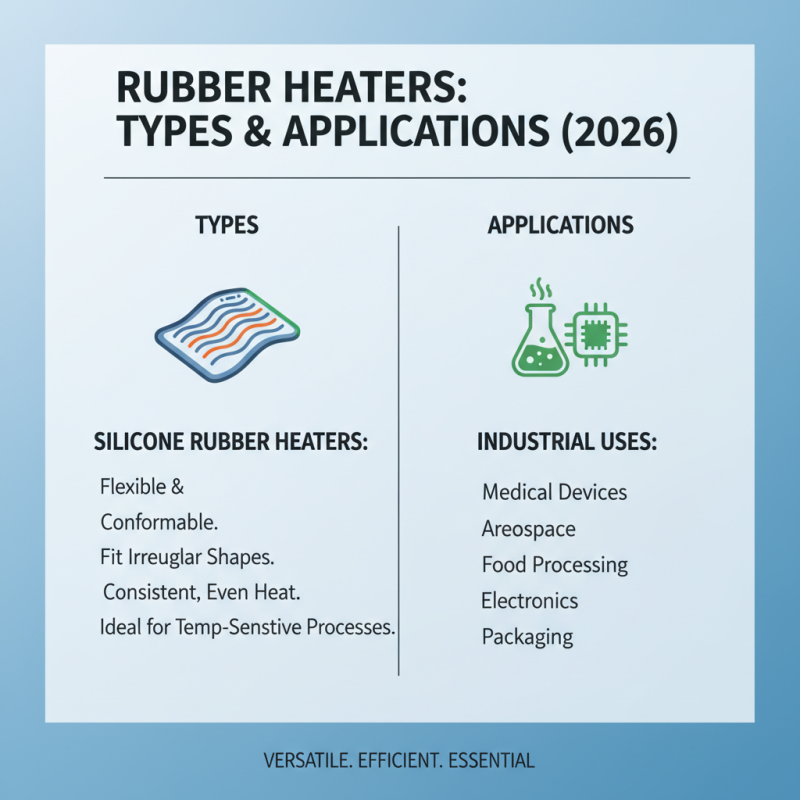
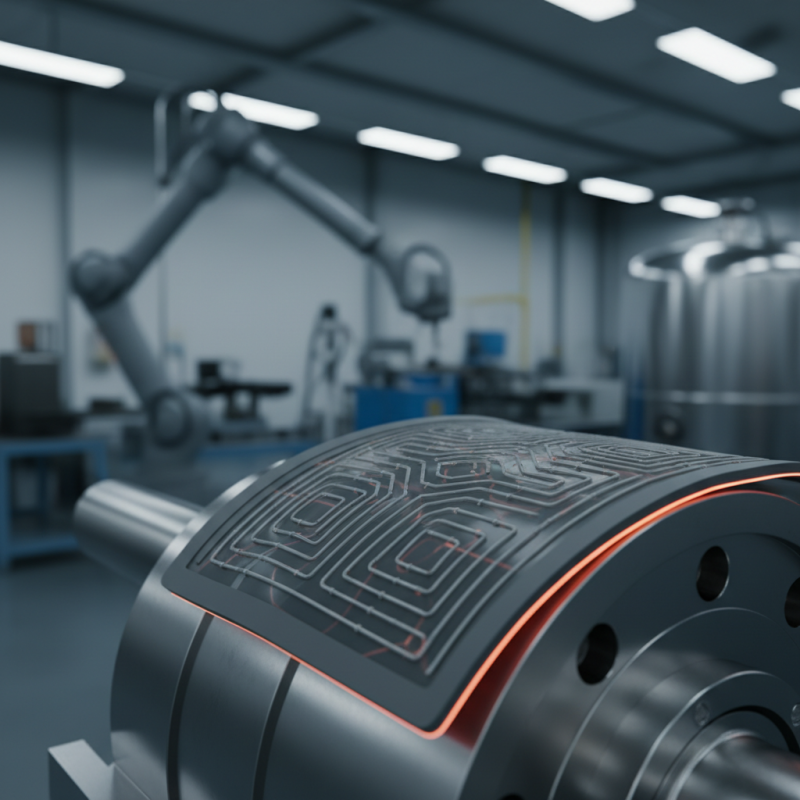
Rubber heaters are essential in various industries, offering versatility and efficiency. These heaters come in different types, each serving unique applications. Common types include silicone rubber heaters, which are flexible and can fit irregular shapes. They provide consistent heating, making them ideal for temperature-sensitive processes.
In 2026, users must consider the application requirements when selecting a rubber heater. Factors such as size, power output, and temperature range are critical. Many industries, from manufacturing to medical, rely on these heaters for consistent results. However, not every heater will meet specific needs. Users must understand the limitations of each type.
Choosing the right rubber heater can be challenging. Some heaters may not perform well in extreme conditions. This may lead to unexpected downtime or equipment failure. Testing and research can help in making informed decisions. A wrong choice can result in wasted resources and time. In this evolving market, keeping up with the latest advancements is crucial for effective heating solutions.
Key Features to Consider When Selecting Rubber Heaters
When selecting rubber heaters, understanding key features is crucial. Temperature control is a primary factor. Many rubber heaters offer precise temperature regulation, often within ±1°C. This accuracy ensures that applications requiring consistent heat, like industrial processes, function effectively.
Another essential feature is the material quality. High-grade silicone rubber is common. This type is resistant to extreme temperatures and environmental factors. Reports indicate that silicone rubber heaters can operate effectively in temperatures ranging from -60°C to 200°C. The durability of the materials directly impacts the heater's longevity and performance.
Field ratings also play a role. Rubber heaters need to be rated for different environments. Some are designed for indoor use, while others can withstand harsh outdoor conditions. Unfortunately, a common oversight is not considering this aspect during selection. Professionals sometimes assume all heaters perform similarly, which can lead to operational failures. Understanding these nuances is vital for selecting the right product for specific applications.
2026 Top Rubber Heaters for Global Buyers What to Know? - Key Features to Consider When Selecting Rubber Heaters
| Model |
Power (W) |
Temperature Range (°C) |
Material |
Dimensions (mm) |
Weight (kg) |
Notes |
| Model A |
100 |
-20 to 60 |
Silicone Rubber |
300 x 200 |
1.2 |
Flexible and Lightweight |
| Model B |
150 |
0 to 70 |
EPDM Rubber |
400 x 250 |
1.5 |
High Durability |
| Model C |
200 |
-30 to 80 |
Natural Rubber |
500 x 300 |
2.0 |
Good Thermal Conductivity |
Top Manufacturers and Brands in the Global Rubber Heater Market
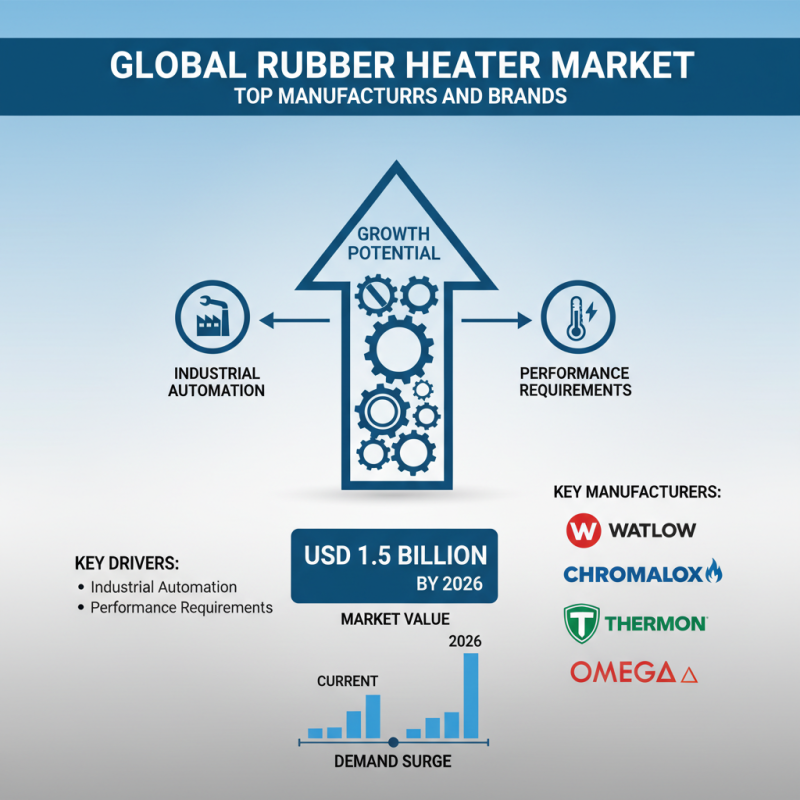
In the rapidly evolving global rubber heater market, understanding key manufacturers is crucial. The demand for rubber heaters has surged, primarily driven by industrial automation and performance requirements. According to recent reports, the global rubber heater market is expected to reach USD 1.5 billion by 2026, highlighting the industry's growth potential.
Top manufacturers in this space demonstrate diverse capabilities. Some focus on innovation, while others emphasize durability and efficiency. For instance, data shows that companies investing in advanced materials have reported up to a 25% increase in heating efficiency. However, the market also faces challenges. Many products struggle with consistency in quality, which can lead to performance gaps. Additionally, with environmental concerns rising, manufacturers are urged to adopt sustainable practices.
Maintaining an edge in this market requires continuous research and development. Market players must not only enhance existing products but also address the reliability of their heating solutions. This balance between innovation and quality control is vital. As the sector becomes more competitive, those focused on these elements will likely thrive in the coming years.
Market Trends and Innovations Shaping Rubber Heater Technology
The rubber heater market is evolving rapidly. Innovations in materials and design are leading the way. Manufacturers are focusing on efficiency and sustainability. This shift impacts various industries, from automotive to aerospace.
New trends include the development of more flexible heating elements. These options provide even heat distribution. They also minimize energy consumption. Some products are now designed to be more user-friendly, enhancing overall convenience.
Tips: Consider the heat capacity and the maximum temperature range of a rubber heater. This information is critical for selecting the right product. Look for options with improved thermal conductivity. It may save you time and energy in the long run.
Reflect on the materials used in rubber heaters. Not all materials are equally durable. Test different models in real-life conditions to identify weaknesses. This ensures you invest in the best technology for your needs.
2026 Rubber Heater Market Trends
Best Practices for Installation and Maintenance of Rubber Heaters
Installing and maintaining rubber heaters requires careful attention to detail. Proper installation ensures efficiency and longevity. Start by selecting a clean, dry surface for mounting the heater. Ensure that it is level and secure. Read the manufacturer's instructions carefully to avoid common mistakes.
When it comes to maintenance, regular checks are essential. Inspect the heater for any signs of wear or damage. Dust and debris can accumulate, affecting performance. A simple wipe with a damp cloth can help maintain cleanliness. Pay attention to the electrical connections. Ensure everything is tightly secured to prevent malfunctions.
Tips to remember: Always allow the heater to cool before cleaning. This prevents injuries and damage. Test the heater's temperature regularly to ensure it operates within a safe range. If you notice inconsistent heating, it might indicate an underlying issue needing attention.