How to Choose the Right Heater Element for Your Needs?
Choosing the right heater element can significantly impact your comfort and energy efficiency. A suitable heater element ensures optimal warmth while minimizing energy costs. Many factors influence this decision, including size, material, and wattage.
When selecting a heater element, consider your specific needs. Do you require quick heating for a small space or sustained warmth for larger areas? A ceramic heater element might be perfect for rapid warmth, while a metal one is ideal for prolonged use. Energy efficiency is crucial; some elements consume more power than necessary.
With numerous options on the market, it can be overwhelming. Evaluate your priorities, such as budget and energy consumption. Don’t rush the process. Take time to research, seeking advice where needed. Remember, the best heater element is the one that balances your requirements with efficiency.
Understanding Different Types of Heater Elements and Their Applications
When selecting a heater element, understanding the various types is crucial. The most common heater elements include ceramic, metal, and carbon. Each type has unique properties and applications. For instance, ceramic heater elements are often used in space heaters due to their efficiency and quick heating capabilities. Metal elements, like those found in toasters, provide rapid heat but may not retain warmth as well. Carbon elements offer a modern option, delivering even heat distribution without the bulk.
Tips: Consider your heating needs carefully. If you need quick warmth, ceramic might be the best choice. For consistent heating, metal could work well. Factor in your space's size, insulation quality, and intended use.
Some decisions might feel overwhelming. Not all heater elements suit every environment. For example, a ceramic heater might overheat in a small room. Understanding your specific requirements can help avoid costly mistakes. A short assessment of your space can make a difference in the long run. Prioritize safety and energy efficiency when choosing the right heater element for your needs.
Choosing the Right Heater Element for Your Needs
Evaluating Wattage Requirements for Efficient Heating Solutions
When evaluating wattage for heating solutions, it is essential to consider the specific needs of your space. The wattage determines how quickly and efficiently an area can warm up. According to the U.S. Department of Energy, a typical electric heater requires about 10 watts per square foot. For example, a room measuring 200 square feet needs approximately 2,000 watts for effective heating.
Not all heating elements are created equal. Different materials and designs affect energy consumption and output. Electric resistance heaters are often rated for higher wattages and can quickly heat a space. However, infrared heaters might require less wattage while providing targeted heat. Understanding the relationship between wattage and the type of heater is crucial for efficiency.
Tips: Always calculate the wattage based on room size and ceiling height. Use insulation to prevent heat loss. Consider investing in a programmable thermostat to optimize energy use. It's important to remember that higher wattage does not always mean better performance. Balancing wattage with heater type and room requirements can lead to a more satisfactory heating experience. Evaluating your needs thoroughly can highlight what might fall short in your heating plan. Reassessing your initial wattage estimates can lead to improvements in comfort and energy savings.
How to Choose the Right Heater Element for Your Needs? - Evaluating Wattage Requirements for Efficient Heating Solutions
| Heater Type |
Wattage (Watts) |
Area Coverage (sq ft) |
Energy Efficiency Rating |
Ideal Use |
| Infrared Heater |
1500 |
150 - 200 |
A |
Rooms with high ceilings |
| Convection Heater |
750 |
100 - 150 |
B |
Small to medium rooms |
| Oil-Filled Radiator |
1500 |
200 - 300 |
A+ |
Long-lasting heat in larger spaces |
| Ceramic Heater |
1500 |
150 - 200 |
A |
Home and office |
| Fan Heater |
1000 |
100 - 150 |
B |
Quick heating for small areas |
Assessing Heating Element Materials: Pros and Cons
Choosing the right heating element is crucial for efficiency and safety. The materials used in heating elements play a significant role in their performance. Common materials include nickel-chromium, kanthal, and silicon carbide. Each has its unique advantages and challenges.
Nickel-chromium alloys are popular due to their excellent heat resistance. They can withstand high temperatures, often exceeding 1000°C. However, they may corrode over time, which can lead to reduced efficiency. Kanthal is another option known for its longevity and stable resistance. Yet, its higher cost can be a drawback for budget-conscious projects. In contrast, silicon carbide elements offer rapid heating and high thermal conductivity, but they can be brittle and require careful handling.
Tips:
Consider the application environment. For high humidity or corrosive conditions, select materials that offer better corrosion resistance. Always review thermal expansion rates to avoid mechanical failures. Evaluate the initial investment against long-term benefits.
Determining Compatibility with Existing Systems and Installations
Choosing the right heater element involves careful consideration of compatibility with your existing systems. Every installation is unique. Misalignment can lead to inefficiencies or safety hazards. According to a report from the U.S. Department of Energy, approximately 30% of energy is wasted due to incompatible heating elements.
One must also take into account power requirements. An element that draws too much power may overwhelm your circuit. Conversely, an underpowered element might not provide the necessary heat. Research from the National Renewable Energy Laboratory suggests the optimal wattage per square foot for heating systems ranges from 10 to 15 watts. This ensures adequate heating without overloading your system.
Installation type is crucial as well. Some elements are designed for specific setups, like radiant or convection systems. Mismatched elements can impede performance. It’s essential to reference the specifications of your current system. Understanding these nuances can prevent costly mistakes. The complexity of heating technologies means that not all elements work universally. Make informed choices to enhance system efficiency.
Considering Energy Efficiency Ratings and Cost-effectiveness
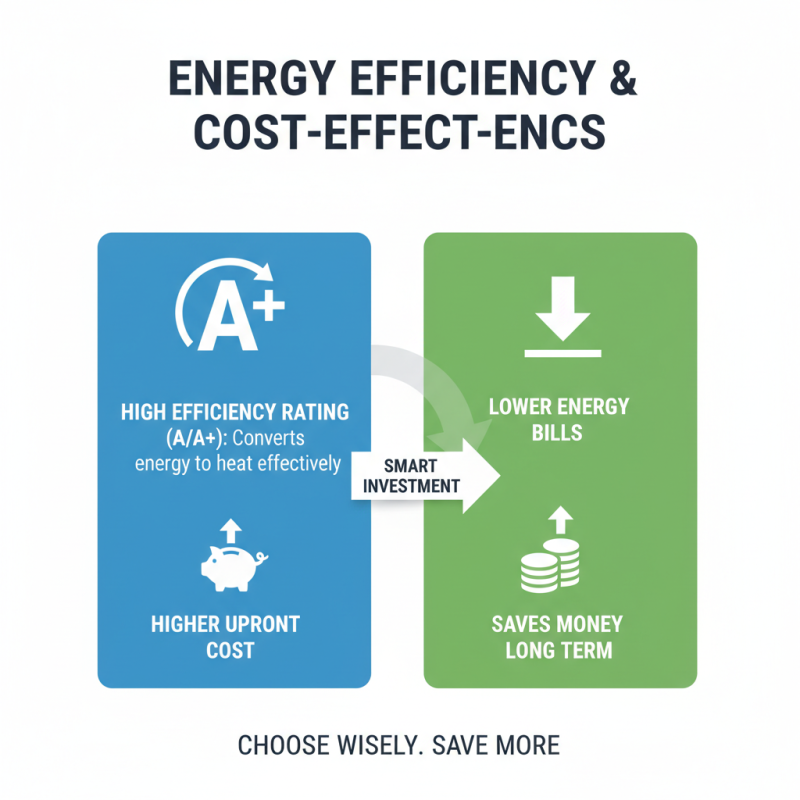
When choosing a heater element, energy efficiency ratings play a crucial role. Look for units with high efficiency ratings, such as those marked A or A+. These ratings indicate that the heater converts energy into heat effectively. A heater with a high rating may cost more upfront, but it can save money in the long run through lower energy bills.
Evaluate the cost-effectiveness of different heater types. Some may require higher initial investments but save more over time. Consider the energy source as well. Electric heaters may have lower installation costs, but their energy consumption can vary widely based on your location. Assess your average energy costs when making a decision.
It’s important to reflect on your specific heating needs. A larger space may require more powerful units. In contrast, smaller rooms may benefit from compact, efficient heaters. Balancing the initial cost and energy efficiency will guide you to the right choice. Be prepared to adjust your selection based on changing needs or energy prices.