2026 Best Heat Cartridge Options for Global Buyers?
As the global market for 3D printing continues to grow, the demand for high-quality Heat Cartridges has surged. Experts emphasize the importance of selecting the right cartridge for optimal performance. Dr. Lisa Tran, a leading specialist in additive manufacturing, states, “The right Heat Cartridge can significantly enhance your printing quality and efficiency.”
Choosing a Heat Cartridge is not merely about price; it's about reliability and compatibility. Buyers must consider various factors, such as temperature range and material suitability. With countless options available, making an informed decision can be challenging.
However, not every Heat Cartridge meets the expectations. Some may fall short in temperature control or durability. It’s crucial to remember that investing in a quality product can reduce long-term operational issues. Global buyers should be prepared to reflect on their choices, ensuring they select a cartridge that aligns with their specific printing needs.
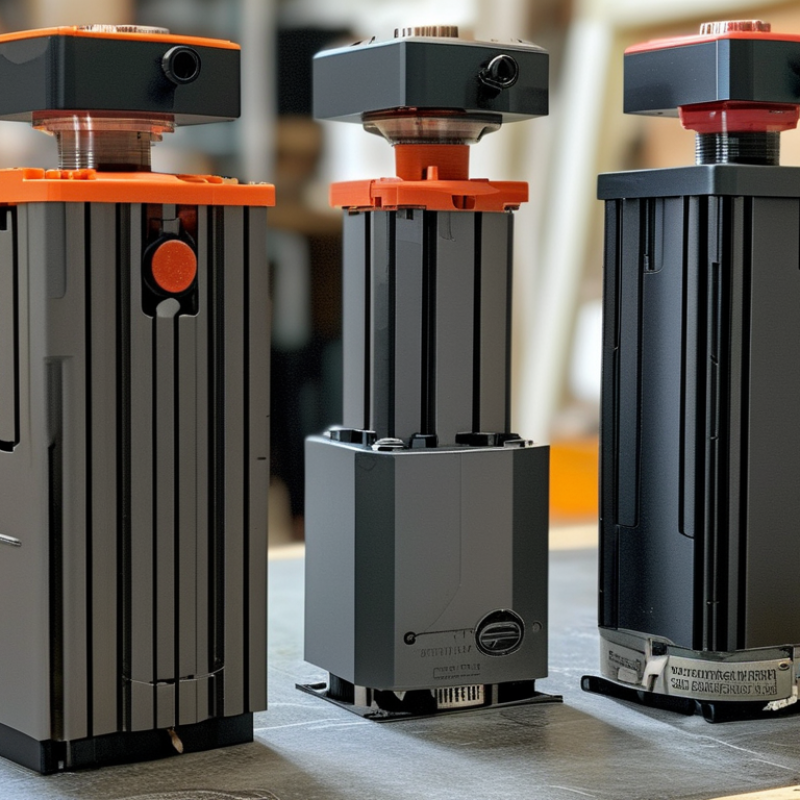
2026 Global Heat Cartridge Market Overview and Trends Analysis
The global heat cartridge market is evolving rapidly. Innovations are emerging to meet diverse consumer needs. As we approach 2026, buyers must understand current trends.
Customized solutions are gaining traction across multiple industries. This adaptability is essential for optimizing performance and user experience.
Pricing strategies are shifting too. Manufacturers are focusing on cost-effectiveness while maintaining quality. However, this presents challenges in ensuring reliability. Some products claim high performance but fail in real-world applications. Buyers must evaluate options carefully and rely on expert reviews.
Sustainability is another key trend. Eco-friendly materials are becoming popular. Many manufacturers are looking to reduce their carbon footprint. This is a step toward responsible consumption. Yet, the demand for faster production cycles complicates this goal. Balancing efficiency and sustainability remains a challenge. Buyers should stay informed about the growing landscape of heat cartridges.
Key Factors Driving Demand for Heat Cartridges in Various Industries
The demand for heat cartridges is growing across various industries. These devices play a crucial role in processes that require consistent heating. Industries like 3D printing, medical device manufacturing, and aerospace frequently utilize heat cartridges for their efficiency and versatility.
Key factors driving this demand include advancements in technology and materials. Modern heat cartridges provide precise temperature control. This accuracy is vital for maintaining product quality. Additionally, the increasing emphasis on energy efficiency shapes buyer preferences. Companies seek solutions that reduce energy consumption while enhancing performance.
Another aspect to consider is the challenge of selecting the right heat cartridge. With many options available, buyers often feel overwhelmed. It’s essential to evaluate specific application needs carefully. Not every cartridge will suit every application. Seeking expert advice can streamline the decision-making process, leading to improved outcomes.
Top Manufacturers of Heat Cartridges and Their Market Shares
The heat cartridge market is evolving rapidly. Many global manufacturers are stepping up to meet the increasing demand. This trend reveals a dynamic landscape, where companies are continuously innovating. Market shares indicate which manufacturers are leading. Understanding these trends helps buyers make informed decisions.
Among key players, some companies stand out due to their advanced technology. Others excel in creating affordable options. Each manufacturer has its strengths. This diversity can be overwhelming. Buyers often find themselves questioning which products are best suited for their needs. The preferences of consumers vary widely based on regional requirements and specific applications.
In this competitive climate, focusing on innovations is crucial. Some manufacturers implement eco-friendly solutions. Others prioritize energy efficiency or speed. There are still gaps in product accessibility. Some regions lack reliable supply chains. Potential buyers must be aware of these challenges. Balancing quality and performance with cost remains a significant concern.
2026 Best Heat Cartridge Options for Global Buyers
Technical Specifications and Performance Ratings for Leading Heat Cartridges
In the realm of heat cartridges, understanding technical specifications is crucial. A well-designed heat cartridge can significantly impact performance. A recent industry report showed that a 30% increase in thermal efficiency can be achieved with optimized materials. Users must pay attention to the materials used in construction, as they influence temperature stability.
Performance ratings often indicate longevity and reliability. Many cartridges boast a lifespan of over 1,000 hours under ideal conditions. However, the real-world usage can yield different results. A study highlighted that 15% of users reported faster degradation when subjected to high temperatures. This underscores the importance of testing in relevant scenarios rather than controlled environments alone.
Heat cartridges vary in wattage options. Higher wattage models can heat up faster but may lead to increased energy consumption. A balance between performance and sustainability is critical. Evaluating these factors requires expertise. Users should not just focus on specifications but also consider the application context. This reflection can prevent costly mistakes.
2026 Best Heat Cartridge Options for Global Buyers
| Model |
Power (W) |
Voltage (V) |
Temperature Range (°C) |
Material |
Performance Rating |
| Model A |
100 |
24 |
50 - 300 |
Stainless Steel |
4.5 |
| Model B |
200 |
22 |
100 - 500 |
Ceramic |
4.8 |
| Model C |
150 |
24 |
60 - 350 |
Copper |
4.2 |
| Model D |
250 |
30 |
70 - 600 |
Aluminum |
4.9 |
| Model E |
180 |
36 |
40 - 400 |
Titanium |
4.6 |
Sustainability Considerations in the Heat Cartridge Manufacturing Process
The shift towards sustainability in the heat cartridge manufacturing process is increasingly vital. Many manufacturers are examining their production methods. They seek to reduce waste and improve energy efficiency. Traditional manufacturing often leaves a substantial carbon footprint. In contrast, innovative approaches focus on using eco-friendly materials and renewable energy sources.
Besides material selection, recycling is a crucial factor. Many heat cartridges can be designed for easier disassembly. This allows for parts to be reused or recycled. However,
not all manufacturers adopt this practice. The industry still grapples with finding effective recycling solutions. Some companies express concern about the costs involved in adopting greener practices.
Furthermore, the supply chain must be evaluated. Transporting raw materials affects overall sustainability. Buyers are encouraged to choose local suppliers when possible. This reduces emissions and promotes local economies.
Ultimately, navigating sustainability in heat cartridge manufacturing is complex. The journey toward greener options requires ongoing effort and collaboration.
Progress may be slow, but every step counts.