When selecting a Bitumen Heater, depth of knowledge is crucial. Jonathon Smith, an industry expert, states, “A quality heater is key to efficient bitumen application.” His extensive experience in the field highlights the importance of making an informed choice.
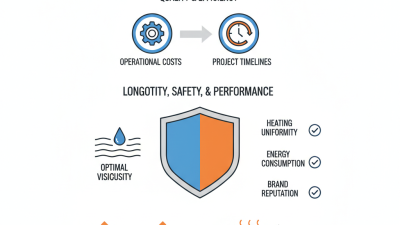
Bitumen Heaters come in various types and capacities, tailored for different projects. Consider the specific needs of your worksite. Factors such as temperature control and heating efficiency are vital. Ensure the heater can maintain the required temperature for optimal bitumen viscosity.
Quality matters when investing in a Bitumen Heater. Look for manufacturers with a strong reputation and proven track record. A seemingly minor oversight in selection can lead to inefficiencies and increased costs. Reflect on the long-term implications of your choice.
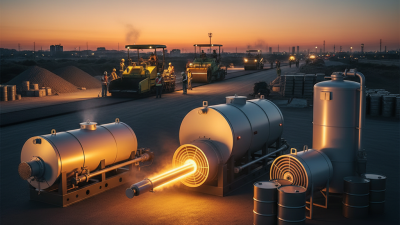
When choosing the right bitumen heater, understanding the different types available is key. Often, there are two primary categories: indirect and direct heating models. Indirect heaters use oil or hot air to heat the bitumen. They tend to offer precise temperature control, reducing the risk of overheating. However, their initial cost may be higher. Direct heaters, on the other hand, heat the bitumen directly using flames. They are typically more economical but can be less efficient in maintaining consistent temperatures.
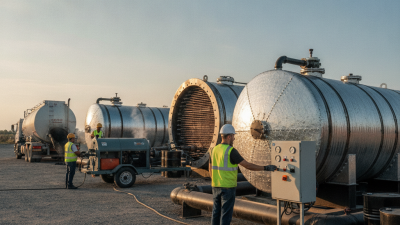
Another aspect to consider is the capacity of the heater. Different projects require varying amounts of bitumen. Small to medium projects might only need heaters with lower capacities. Larger projects will require more robust units. Each type has its pros and cons. Overheating can occur if not monitored. Sometimes, users may overlook the importance of maintenance. Regular checks can ensure longevity and performance. The choice of heater can significantly influence project quality.
Keep in mind the surrounding environment too. A heater suitable for outdoor applications might not be the best choice for enclosed spaces. Each setting has its unique challenges. Understanding these details helps in making an informed decision.
Choosing the right bitumen heater requires careful consideration of several factors. Understand your specific needs before making a decision. Assess the size of your projects and the amount of bitumen you will need to heat. Smaller jobs may require compact heaters, while larger operations demand more powerful models.
Another important factor is the heating efficiency. Look for heaters that provide even and consistent heat. This helps in maintaining the quality of the bitumen. Fuel source matters too; consider whether you prefer electric, diesel, or gas options. Each has its pros and cons, impacting both operational costs and convenience.
Durability is key as well. Bitumen heaters face harsh conditions on job sites. They should be built to withstand wear and tear. Regular maintenance can prolong their lifespan, but some models require more upkeep than others. Think about your commitment to maintenance. Will you have the time and resources to take care of it?
When it comes to selecting a bitumen heater, efficiency and performance are crucial. You need to consider several factors. The operating temperature range can significantly affect how quickly and evenly bitumen is heated. A precise temperature control feature ensures that the material maintains optimal consistency, essential for proper application.
Another aspect to assess is the energy source. Electric heaters may provide uniform heating, while fuel-powered models can offer faster heating times. However, fuel models may require more maintenance, which can impact performance. It's vital to evaluate the overall efficiency of the heater. Look for models with higher thermal efficiency ratings to save on energy costs.
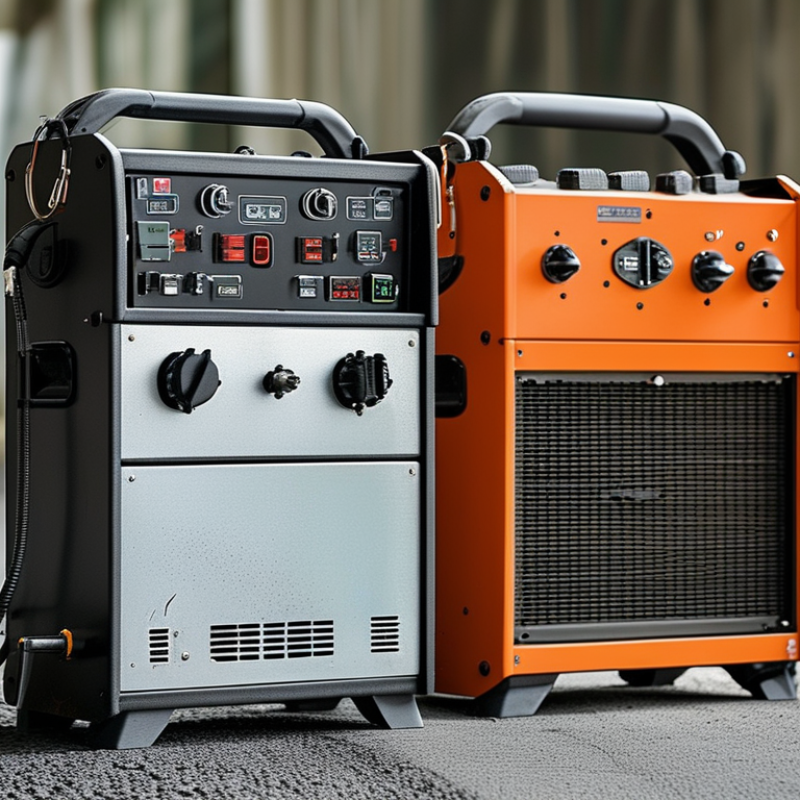
Also, think about the heater's mobility and design. Some units are compact and easy to transport. Others are bulkier but may offer higher capacity. Reflecting on these elements can help you make an informed choice that suits your specific needs. Remember that ignoring details like maintenance requirements can lead to performance issues in the long run.
When selecting a bitumen heater, safety should be a primary concern. According to the National Institute for Occupational Safety and Health (NIOSH), improper heating can lead to hazardous situations, including fires and burns. This places rigorous demands on the safety features of your equipment. Look for heaters equipped with over-temperature protection. This feature prevents overheating, which can be critical in preventing accidents.
Ventilation systems are also essential. Bitumen vapors can be volatile. An effective ventilation system ensures safe dispersal of gases. A recent survey found that 30% of accidents in the industry stem from poor ventilation practices.
Mobility and stability in design also matter. A heater positioned on a solid, flat surface reduces the risk of tipping. Many units now include locking wheels or stabilizers. These features enhance operational safety. Remember, safety compliance should align with industry standards. Always refer to the equipment’s safety data sheets. Understanding these aspects not only protects workers but also communicates a commitment to safety in business operations.
When budgeting for bitumen heating needs, understanding the initial purchase and ongoing maintenance costs is crucial. Industry reports indicate that operational expenses for bitumen heaters can account for about 30% of total project costs. This percentage can fluctuate based on usage patterns and the efficiency of the heating equipment. It's essential to factor in annual servicing, which can average around $1,500, impacting your budget significantly.
Tips for reducing operational costs include regular maintenance checks. Keeping your equipment in good condition can prevent costly repairs later. Additionally, investing in higher efficiency models can lower fuel expenses. Some reports suggest that better insulation in your heating system can reduce energy consumption by up to 20%.
Another factor is unexpected maintenance costs. Budgeting for potential repairs is wise, as breakdowns can halt projects. Having a contingency fund, around 10% of your total equipment cost, can provide a buffer. Without proper planning, these unexpected costs can strain your finances. Reflect on your past experiences and adjust your budget to accommodate potential fluctuations in maintenance.