Why Choose Hot Oil Boiler for Your Industrial Heating Needs?
In the realm of industrial heating, the demand for efficient and reliable solutions is paramount. The Hot Oil Boiler stands out as a preferred choice among many industries, thanks to its ability to provide stable temperature control. According to a 2022 report by the Industrial Heating Association, 73% of companies utilizing hot oil systems reported improved energy efficiency and reduced operational costs.
Industry expert Dr. James Barry, a leading authority in thermal energy systems, emphasizes the benefits of Hot Oil Boilers. He states, "These systems deliver high-temperature heat transfer at lower pressure, which can enhance safety and efficiency.” This innovation is particularly crucial in sectors like food processing and chemical manufacturing, where precise temperature regulation is essential.
While the advantages of Hot Oil Boilers are undeniable, it’s important to consider potential drawbacks. Initial installation costs can be high. Moreover, maintenance requires skilled professionals, which adds to long-term expenses. However, the commitment to upgrading heating processes can lead to significant long-term savings and environmental benefits. Balancing these factors is vital for industries making heating technology choices.
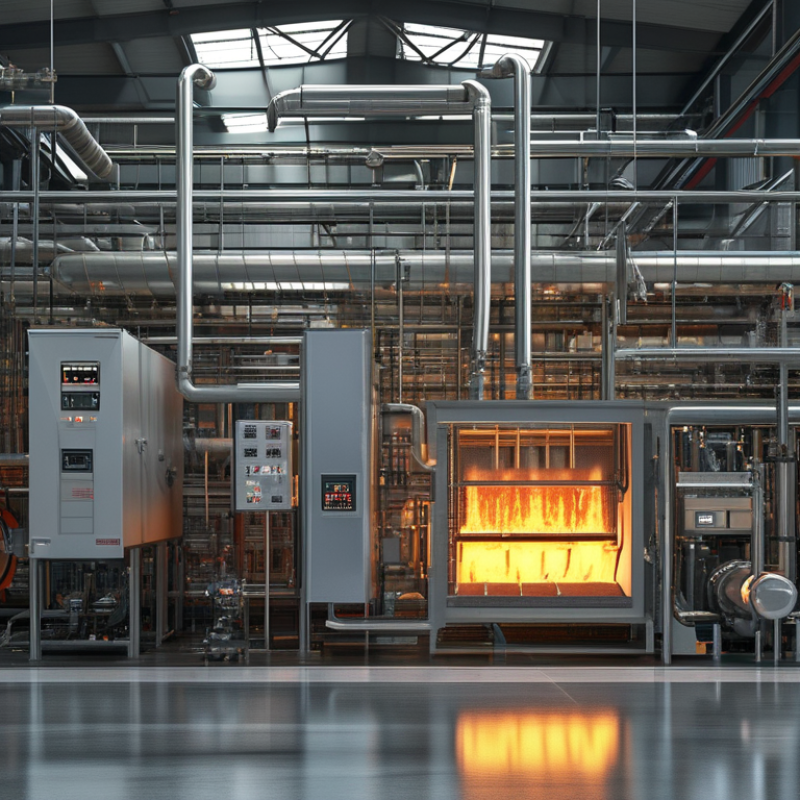
Benefits of Hot Oil Boilers in Industrial Settings
Hot oil boilers are increasingly favored in industrial heating. They offer distinct advantages compared to conventional steam boilers. One significant benefit is the ability to reach higher temperatures while maintaining lower pressures. This feature enhances the efficiency of processes, especially in sectors like chemical manufacturing.
Hot oil systems are also known for their reliability. They operate in a closed-loop, reducing the risk of leaks and minimizing maintenance needs. This aspect can lead to lower operating costs over time. Companies appreciate that these systems provide consistent heat distribution. This results in better overall product quality during production.
Tips for maximizing the efficiency of hot oil boilers include regular maintenance checks. Ensuring that the heating elements are clean can optimize performance. Also, monitoring fluid levels is critical. Low levels can lead to overheating and damage.
Another important aspect is proper insulation. Good insulation of pipes and tanks can significantly reduce energy losses. This not only improves efficiency but can also extend the lifespan of the boiler. While hot oil boilers are robust, reflecting on operational setups is crucial for continuous improvement.
Mechanism of Hot Oil Heating Systems Explained
Hot oil heating systems are essential in many industries. These systems offer efficient heat transfer and precise temperature control. A hot oil boiler uses thermal fluids, which can reach higher temperatures than water. This feature makes them ideal for processes needing consistent heat.
The mechanism of hot oil heating relies on a closed-loop system. Heating oil circulates through the boiler, absorbing heat from burners or electric elements. The heated oil then travels through pipes to process equipment. This design minimizes heat loss and ensures a quick response time. It also increases the safety of operations, reducing the risk of steam explosions.
However, not all installations are without challenges. Maintaining proper oil viscosity is crucial to ensuring efficient heat transfer. Over time, oil can degrade due to heat or contamination. Regular monitoring and maintenance are necessary to prevent problems. Proper training for operators is vital to handle these systems safely and effectively.
Energy Efficiency Comparison of Heating Systems
This bar chart compares the energy efficiency of various heating systems used in industrial applications. The hot oil boiler stands out with the highest efficiency rating of 90%, making it a preferred choice for optimized heating needs.
Comparative Analysis: Hot Oil Boilers vs. Traditional Heating Methods
When considering heating methods for industrial applications, hot oil boilers stand out. They provide efficient thermal energy transfer for various industrial processes. According to a recent study by the National Renewable Energy Laboratory, hot oil systems can operate at higher temperatures compared to steam systems. This allows plants to run at optimal efficiency, saving energy. Hot oil can reach temperatures up to 750°F, whereas traditional steam systems typically max out at around 450°F.
Moreover, safety is a critical factor to consider. Traditional boilers often operate under high pressure, which can lead to hazardous situations. In contrast, hot oil boilers function at lower pressures. This reduces the risk of explosions and makes maintenance easier. Data from the American Society of Mechanical Engineers indicates that hot oil systems have 30% fewer safety incidents compared to steam-based methods. However, training is essential. Operating hot oil systems requires skilled technicians to manage temperature and flow effectively.
Hot oil systems also offer flexibility. They can be designed for specific processes, enhancing productivity. However, they might have higher upfront costs compared to traditional methods. Industries must weigh these costs against potential long-term savings. While hot oil boilers are efficient, they require careful management and understanding. This balance is crucial for maximizing the benefits of either heating method in industrial settings.
Applications of Hot Oil Boilers Across Various Industries
Hot oil boilers offer versatile heating solutions for various industries. Their ability to operate at high temperatures without pressure makes them ideal for sectors like food processing, chemical manufacturing, and plastics. In the food industry, they are used for cooking processes and drying operations. Maintaining consistent temperatures is crucial here, and hot oil boilers excel in this aspect, ensuring quality and safety.
In chemical manufacturing, these boilers facilitate reactions that require precise temperature control. This precision helps in producing consistent quality products. Additionally, in the plastics industry, hot oil boilers provide the necessary heat for molding processes. The reliability and efficiency of these systems contribute to optimized production schedules and reduced downtime.
However, the transition to hot oil boilers isn’t without challenges. Installation costs can be significant. Some companies may struggle with the technical requirements of maintenance. It’s essential to evaluate both the initial investment and ongoing operational costs. While the benefits are clear, companies must also consider long-term reliability and available expertise for maintenance and operation.
Applications of Hot Oil Boilers Across Various Industries
| Industry |
Application |
Temperature Range (°C) |
Benefits |
| Chemical Processing |
Heating of reactors and distillation columns |
150 - 300 |
Efficient heat transfer, consistent temperature control |
| Food Industry |
Cooking oils and fats |
80 - 200 |
Low risk of overheating, energy-efficient |
| Pharmaceuticals |
Heating and cooling of products |
120 - 250 |
Precise temperature management, safety |
| Plastics |
Melt processing and extrusion |
150 - 350 |
Improved production speed, temperature stability |
| Textiles |
Dyeing and finishing processes |
90 - 220 |
Consistent colour results, energy efficiency |
Considerations for Selecting a Hot Oil Boiler for Your Facility
When selecting a hot oil boiler for your facility, several key factors should be considered.
The specific heating requirements of your industrial processes are paramount.
Evaluate the temperature range needed for your operations.
A hot oil boiler can efficiently achieve high temperatures.
However, assess whether your facility can accommodate the necessary safety measures.
Consider the type of heat transfer fluid in use.
The choice of heat transfer fluid impacts performance and safety.
Some fluids degrade over time, while others may pose risks if not maintained properly.
Regular inspection of your system is vital.
This ensures optimal operation and longevity.
Tips: Ensure your maintenance team is well-trained in handling the boiler.
Regular training sessions can enhance safety.
Moreover, it’s essential to monitor the fluid condition frequently.
A small oversight may lead to significant operational issues.
Regular checks can save costs in the long run.
Prioritize reliability over initial cost; an efficient system pays off in time.