Top 10 Finned Element Types for Efficient Heating Solutions?
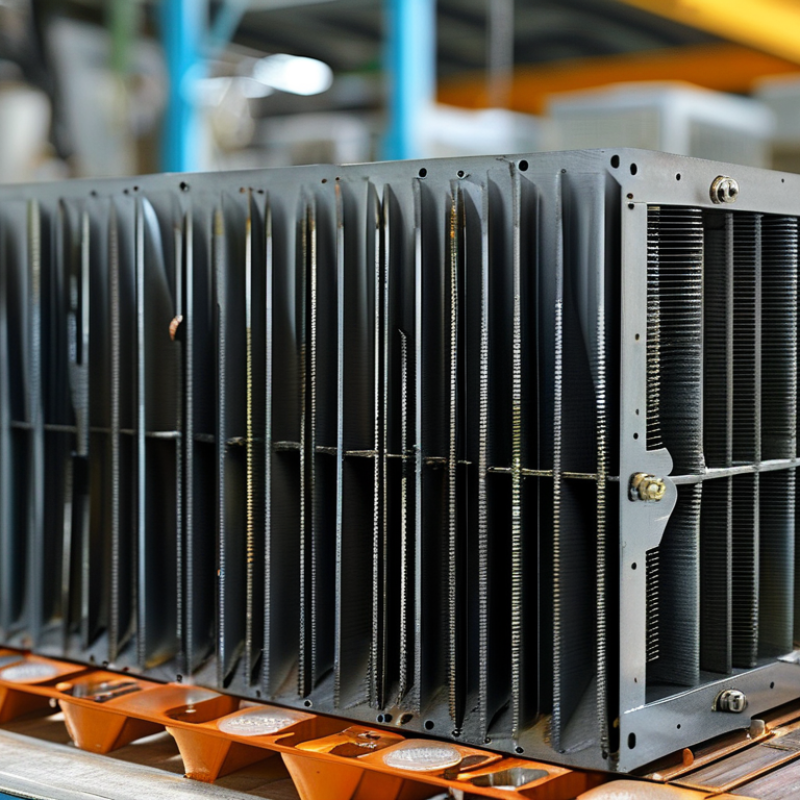
When it comes to heating solutions, finned elements stand out as highly efficient components. These elements enhance heat transfer and improve energy use in various systems. They can be found in multiple applications, from industrial machines to home heating units.
Selecting the right finned element can significantly affect performance. Knowledge about different types and their specific applications is crucial. Each type has unique benefits, yet, factors like material choice and configuration can complicate decisions.
The following sections will explore the top 10 finned element types available today. We aim to provide insights into their designs, efficiency, and applications. It's essential to weigh your options carefully and choose the right one for your needs.
Top Finned Element Types and Their Heat Transfer Efficiency
Finned elements are critical for optimizing heat transfer efficiency in heating solutions. Their design enhances the surface area, allowing for better heat exchange with surrounding air or fluids. According to a report by the Institute of Heat Transfer, finned elements can improve heat transfer rates up to 50% compared to standard designs. Different types of finned elements serve various applications, from industrial heating to residential systems.
Some common finned element types include plate, circular, and helical fins. Each variant has its advantages and is suited for specific situations. For instance, plate fins are excellent in compact areas, offering both efficiency and space-saving benefits. Circular fins, on the other hand, provide consistent heat distribution but may require more material. This variability illustrates how choosing the right fin type can make a significant difference in performance, and often companies struggle with this decision.
Factors like material type and fin density can also impact efficiency. A study from the Thermal Management Association found that aluminum fins are preferred for their lightweight and excellent heat conduction properties. However, they may not perform well in corrosive environments. Thus, engineers must balance these factors to select the most effective finned element for their heating solutions.
Analysis of Material Composition in Finned Heating Elements
Finned heating elements are crucial in various industries, providing efficient thermal energy transfer. The material composition of these elements significantly influences their performance. Common materials include aluminum and copper due to their excellent thermal conductivity. According to a report by the American Society of Heating, Refrigerating and Air-Conditioning Engineers (ASHRAE), aluminum fins can enhance heat transfer efficiency by up to 40% compared to non-finned designs.
Moreover, the choice of alloys plays a vital role. For instance, stainless steel fins may not conduct heat as efficiently as aluminum, but they offer corrosion resistance. This is essential in applications where moisture is a concern. Research indicates that using a finned element made of a suitable alloy can improve longevity by approximately 30%.
Despite their advantages, finned heating elements are not without challenges. Over time, they can suffer from fouling, reducing their efficiency. Industry experts suggest regular maintenance to address this issue. Understanding the specific material properties helps engineers select the best solution for their heating needs. Each application may require a tailored approach to maximize efficiency and lifespan, making material selection a nuanced decision.
Comparative Performance: Air vs. Water-Cooled Finned Elements
When comparing air-cooled and water-cooled finned elements, efficiency is a crucial factor. Air-cooled systems are typically easier to install and maintain. They utilize ambient air for cooling, which can be advantageous in many scenarios. According to a recent industry report, about 65% of heating systems currently use air-cooled designs, primarily due to lower upfront costs.
In contrast, water-cooled finned elements often provide superior heat transfer. Water has a higher thermal conductivity than air. This means water-cooled systems can achieve higher efficiency in compact spaces. A study published in the Journal of Thermal Engineering indicated that water-cooled fin elements could be up to 30% more efficient than their air-cooled counterparts in certain applications. However, their installation can be complex and may require additional infrastructure.
The decision between air and water cooling should consider specific use cases and installation contexts. As systems evolve, even traditional air options may present new challenges. Understanding these subtleties will help users optimize their heating solutions effectively.
Comparison of Finned Element Types for Heating Solutions
Energy Consumption Metrics of Finned Element Heating Solutions
When evaluating energy consumption metrics of finned element heating solutions, efficiency is key. Finned elements generally provide a larger surface area for heat transfer, allowing for more efficient heating. This increased surface area means quicker heating with reduced energy use, which is vital for both residential and industrial applications.
However, not all finned elements perform equally well. Variations in design and material can influence their effectiveness. For instance, using aluminum fins can enhance thermal conductivity, but it may not be the best choice for all environments. Some areas may encounter corrosion issues that outweigh the benefits of this material. Thus, energy consumption metrics can vary significantly based on user demands and application specifics.
Additionally, it’s important to consider the operational conditions. Ambient temperature, airflow, and application timing can all impact overall energy efficiency. A finned heating solution may excel in one scenario but fall short in another. This complexity adds layers to the decision-making process, pushing us to reflect on both performance and real-world applications. As technology evolves, actively assessing these metrics will ensure that choices made today remain relevant for future heating needs.
Trends in Finned Element Design for Enhanced Thermal Performance
The finned element design has seen significant advancements aimed at improving thermal performance. Recent industry reports indicate a growing trend toward utilizing innovative materials that enhance heat transfer efficiency. For instance, aluminum and copper alloys are gaining traction for their excellent thermal conductivity.
Finned elements made from these materials can increase energy efficiency by up to 25%.
Moreover, the design of finned elements is evolving. Engineers are exploring intricate designs, such as louvered and serrated fins. These modifications can improve airflow and heat dissipation. A study revealed that these advanced designs can achieve a heat transfer coefficient increase by 30% compared to traditional models.
However, while these innovations show promise, the complexity of manufacturing them may raise costs and lead to issues with durability.
Sustainability is another vital consideration. The industry's push towards eco-friendly solutions has prompted the use of recyclable materials. Nevertheless, balancing performance and sustainability remains challenging. The technology must keep pace with evolving energy regulations while addressing environmental concerns. As these trends continue to develop, ongoing research will be critical in refining finned element designs for optimal efficiency.