Top Tips for Choosing the Best Heater Tubular for Your Needs?
Choosing the right Heater Tubular can significantly impact your comfort and efficiency. With numerous options available, making the best choice requires careful consideration. Understanding your specific heating needs is essential. Are you heating a small room or a larger space? Knowing this can guide your selection.
The quality and type of Heater Tubular you choose can affect energy consumption. Some models are designed for quick heating, while others maintain warmth over extended periods. Assessing your usage patterns can help narrow down choices. Look for features like adjustable temperatures and safety mechanisms to enhance reliability.
It's also vital to consider the design and installation of the Heater Tubular. A poorly chosen model might result in uneven heat distribution or safety hazards. Researching reputable brands and user reviews can shed light on the most dependable options. Your decision should merge functionality with safety, ensuring you find a solution that satisfies both your heating requirements and peace of mind.
Understanding Heater Tubular Basics and Their Functionality
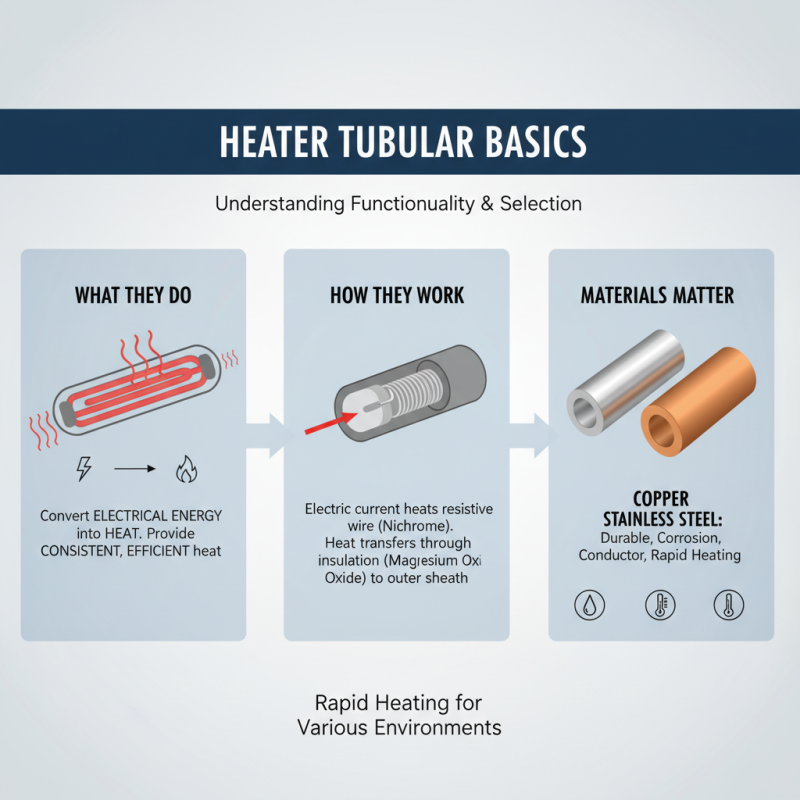
When selecting a heater tubular, understanding its basics and functionality is crucial. Heater tubulars are designed to provide consistent and efficient heat. They work by converting electrical energy into thermal energy, allowing for rapid heating in various environments. The materials used often influence performance. Common options include stainless steel and copper, each with unique heat conduction properties.
Consider the intended use of the heater. Will it be for industrial purposes or residential heating? Smaller spaces may require different specifications compared to larger facilities. Pay attention to wattage and temperature range. A heater with too high wattage can lead to overheating, while one with insufficient power may not meet heating needs effectively.
It's also important to evaluate safety features. Look for options that include temperature controls and automatic shutoff capabilities. Many users overlook these critical elements, leading to potential hazards. Always prioritize reliability and durability in your selection. A well-chosen heater tubular can greatly enhance comfort and efficiency, but improper choices might lead to wasted energy and increased costs.
Identifying Your Heating Needs and Space Requirements
When selecting the best tubular heater, understanding your heating needs is crucial. Different spaces require different heating capacities. For instance, a small bathroom may only need a heater with 500 watts, while a larger garage could necessitate up to 2000 watts. According to industry studies, nearly 70% of users reported dissatisfaction due to inadequate heating output. This indicates the importance of accurately assessing your space requirements.
Next, consider the layout and insulation of your space. A poorly insulated area will demand more energy, elevating running costs. Research shows that well-insulated spaces can allow for a 30% reduction in heating costs. For a room with high ceilings or large windows, a higher output heater becomes necessary, as the heat can easily escape. Also, avoid common pitfalls. Many may overlook the heater's placement, believing all spots are viable. However, placing the heater away from obstructions ensures efficient heat distribution.
Finally, reflect on your long-term needs. If you rarely use the room, a lower output may suffice. Yet, for frequent use, investing in a higher capacity unit offers greater comfort. Remember, finding the right balance between immediate needs and future requirements is vital for maximizing investment efficiency.
Top Tips for Choosing the Best Heater Tubular for Your Needs
| Feature |
Description |
Ideal for |
| Power Output |
Measured in watts, determine how much heat is needed based on the space size. |
Large rooms or workshops |
| Energy Efficiency |
Look for heaters with high energy ratings to save on electricity bills. |
Homeowners or eco-conscious users |
| Portability |
Consider heaters with wheels or lightweight designs for easy movement. |
Users with multiple rooms to heat |
| Safety Features |
Look for features like tip-over protection and automatic shut-off. |
Households with pets or children |
| Noise Level |
Check for decibel ratings, if silent operation is desired. |
Users in bedrooms or quiet spaces |
Comparing Different Types of Heater Tubulars Available
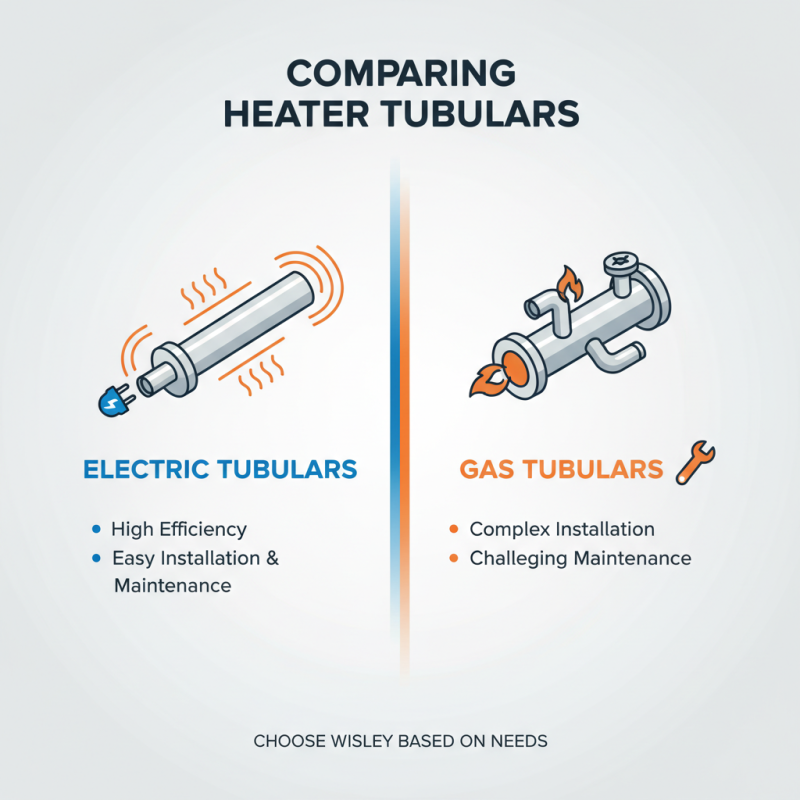
When selecting a heater tubular, understanding the types available is crucial. Heater tubulars vary significantly in design and application. Electric tubulars are the most common due to their efficiency and ease of use. These types often integrate well into various heating systems. In contrast, gas tubulars may present challenges in installation and maintenance, affecting their overall appeal.
Industry reports indicate electric tubular heaters can achieve efficiency ratings above 90%. This means they convert nearly all energy into heat. However, their reliance on electricity may not suit every environment. On the other hand, gas options provide high heat output, but they require ventilation, which complicates user installation. They also might have limited availability in certain regions.
Radiant tubulars represent another option. They are effective for heating specific areas without heating the entire room. However, they may require maintenance, and performance can fluctuate based on usage. Consider your specific heating needs and space before making a choice. Some users find the aesthetic preferences of radiant heaters appealing, but they might neglect the implications of electrical versus gas costs in the long run. Each type presents trade-offs that deserve careful consideration.
Evaluating Energy Efficiency and Operating Costs
When choosing a tubular heater, energy efficiency is crucial. It impacts both your carbon footprint and your utility bills. Look for heaters with good energy ratings. They often use less power while providing the same level of heat. This can translate to significant savings over time.
Operating costs go beyond the initial purchase price. Consider how often you will use the heater throughout the year. A heater with a higher efficiency might cost more upfront but could save you money in the long run.
Assess the power output of the heater. Some models may not provide adequate warmth for larger spaces. Think about insulation, too. Well-insulated areas require less heating, reducing energy consumption. Reflect on your specific needs to make an informed choice.
Safety Features to Consider When Choosing a Heater Tubular
When selecting a heater tubular, safety features should be a primary concern. The U.S. Consumer Product Safety Commission reported that space heaters caused around 45% of home heating fires. Many models now integrate advanced safety features to mitigate risks. Overheating protection is essential; it automatically shuts off the heater when temperatures rise excessively.
Another critical safety element is tip-over protection. If the heater is accidentally knocked over, this feature ensures it powers down immediately. According to the National Fire Protection Association, devices lacking these features are linked to higher incident rates.
Finally, consider materials and certifications. Heaters made of flame-resistant materials provide an extra layer of safety. Look for certifications from recognized authorities, ensuring the product meets safety standards. Testing by independent labs can help you choose wisely. While many models tout innovations, not all live up to claims, so meticulous research is important.