How to Choose the Right Asphalt Heater for Your Project?
Choosing the right Asphalt Heater is crucial for the success of any paving project. According to the National Asphalt Pavement Association, nearly 95% of the roads in the U.S. are paved with asphalt. With such high usage, selecting the correct heating equipment can impact efficiency and quality.
Different projects demand specific heating capabilities. A study from the Asphalt Institute highlights that optimal heating reduces fuel consumption by up to 30%. This directly affects operational costs and project timelines. However, with numerous models available, decision-making can be challenging.
Many contractors overlook the nuances of each heater's design and capabilities. A poorly chosen Asphalt Heater may lead to inconsistent temperatures and longer project durations. It’s essential to assess factors like heater capacity, mobility, and energy source. Understanding these elements can transform your project outcomes and improve overall effectiveness. Reflecting on past experiences can also guide better choices in future projects.
Understanding Different Types of Asphalt Heaters and Their Applications
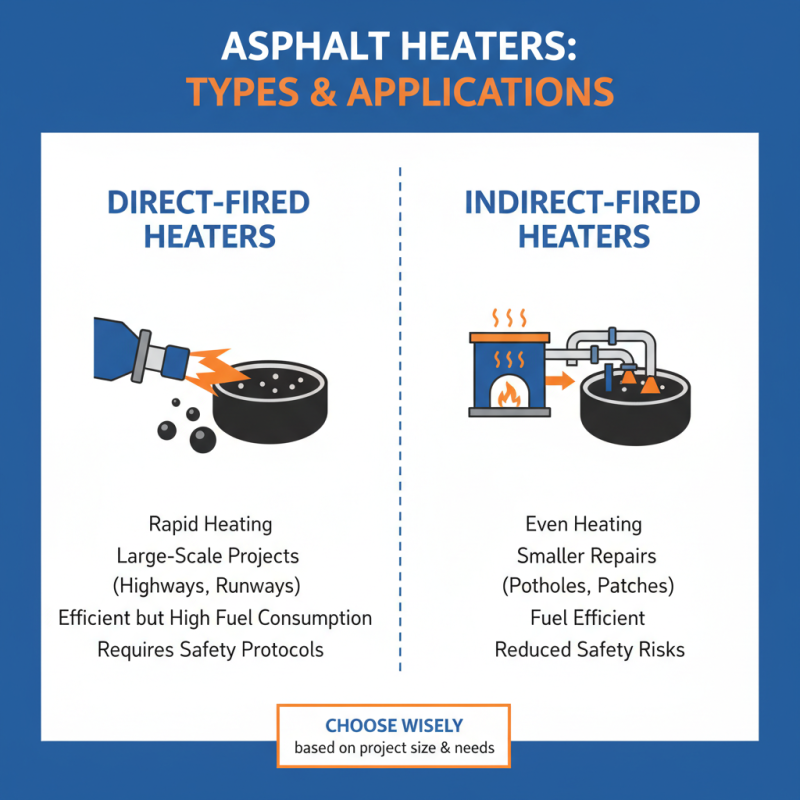
When choosing an asphalt heater, understanding the different types is crucial. Direct-fired heaters are popular for their efficiency. They heat asphalt rapidly, making them ideal for large-scale projects. However, they can consume more fuel and may require extra safety measures.
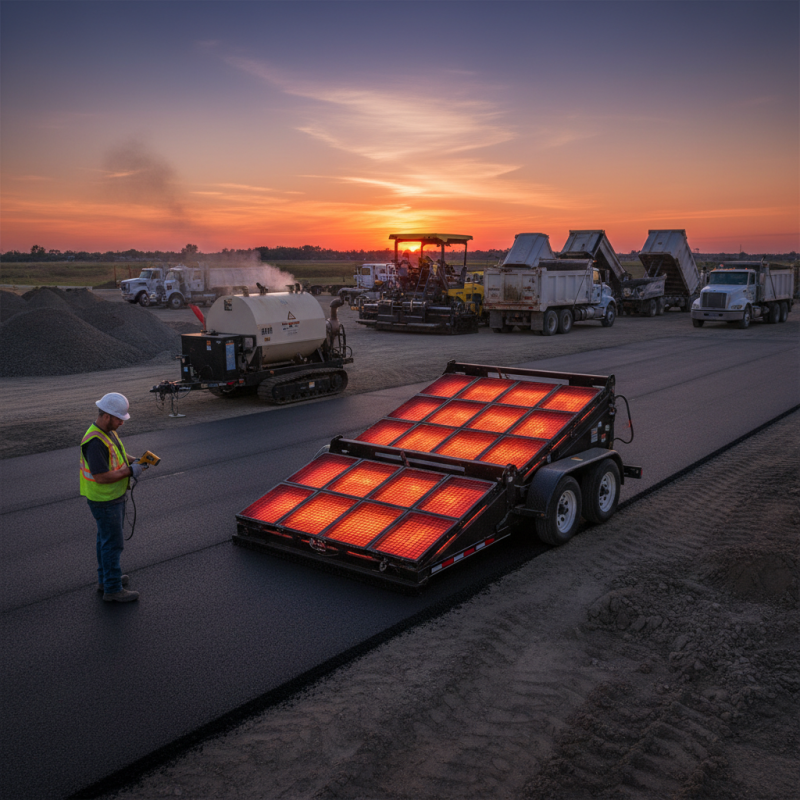
Infrared heaters offer a gentler heating method. They are perfect for sensitive applications, ensuring even heat distribution. This type can be expensive upfront. But, the long-term savings on fuel and improved asphalt quality can justify the cost. Also, the need for skilled operators increases, which can complicate project planning.
Indirect-fired heaters provide consistent heating. They are often used in colder climates. They heat asphalt without direct flame contact. Though slower than direct-fired options, they minimize the risk of overheating. Understanding these differences can help you select the right heater for your project, reflecting both project needs and budget constraints.
Key Factors to Consider When Selecting an Asphalt Heater for Your Project
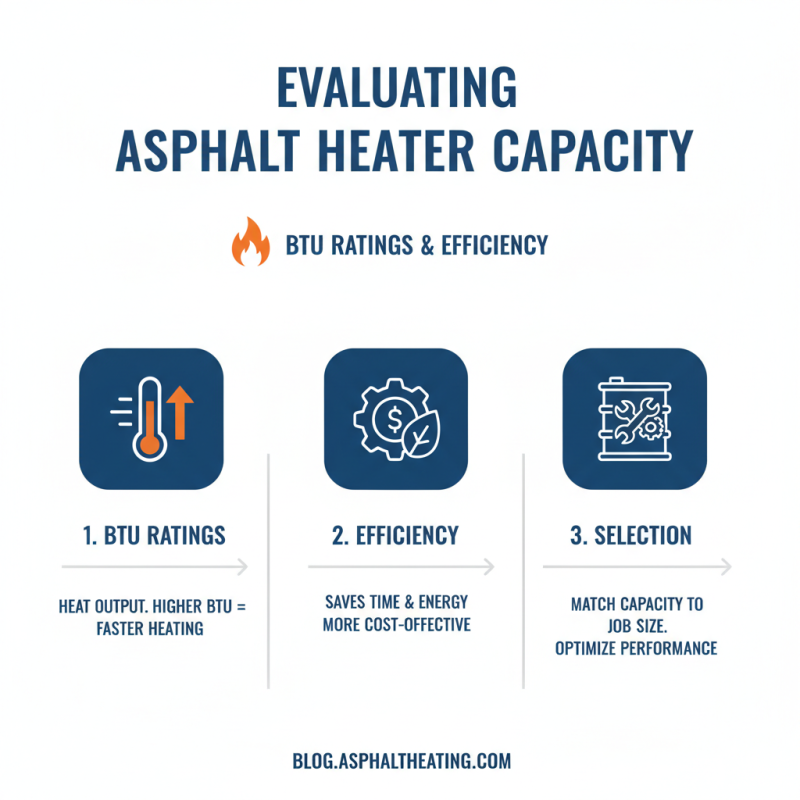
Choosing the right asphalt heater can significantly impact the success of your paving project. Understanding key factors will guide your decision. One important aspect is the heater's output capacity. A unit with insufficient output can lead to delays. Conversely, a too-powerful heater might waste energy and increase costs unnecessarily.
Another factor to consider is the type of fuel used. Different heaters operate on diesel, propane, or electricity. Each fuel type has its advantages and costs. Evaluate the availability of fuel sources in your area. Efficiency ratings also matter. An efficient heater reduces operational costs but may require a higher initial investment.
Don't overlook the size and portability of the heater. If your project site is cramped, a compact model could be essential. Heavy equipment can sometimes be cumbersome to transport. It's also crucial to check for compliance with local regulations regarding emissions and safety. Ignoring these details could lead to fines or project delays. Make sure to gather insights from professionals. Their experiences can offer invaluable guidance and highlight aspects you may have missed.
Comparison of Key Factors for Choosing the Right Asphalt Heater
This chart shows a comparison of various key factors to consider when choosing an asphalt heater for your project, including heating capacity, temperature range, fuel efficiency, recovery time, and weight across three different models.
Assessing Heating Methods: Convection vs. Infrared Asphalt Heaters
When choosing an asphalt heater for your project, selecting the heating method is crucial. Convection and infrared heaters are the two primary options. Convection heaters circulate hot air around the asphalt, ensuring even heating. They typically operate at lower temperatures, which can be ideal for specific applications such as base repairs where lower thermal stress is preferred.
On the other hand, infrared heaters emit radiant heat directly onto the asphalt surface. This method promotes faster heating, allowing for immediate workability. According to a recent report by the National Asphalt Pavement Association, infrared heating can reduce the heating time by up to 50%. This efficiency is particularly beneficial for projects with tight deadlines.
Tips: Consider the size of your project. Convection heaters are generally better for large areas, while infrared suits smaller tasks. Also, evaluate your team’s experience with each type. A more familiar method can enhance overall efficiency. Remember, heating too quickly can risk damaging the asphalt. Proper assessment of your project’s needs is vital for optimal results.
Maintenance and Operational Considerations for Long-term Asphalt Heater Use
Maintaining an asphalt heater is crucial for its longevity. Regular servicing can prevent unexpected breakdowns and costly repairs. According to a recent industry report, up to 30% of asphalt heater failures stem from neglecting regular maintenance. Key components, like burners and hoses, should be inspected frequently. This ensures they function efficiently and safely.
Proper operation is equally essential. Operators should receive training to use these machines effectively. Poor practices can lead to increased fuel consumption and uneven heating, which impacts asphalt quality. A study found that improper operation could lead to a 20% decrease in productivity. Keeping records of heater performance can help identify issues early, allowing for timely interventions.
Environmental factors also play a significant role. Operating in extreme temperatures can affect heater performance. Regular calibration based on external conditions ensures optimal functionality. Not addressing these factors may lead to inconsistent heating and project delays. Thus, both maintenance and operational practices are vital for maximizing the asphalt heater's lifespan and effectiveness.