Top 10 Fryer Elements You Need to Know Today?
In the ever-evolving culinary landscape, understanding Fryer Elements is crucial for chefs and restaurateurs alike. According to a recent industry report by the Culinary Institute of America, 72% of professionals believe that high-quality fryer components significantly enhance cooking efficiency and food quality. Renowned fryer expert, John Kitchen, states, “The right Fryer Elements can transform ordinary dishes into signature offerings.”
Fryer Elements play a pivotal role in commercial kitchens. They directly influence temperature control, cooking times, and overall food safety. Data from the National Restaurant Association shows that over 50% of kitchens utilize fryers as primary cooking equipment. Yet, many still overlook the importance of selecting the right elements.
Some might assume that all fryer elements are created equal. However, the variation in material quality and design can impact performance drastically. Reflecting on common oversights, experts urge kitchen operators to reassess their current systems. Are you using the best Fryer Elements available? This inquiry could be the key to achieving consistently high-quality results in your dishes.
Types of Fryer Elements: An Overview
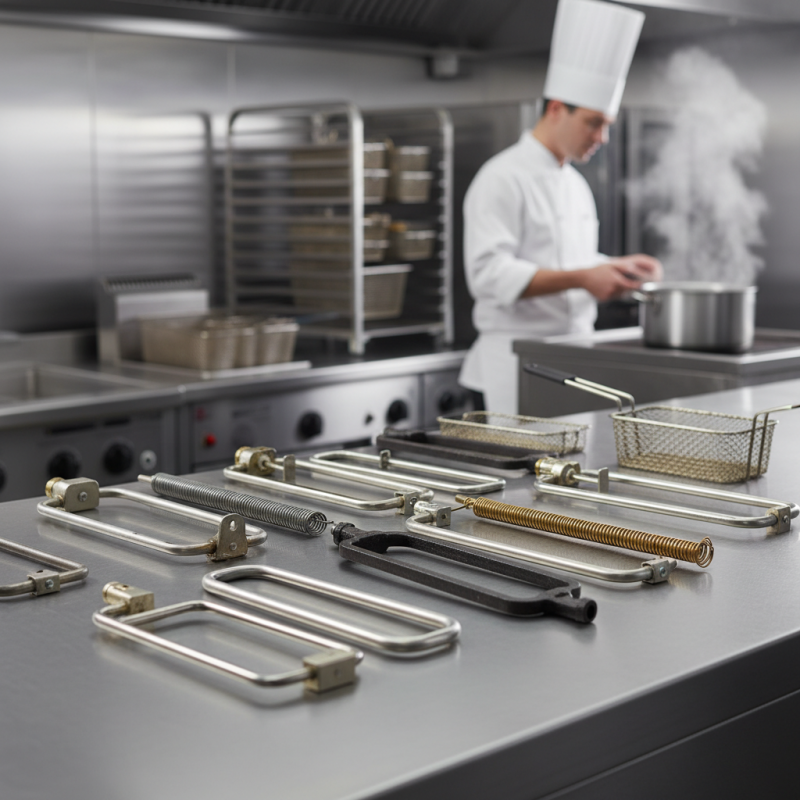
Fryer elements are vital components in many kitchens, providing efficient heat for frying a variety of foods. Understanding the types of fryer elements can enhance your cooking experience. Essentially, there are three main types of fryer elements: electric, gas, and induction.
Electric fryer elements are popular for home use. They heat quickly and are often easy to install. However, these elements can sometimes fail if not maintained properly. Regular cleaning and ensuring connections are secure can prevent breakdowns. Gas fryer elements rely on propane or natural gas. They offer high heat, which is perfect for deep frying. But, they require more management. Users must ensure proper ventilation to avoid hazards.
Induction fryer elements are becoming increasingly common. They are energy-efficient and provide precise heat control. However, they require compatible cookware, limiting options for some users. Each type has its strengths and weaknesses. Depending on your specific needs, one may be a better fit. Always consider your cooking style and safety when choosing the right fryer element. The landscape of frying technology continues to evolve, so staying informed is crucial.
How Fryer Elements Work: The Science Behind Frying
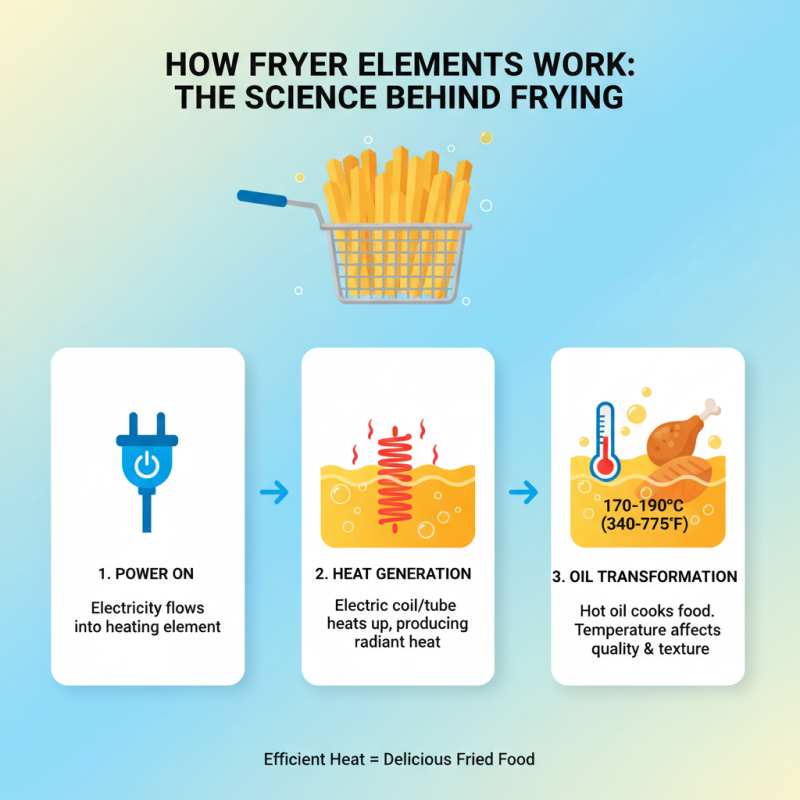
Fryer elements play a crucial role in the frying process, transforming oil into a hot cooking medium. These elements are typically electric coils or tubes, designed to efficiently generate heat. When you switch on the fryer, electricity flows through these components, producing radiant heat that warms the oil. The temperature is essential; it influences the quality and texture of the fried food.
The science behind frying involves heat transfer through conduction and convection. The heated oil cooks food quickly, creating a crispy exterior while keeping the inside moist. However, not every element works perfectly. Some elements may have uneven heating, causing food to fry inconsistently. This can lead to undercooked spots or burnt sections, and it’s important to monitor the performance of your fryer.
Moreover, the materials of fryer elements matter. Stainless steel is commonly used due to its durability and resistance to corrosion. Nevertheless, it can wear out over time, impacting efficiency. Observing these patterns can help you understand how to improve frying results. The right knowledge can enhance your cooking experience and lead to better meals. Maintaining fryer elements can be an afterthought, but it directly affects your results.
Key Features to Consider When Choosing Fryer Elements
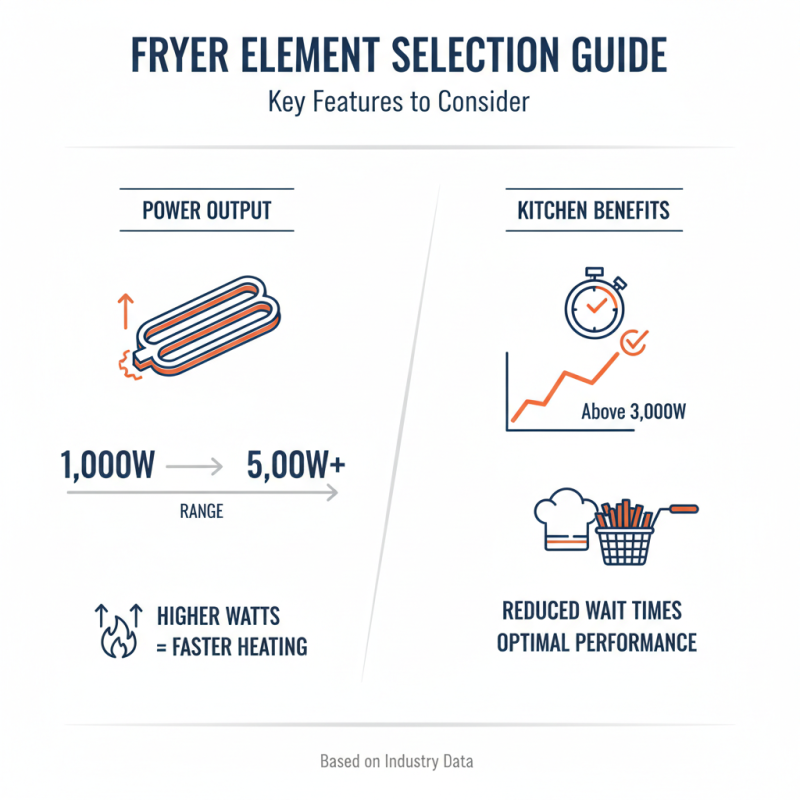
When selecting fryer elements, several key features are essential to ensure optimal performance. Power output is a crucial consideration. Elements typically range from 1,000 to 5,000 watts. A higher wattage provides faster heating, which is vital for busy kitchens. Industry data shows that fryers with a power output above 3,000 watts heat oil much quicker, reducing wait times.
Temperature control is another critical feature. Precise temperature regulation helps maintain food quality. Studies reveal that fryers with digital controls are more reliable. They allow chefs to set and monitor specific temperatures, which can mitigate issues of food inconsistency and overcooking.
Material and durability also play key roles in the longevity of fryer elements. Stainless steel elements resist corrosion and withstand high temperatures better than other materials. Reports indicate that fryers made from high-quality materials have a significantly lower failure rate. This data points to a need for careful selection based on material to ensure reliability.
Noise levels are often overlooked but can impact the kitchen environment. Fryer elements with silent operation reduce distractions. Many chefs prefer silent fryers to maintain a focused work environment. Improving these subtle aspects can lead to a more efficient and pleasant cooking experience.
Top Brands Offering Quality Fryer Elements Today
When it comes to deep frying, choosing the right fryer elements is crucial. There are several top brands renowned for their quality fryer components. These brands adhere to rigorous safety standards and provide durable products that enhance cooking efficiency. According to industry reports, nearly 70% of professional kitchens rely on reliable fryer components to ensure optimal performance and safety.
A few key insights reveal the importance of quality fryer elements. They can significantly improve heat retention and cooking speed. In fact, a well-maintained fryer element can reduce cooking time by up to 25%. This efficiency not only enhances food quality but also boosts kitchen productivity. Remember, proper installation and regular maintenance are vital for maximizing the lifespan of your fryer elements.
Tip: Always check for compatibility when replacing fryer elements. Mismatched components can lead to inefficiencies and safety hazards.
Another important factor is energy consumption. Quality fryer elements can reduce energy costs. Research shows that upgrading to more efficient elements can yield savings of 15% or more on energy bills.
Tip: Investing in programmable controls can optimize cooking cycles, further enhancing energy efficiency while maintaining food quality. Keep an eye on user reviews and certifications to ensure you're making informed choices.
Maintenance Tips for Prolonging the Life of Fryer Elements
Fryer elements play a crucial role in maintaining efficient cooking performance.
Regular maintenance can significantly extend their lifespan. One essential tip is to clean the fryer elements regularly.
Grease and food particles can accumulate, leading to overheating. Use a soft cloth and mild detergent for this purpose.
Avoid harsh chemicals, as they can damage the elements.
Another important aspect is to monitor the temperature settings. Overheating can wear out the elements prematurely.
Make sure to calibrate the temperature regularly. It’s also wise to inspect for any signs of wear, such as discoloration or unusual odors.
If you notice anything unusual, it's best to address it immediately.
Additionally, consider the oil quality. Dirty oil can lead to more frequent replacements and increased wear on the elements.
Filter the oil regularly and change it as needed. This practice not only helps in maintaining the fryer elements but also improves food quality.
Remember, taking time to maintain your fryer will save you money in the long run.