What Are the Benefits of Using Flanged Heaters in Industry?
Flanged heaters are crucial in various industrial applications. They offer efficient heating solutions for fluids and gases. These devices are known for their robust design and reliability. Industries including oil and gas, food processing, and chemical manufacturing utilize flanged heaters extensively.
Using a flanged heater has distinct advantages. Their design allows for easy installation and maintenance. This can reduce downtime in operations. They also provide excellent temperature control, which is vital for processes that require precision. However, improper sizing or installation can lead to inefficiencies.
While flanged heaters are reliable, they are not without challenges. Users must ensure proper compatibility with their systems. Regular maintenance checks can prevent failures. In summary, flanged heaters have both strengths and weaknesses in industrial settings. Understanding these aspects can help businesses make informed choices.
Benefits of Flanged Heaters in Industrial Applications
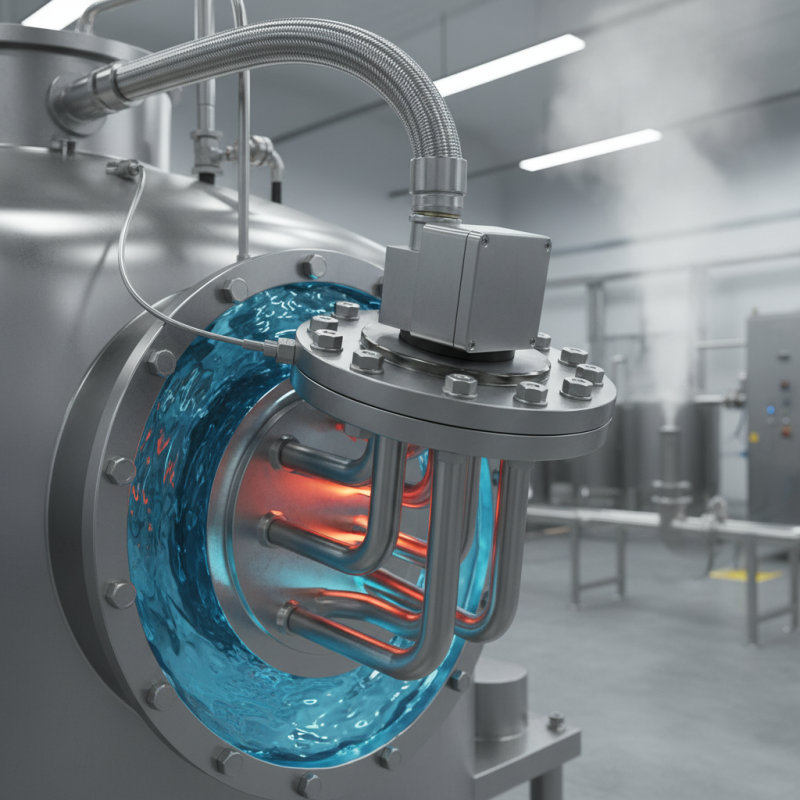
Flanged heaters are critical in various industrial settings. They provide efficient heating for different processes, such as tank heating and pipeline applications. Their design allows for a secure installation, minimizing the risk of leaks. This can lead to increased safety and productivity in the workplace.
One of the notable benefits of flanged heaters is the ease of maintenance. When they need servicing, replacements are straightforward. Technicians can easily access them, which reduces downtime. Moreover, these heaters can adapt to various heating requirements, making them versatile for many industries.
However, improper use can lead to issues, such as overheating. Regular checks are essential to prevent damage. It’s vital to train staff on proper operation and safety measures. While flanged heaters are reliable, understanding their limitations enhances their efficiency.
Energy Efficiency of Flanged Heaters Compared to Other Heating Methods
Flanged heaters offer significant energy efficiency advantages compared to traditional heating methods. According to a study by the Department of Energy, electric flanged heaters can operate at efficiencies greater than 90%. In contrast, older methods, like steam heating, often range between 60% to 80% efficiency. This stark difference means plants using flanged heaters can reduce energy consumption, resulting in lower operational costs.
Moreover, flanged heaters provide targeted heating. Their design allows for quick heat distribution, minimizing heat loss during operation. For example, a facility that switched to flanged heaters reported a 30% decrease in energy usage within the first year. This kind of data illustrates how effectively these heaters can optimize thermal efficiency.
Despite their benefits, some industries hesitate to adopt flanged heaters. The initial installation costs may deter organizations. Furthermore, maintenance practices vary widely across different sectors, which affects long-term energy savings. Striking a balance between upfront investment and ongoing efficiency is essential for informed decision-making in industrial heating solutions.
Enhanced Temperature Control and Process Stability Provided by Flanged Heaters
Flanged heaters offer enhanced temperature control and process stability, making them a valuable asset in various industries. These heaters are designed for efficient heat transfer, providing reliable performance in manufacturing and processing applications. For example, in a study by the U.S. Department of Energy, it was noted that improved heating efficiency can lead to energy savings of up to 20%. This efficiency translates into lower operational costs for facilities that rely on precise temperature management.
One significant advantage of flanged heaters is their ability to maintain consistent thermal conditions. In process industries, fluctuations in temperature can lead to product inconsistency or equipment stress. By delivering stable heat, flanged heaters help ensure quality control. However, a common oversight is inadequate maintenance. Regular checks on heater integrity can prevent failures and enhance their lifespan.
Tips: Regularly inspect electrical connections and insulation on flanged heaters. Even minor insulation wear can affect performance. Additionally, consider employing thermal sensors for real-time monitoring. This approach helps identify temperature irregularities before they escalate into bigger issues.
Flanged heaters are adaptable across various sectors, from chemical processing to food production. Their efficiency and stability encourage companies to improve their processes. Nevertheless, investing in quality leads to long-term benefits. The initial costs can deter some, but financial analysis often reveals significant savings over time.
What Are the Benefits of Using Flanged Heaters in Industry?
| Benefit |
Description |
Application |
| Enhanced Temperature Control |
Flanged heaters provide precise temperature management, which is critical in various industrial processes. |
Chemical Processing |
| Improved Process Stability |
The stable thermal performance of flanged heaters ensures minimal temperature fluctuations during operation. |
Food Processing |
| Durable Construction |
Constructed with robust materials, flanged heaters are designed to withstand harsh industrial environments. |
Oil and Gas Industry |
| Ease of Maintenance |
Flanged connections facilitate straightforward installation and maintenance, reducing downtime. |
Power Plants |
| Flexible Design Options |
Available in various sizes and configurations, flanged heaters can be tailored to meet specific application needs. |
Pharmaceutical Production |
Cost-Effective Solutions: Long-Term Savings with Flanged Heater Usage
Flanged heaters offer significant cost-effective solutions for various industries. These heaters efficiently transfer heat to fluids, ensuring uniform heating. As a result, they can reduce energy consumption by up to 30%. A report from the U.S. Department of Energy highlights the potential for substantial savings in industrial heating systems. Over time, these savings can offset the initial investment in flanged heaters.
Moreover, flanged heaters require minimal maintenance. They typically have longer lifespans compared to conventional heating methods. This extends the time between replacements, creating further long-term savings. In some cases, industries have reported a decrease in maintenance costs by 25% after switching to flanged heaters. This not only impacts budgets positively but also reduces downtime, enhancing overall productivity.
It's crucial to acknowledge that not every application may benefit equally. Some operations may require more frequent monitoring, which could lead to unexpected costs if not managed properly. Additionally, the complexity of integrating these heaters into existing systems might pose challenges. However, with careful planning and analysis, most industries can realize the advantages of flanged heaters. They provide a reliable and efficient heating solution that contributes to both financial and operational benefits.
Applications of Flanged Heaters in Various Industries and Their Impact
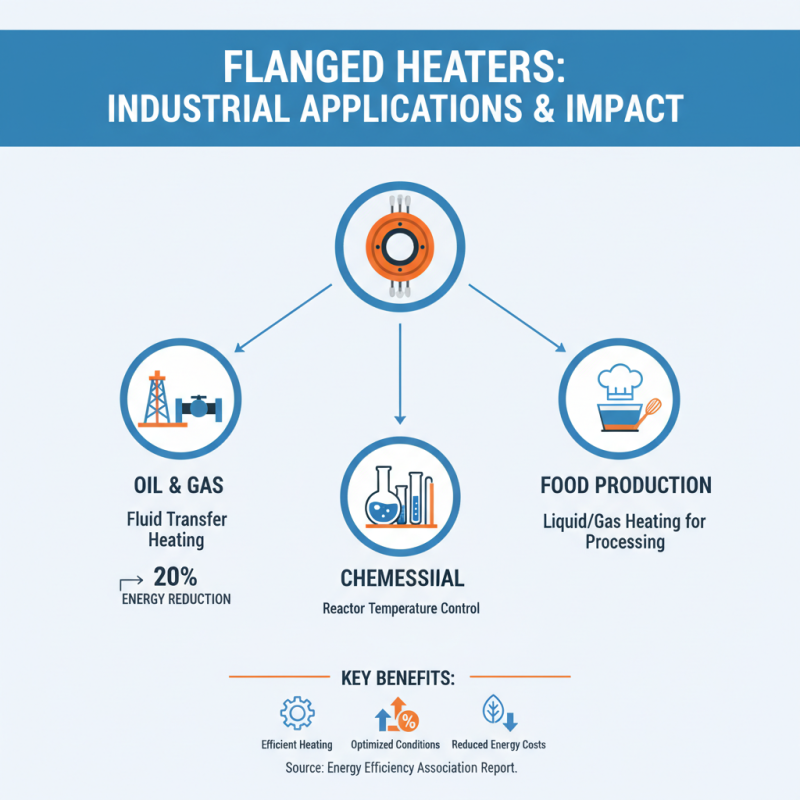
Flanged heaters offer versatile applications across various industries. These electric heating elements are essential in oil and gas, chemical processing, and food production. They efficiently heat liquids and gases, ensuring optimal processing conditions. For instance, in the petrochemical sector, flanged heaters maintain precise temperatures for fluid transfer. This practice reduces energy consumption by 20%, according to a report from the Energy Efficiency Association.
In chemical processing, flanged heaters provide uniform heating. This uniformity prevents hot spots that can lead to product degradation. A study showed that using these heaters increased production efficiency by 15%. Such improvements are crucial when processing temperature-sensitive materials.
Tip: Regular maintenance of flanged heaters can prevent costly downtimes. Check for corrosion or buildup, which can affect performance. Additionally, consider using advanced sensors to monitor temperature closely. This proactive approach ensures optimal operation and safety.
In the food industry, flanged heaters are crucial in pasteurization and heating systems. Consistent heating helps in maintaining food safety standards and preserves product quality. However, it's important to note that improper installation can lead to inefficiencies. Therefore, thorough training for operators is essential to minimize errors and enhance the reliability of heating processes.