How to Choose the Best In Line Heater for Your Needs?
Choosing the best In Line Heater can significantly enhance your heating efficiency. According to John Smith, a leading expert in HVAC systems, “Selecting an appropriate In Line Heater is crucial for optimal performance.” His insight highlights the importance of making an informed decision.
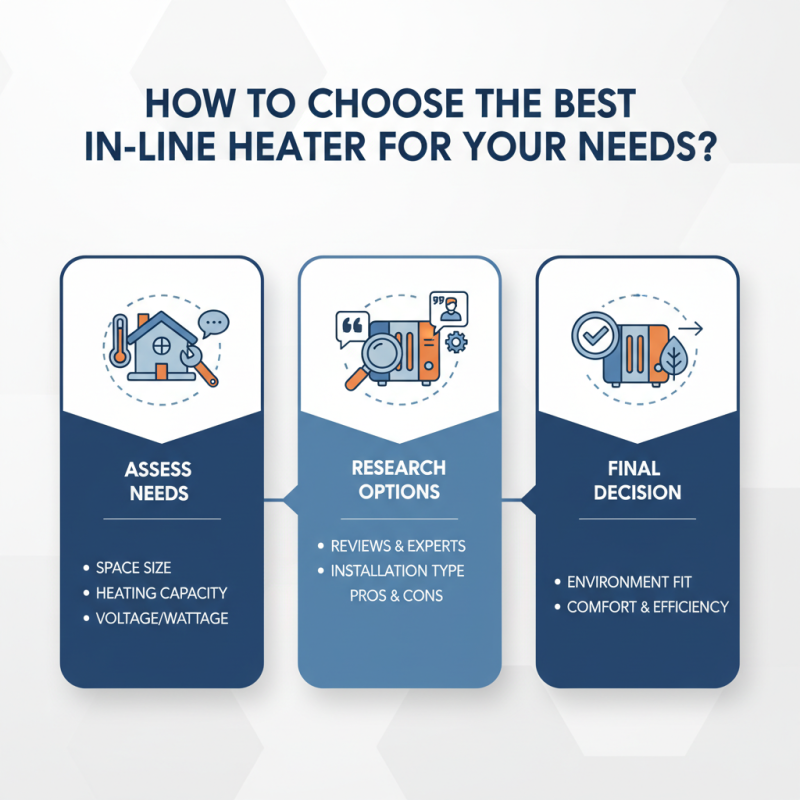
When evaluating In Line Heaters, consider your specific requirements. Different models cater to varying space sizes and heating capacities. Factors like voltage, wattage, and installation options should guide your selection. It’s not uncommon for consumers to feel overwhelmed by the choices available. Take the time to assess your heating needs before making a final decision.
Remember that even the best In Line Heater can underperform if it’s not suited to your environment. Research is key. Explore reviews, consult professionals, and don’t hesitate to ask questions. Each choice carries its own set of advantages and drawbacks. Ultimately, the right In Line Heater should align with your unique situation, enhancing comfort while ensuring energy efficiency.
Factors to Consider When Selecting an In Line Heater for Home Use
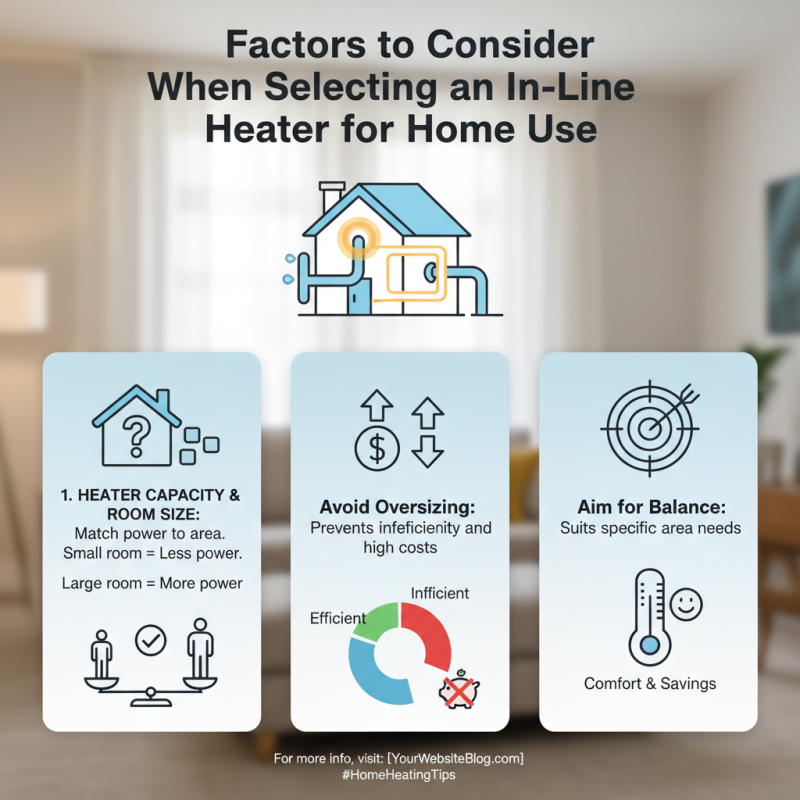
When selecting an in-line heater for home use, several critical factors must be considered. First, the heater's capacity should match your home’s needs. Think about the size of the area you want to heat. A smaller room may require less power than a larger space. Oversizing can lead to inefficiency and cost concerns. Aim for a balance that suits the specific area.
Another important aspect is the type of fuel or energy source. Electric heaters offer convenience and ease of installation. However, gas models may provide better heating efficiency in some cases. Assess your energy costs and availability to choose wisely. The heater's installation requirements can also vary. Some may require professional setups, while others are more user-friendly. Consider your DIY comfort level.
Safety features are another key consideration. Look for built-in thermostats, automatic shut-off systems, and quality construction materials. These elements can make a significant difference in long-term reliability. Evaluating user reviews and expert opinions can also guide your decision. However, be aware that individual experiences vary widely. Taking time to reflect on your options ensures you choose the right product for your home.
Understanding Different Types of In Line Heaters and Their Applications
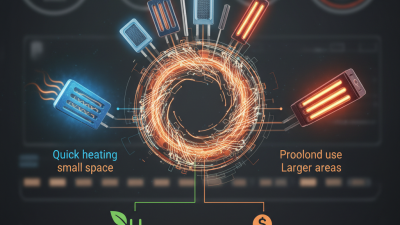
When selecting an in-line heater, understanding the different types available is crucial. There are generally three types: electric, gas, and heat pump heaters. Electric in-line heaters are efficient for small spaces and quick heating. Data from the Department of Energy indicates that electric models can be up to 99% efficient. However, they may not be suitable for larger applications.
Gas in-line heaters are often favored for their higher heating capacity. They can heat larger volumes quickly. The US Energy Information Administration shows that gas heaters contribute to lower operational costs compared to electric units. However, they require adequate venting, which can complicate installation.
Heat pump heaters are a newer technology, capturing ambient heat. They work well in moderate climates. A report by the International Energy Agency found that heat pumps can reduce energy consumption by up to 50% compared to conventional heaters. Yet, their efficiency drops in colder conditions. Evaluating your space and heating needs is essential for making the right choice.
Evaluating Energy Efficiency Ratings and Their Impact on Operating Costs
When selecting an in-line heater, energy efficiency ratings are crucial. These ratings indicate how much energy the heater uses compared to its output. Higher ratings mean less energy waste, which can lead to lower operating costs. Look for heaters that have clear energy efficiency labels. They provide valuable insights into performance and potential savings.
It’s essential to consider how often you'll use the heater. If it's for occasional use, a less efficient model might suffice. However, regular use demands better efficiency. Reflect on your long-term needs. Sometimes, investing in a higher-rated unit pays off over time, despite the initial cost. Efficiency also affects environmental impact, allowing for greener options.
Don't overlook the importance of proper installation. Even the most efficient heater can underperform if not installed correctly. Seek professionals for guidance to ensure optimal setup. Over time, re-evaluating your heater's efficiency can lead to surprising insights. Adjustments may be necessary as your heating needs evolve. In this ever-changing climate, staying informed is key.
Assessing Installation Requirements and Space Considerations for In Line Heaters
When selecting an in-line heater, assessing installation requirements is crucial. The available space often dictates the type and size of heater you can install. Measure your intended location carefully. Consider the surrounding environment and ensure there is adequate ventilation. Overheating can occur if a heater is placed too close to walls or other objects.
Think about the power source. Electric heaters need proper electrical outlets. Gas heaters require safe gas line installations. Improper setups can lead to hazards or inefficient heating. Review local building codes and consult a professional if necessary. Installation complexity can vary significantly depending on your home's layout.
Lastly, it's wise to consider maintenance needs. Certain models may require more frequent servicing. Make sure you can access the heater for regular checks. Remember, the long-term efficiency of your heating system heavily relies on thoughtful installation and space management.
How to Choose the Best In Line Heater for Your Needs?
| Feature |
Description |
Importance |
Considerations |
| Power Rating |
Determines the heating capacity of the unit. |
High |
Ensure it matches your space heating needs. |
| Installation Type |
Can be hardwired or plug-in units. |
Medium |
Check local electrical codes and installation options. |
| Size |
Physical dimensions of the heater. |
High |
Verify it fits the intended installation space. |
| Temperature Control |
Options for manual, thermostat, or programmable controls. |
High |
Choose what best suits your comfort and efficiency needs. |
| Energy Efficiency |
Rated by the energy consumed versus heat output. |
High |
Look for units with high efficiency ratings to save on energy bills. |
| Safety Features |
Includes features like overheating protection and tip-over switches. |
Very High |
Essential for preventing accidents and ensuring safe operation. |
Comparing Pricing and Warranty Options Across Leading In Line Heater Brands
When selecting an in-line heater, pricing is a major factor. Prices can vary significantly between brands. Understanding the cost is crucial for making an informed decision. Some brands offer competitive pricing, while others may charge a premium for advanced features. It's essential to find a balance between cost and quality for long-term satisfaction.
Warranty options are another critical aspect to consider. Comparing the warranty terms across different brands can reveal confidence in their products. A longer warranty may indicate durability, while a shorter one could suggest limitations. However, the warranty alone isn't a guarantee of performance. It's important to look at user reviews and expert opinions to gauge reliability.
In the end, examining both pricing and warranty options allows potential buyers to weigh their choices carefully. Many people overlook these factors, focusing solely on specifications. Taking the time to research can help you avoid potential pitfalls in the purchase process. Consider how often you'll use the heater and your specific needs before making that final choice.
Comparison of In Line Heater Average Prices and Warranty Periods