China Best Airduct Heater Recommendations for Optimal Heating Solutions?
In the quest for optimal heating solutions, the choice of an airduct heater can significantly impact energy efficiency and comfort. According to a study by the Chinese National Energy Administration, proper heating systems can reduce energy consumption by up to 30%. This statistic highlights the importance of selecting the right equipment.
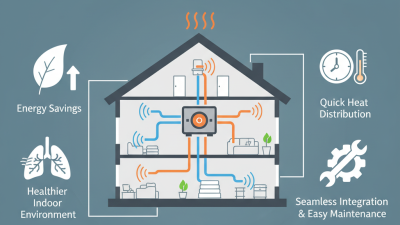
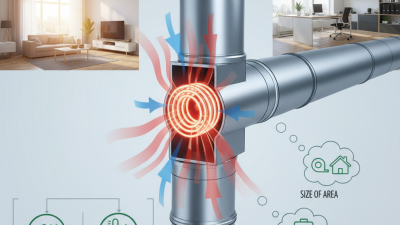
Airduct heaters are essential for both residential and commercial spaces. They work by uniformly distributing heat throughout a building, ensuring consistent warmth during the colder months. However, the market is flooded with options, making it challenging to determine which product is best suited for individual needs.
Selecting the right airduct heater involves considering factors such as size, efficiency rating, and installation type. Not every heater may be appropriate for every situation. Some models may perform significantly better than others. Additionally, understanding the long-term operational costs versus initial investment is crucial. Therefore, it’s important to research and compare various products to ensure an informed decision.

Overview of Airduct Heaters and Their Applications in China
Airduct heaters play a crucial role in providing efficient heating solutions across various applications in China. These systems are designed to optimize energy use while ensuring comfort in residential and commercial spaces. According to a report from the China Heating Industry Association, around 40% of heating systems in urban areas utilize airduct technology, reflecting its growing significance.
The efficiency of airduct heaters can be remarkable. Many models can achieve energy efficiency ratings of up to 90%. This efficiency translates to lower energy bills and reduced emissions. Furthermore, the adaptability of these heaters allows them to be installed in new builds or retrofitted into existing infrastructures. However, concerns exist regarding maintenance. Regular checks are essential to prevent dust buildup, which can reduce efficiency and air quality.
Market research indicates an increasing trend towards smart airduct heating systems. These advanced solutions integrate with home automation systems, allowing for precise temperature control. Despite their growing popularity, users must also acknowledge that initial installation costs can be high. Balancing upfront expenditures with long-term savings remains a key consideration for many.
Top Brands and Models of Airduct Heaters Available in China
When selecting airduct heaters in China, the variety of brands and models can be overwhelming. It's essential to focus on efficiency and performance. Data shows that energy-efficient heaters can reduce energy costs by up to 30%. This is crucial for residential and commercial users who aim to minimize expenses while ensuring comfort.
Several top brands have established a strong reputation based on durability and customer satisfaction. High-quality models often feature advanced temperature controls and safety mechanisms. Research indicates that heaters with smart technology can enhance user experience, allowing for better control over heating patterns. They not only provide warmth but also do so in a more sustainable way.
However, not all models live up to their promises. Users should be cautious of overly ambitious claims regarding heating capacity or energy savings. Real-world conditions can affect performance. Local climate, home insulation, and duct sizes play a significant role. It's always wise to consider customer reviews and independent assessments before purchasing. This approach helps avoid common pitfalls and ensures a more informed decision.
Energy Efficiency Ratings and Their Importance for Airduct Heaters
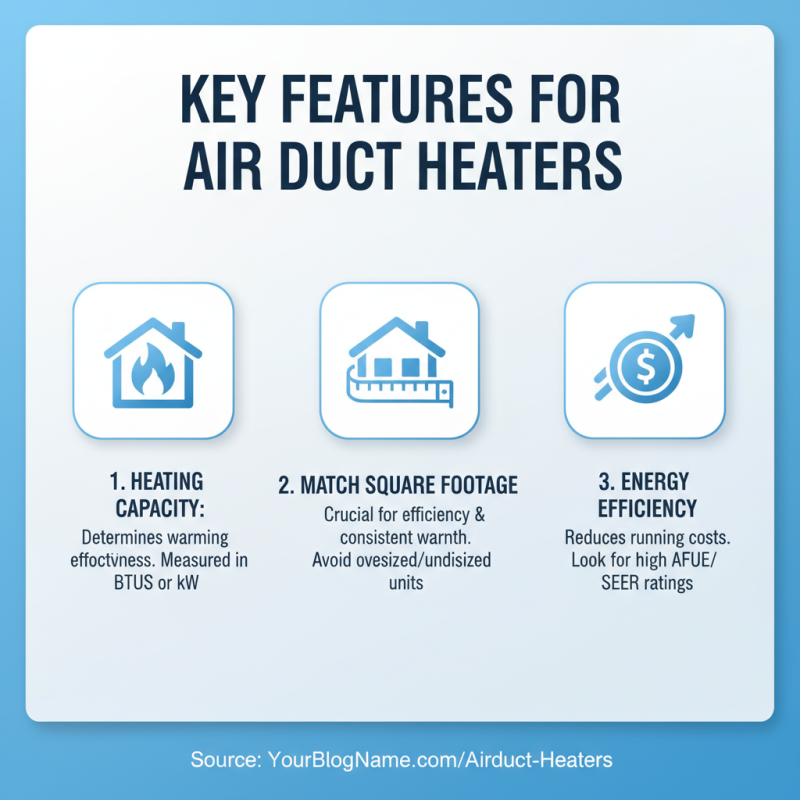
When considering airduct heaters, energy efficiency ratings play a crucial role. These ratings indicate how effectively a heater converts energy into heat. Higher efficiency often means lower energy bills and reduced environmental impact. A heater with a superior rating could save significant costs over time.
Understanding various ratings, such as AFUE or HSPF, helps make informed choices. AFUE represents Annual Fuel Utilization Efficiency. It measures furnace efficiency. HSPF stands for Heating Season Performance Factor, often applied to heat pumps. Both ratings provide valuable insights, but they can be confusing. Consumers may overlook the importance of these figures while shopping.
Additionally, an essential aspect is evaluating real-world performance. A highly rated unit may not perform well in certain environments. Research user experiences and reviews. This feedback can reveal potential shortcomings in specific models. Anecdotal evidence contributes to a broader understanding, highlighting the need for cautious optimism.
Airduct Heater Energy Efficiency Ratings
Maintenance Tips for Prolonging the Lifespan of Airduct Heaters
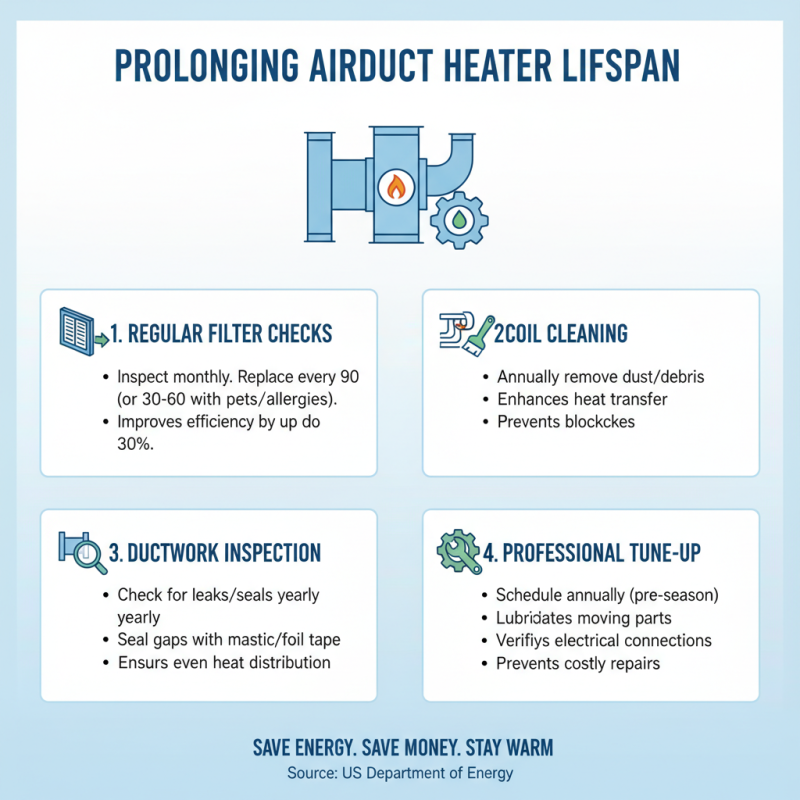
Maintaining your airduct heater is crucial for optimal performance and longevity. Regular upkeep can enhance efficiency, saving you energy and money. According to a study by the US Department of Energy, proper maintenance can improve heating efficiency by up to 30%. However, many homeowners overlook simple tasks that could prevent costly repairs.
One essential tip is to clean or replace air filters regularly. Clogged filters restrict airflow and lead to inefficiency. Aim to check filters at least once a month. Clean ducts are vital too. Dust and debris buildup can make heaters work harder than needed, raising energy costs. A professional duct cleaning every three to five years can also enhance air quality.
Another area often neglected is checking the thermostat. Ensure it’s functioning correctly. A malfunctioning thermostat can result in inconsistent temperatures and unnecessary energy use. Some users forget to inspect their systems before peak seasons. This can lead to issues that might require immediate attention as the heating demand increases.
It's also important to watch for strange noises or smells coming from your heater. Such indicators often signal underlying issues that need professional evaluation. By paying attention to these details, you can prolong the lifespan of your airduct heater and ensure optimal heating in your home.