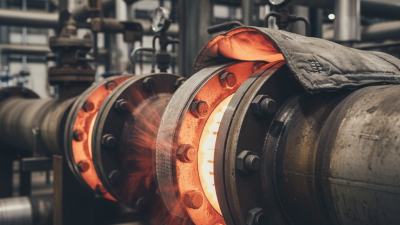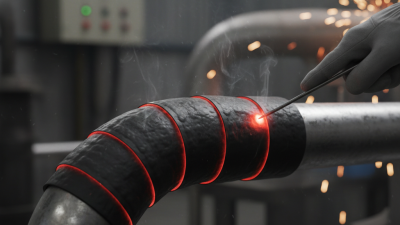
In the world of construction and road maintenance, the importance of a reliable Bitumen Heater cannot be overstated. Industry expert John Anderson, a senior engineer at BitumenTech, once stated, "Choosing the right Bitumen Heater can make or break the efficiency of a project." His insights reflect a common challenge faced by professionals in the field.
The market offers numerous options, but how do you identify the best ones? Knowledge about features, performance, and reliability is crucial. A high-quality Bitumen Heater ensures that asphalt is heated uniformly, preventing issues during application. An efficient heater saves time and materials, leading to better project outcomes.
As you consider your choices, keep in mind that not all heaters are created equal. Users often overlook energy efficiency and maintenance costs. This article will guide you through the top 10 Bitumen Heaters, highlighting their unique features and what professionals really think about them. Remember, informed decisions lead to successful projects in the long run.
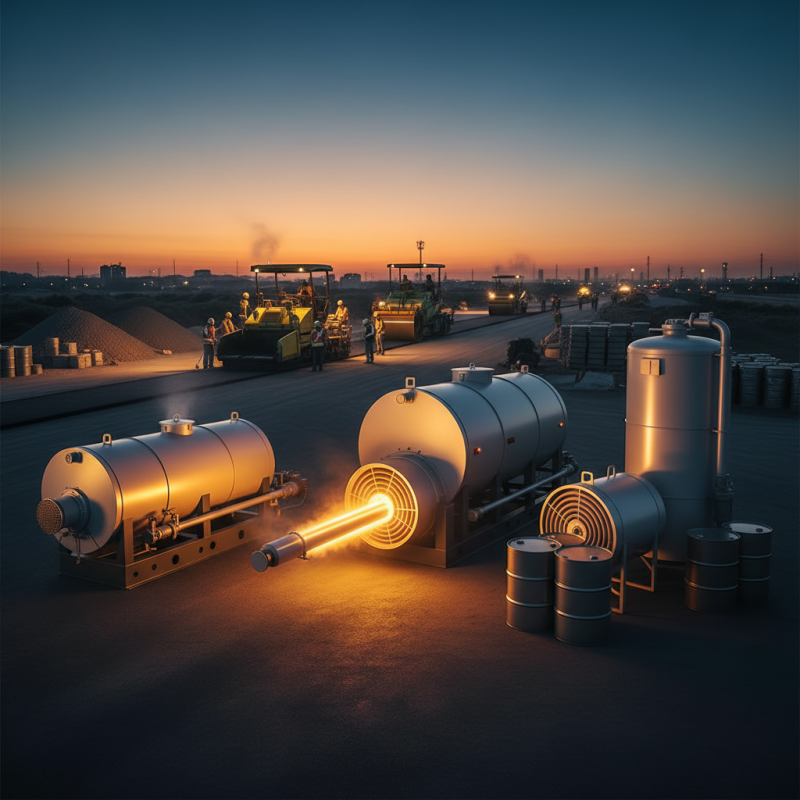
The role of bitumen heaters in asphalt production cannot be overstated. These devices are essential for maintaining the right temperature for bitumen, ensuring optimal performance in pavement applications. A report from the National Asphalt Pavement Association (NAPA) reveals that proper temperature control can improve the longevity and durability of asphalt mixtures. They highlighted that mixing temperatures between 290°F to 350°F significantly enhance the quality of the final product.
Efficient bitumen heaters also contribute to cost savings. According to industry standards, maintaining consistent temperatures helps reduce material wastage. It allows for a better blend of aggregates and minimizes the risk of production delays. However, many facilities overlook the importance of regular maintenance on these heaters. Neglecting maintenance can lead to uneven heating and increased energy consumption, ultimately impacting the production process.
Moreover, environmental considerations are becoming increasingly crucial in this industry. The focus on reducing emissions has led to innovations in heater designs. Energy-efficient models are now available, providing significant reductions in carbon footprints. Yet, some plants still rely on outdated systems, which may not comply with current regulations. Proper planning and investment in better technologies are necessary for future sustainability and compliance in asphalt production.
| Model | Heating Capacity (liters) | Temperature Range (°C) | Fuel Type | Weight (kg) | Usage |
|---|---|---|---|---|---|
| Model A | 400 | 150-200 | Diesel | 50 | Paving |
| Model B | 500 | 160-210 | Gas | 55 | Patchwork |
| Model C | 600 | 170-220 | Electric | 60 | Road Maintenance |
| Model D | 700 | 180-230 | Propane | 65 | Construction |
| Model E | 800 | 190-240 | Fuel Oil | 70 | Resurfacing |
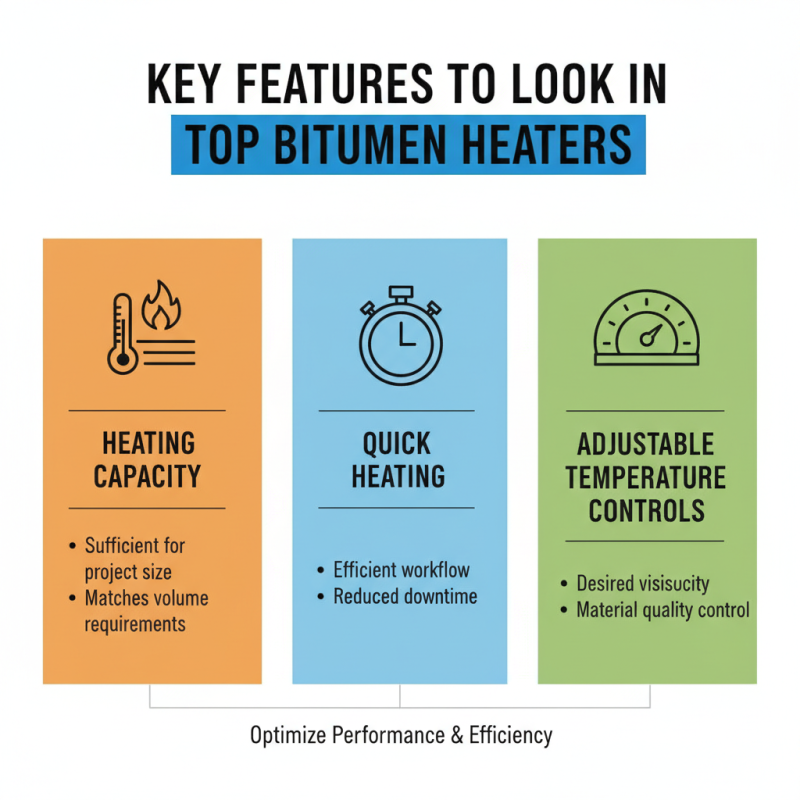
When choosing the best bitumen heaters, several key features will significantly impact performance. Consider the heating capacity; it should be sufficient for your project size. Look for models that facilitate quick heating, allowing for a more efficient workflow. A good heater will also have adjustable temperature controls to achieve the desired viscosity of bitumen.
Durability is another critical aspect. Bitumen heaters must withstand harsh conditions. Check for a solid construction that includes quality materials. Portable designs can be beneficial for site-to-site mobility. They should be easy to transport without compromising their robustness.
Safety features cannot be overlooked. Protective mechanisms like automatic shut-offs prevent overheating. Insulated handles help avoid burns during operation. While multiple features are essential, not every model excels in them. Therefore, research and evaluate user reviews for insights on real-world performance. The right heater should meet your specific requirements while offering reliability and efficiency on the job.
When comparing bitumen heater types, efficiency is a key metric. Different heaters offer varying benefits, impacting energy consumption and operational costs. Infrared heaters, for example, can heat bitumen quickly. Studies show that they may reduce heating time by up to 40%. However, their initial cost can be higher than other types.
Direct-fired heaters are more popular in construction projects due to their affordability. Research indicates they consume more fuel, which can lead to higher long-term expenses. Efficiency ratings indicate that these heaters have a thermal efficiency of around 80%. While they are effective, their environmental impact is a concern.
Electric heaters provide a cleaner alternative. They emit fewer pollutants and offer a reliable heat source. However, their heating capacity may lag behind oil-based systems. A recent report highlighted that electric models can operate effectively in confined spaces, reducing heat loss. Balancing efficiency and environmental considerations is crucial when selecting a bitumen heater. Understanding the advantages and limitations of each type helps inform better decisions.
Bitumen heaters play a crucial role in construction and road maintenance. Understanding industry standards and safety regulations is vital. According to the American National Standards Institute (ANSI), these heaters must meet strict guidelines to ensure safe operation. The National Fire Protection Association (NFPA) emphasizes fire safety, urging users to maintain clear zones around heaters. Regular inspections help prevent accidents and ensure compliance with local regulations.
In 2021, reports indicated that over 30% of bitumen heater failures stemmed from improper maintenance. Proper training for operators can significantly reduce risks. Monitoring temperature and pressure is essential. Studies show that maintaining the correct temperature within specified limits can improve efficiency and reduce energy consumption by up to 15%.
Despite advancements, there are still challenges. Users frequently overlook the importance of safety equipment. Many heaters lack adequate thermal insulation, leading to energy loss. Investing in quality insulation can improve performance. Operators must stay informed about updates in the industry standards to ensure safety and efficiency. Understanding these regulations is not just about compliance; it's about protecting personnel and assets.
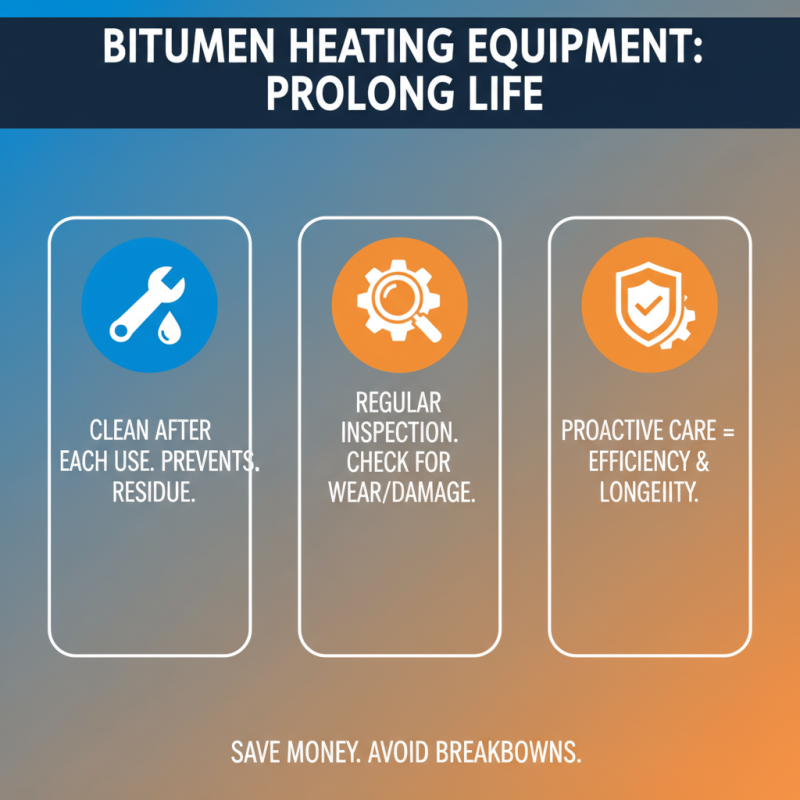
Maintaining bitumen heating equipment is crucial for longevity and efficiency. Regular care can prevent costly breakdowns. Clean the equipment after each use. Residue buildup can significantly affect performance. Inspect all components regularly for wear or damage.
Here are some effective tips. Check the heater's fuel supply. Ensure it is clean and free from impurities. Contaminated fuel can lead to poor ignition and inefficient heating. Monitor temperature settings meticulously. Proper temperature can extend the life of the heating elements.
Also, invest in quality insulation. Good insulation helps maintain heat and reduces energy costs. Store your equipment indoors when not in use. Exposure to the elements can cause rust and damage. Regularly refer to the manufacturer’s guidelines for maintenance practices. Even small oversights can lead to significant issues.