Ultimate Tips for Choosing a Reliable Bitumen Heater?
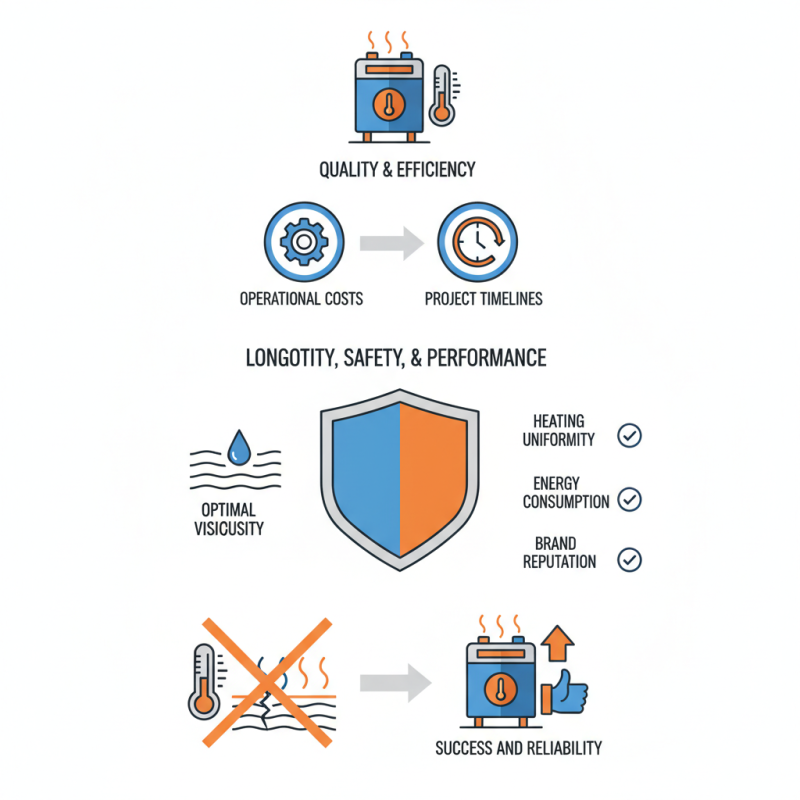
When it comes to selecting a reliable Bitumen Heater, industry experts highlight the importance of quality and efficiency. Renowned engineer John Smith, who has over 15 years of experience in thermal equipment, once stated, “The right Bitumen Heater can significantly reduce operational costs and improve project timelines.” This sentiment resonates strongly within the construction and paving sectors.
Choosing a Bitumen Heater is not just about price. It's about longevity, safety, and performance. A quality heater ensures that bitumen maintains optimal viscosity for application. Many overlook the details that can lead to inefficiencies. Factors like heating uniformity, energy consumption, and brand reputation should be at the forefront of decision-making.
In practice, many users have faced issues with poor heating systems. Some units fail to reach the desired temperatures or lack consistency. Reflecting on these shortcomings provides valuable insights. Understanding these pain points leads to better choices. Selecting the right Bitumen Heater is crucial for all construction professionals aiming for success and reliability.
Understanding Bitumen Heating Requirements for Your Project
When selecting a bitumen heater for your project, it’s essential to understand the heating requirements first. Bitumen’s viscosity changes with temperature, making consistent heating vital. The ideal temperature range typically falls between 150°C and 180°C. This ensures the bitumen is workable and easy to apply.
Consider the scale of your project. Smaller jobs may require portable heaters, while larger tasks benefit from high-capacity units. Pay attention to the heater's capability to maintain temperature. Fluctuations can affect the quality of the final product. Built-in thermoregulators can offer a more stable heating process.
Beyond just capacity, efficiencies matter too. Look for heaters that maximize fuel use. Not all heaters perform equally. Some may heat faster but consume excessive fuel. It’s essential to weigh the pros and cons of various heating methods. Regular maintenance also plays a role. A poorly maintained heater can lead to uneven heating. This can compromise your project’s integrity.
Ultimate Tips for Choosing a Reliable Bitumen Heater
The chart below illustrates the typical heating requirements for different types of bitumen heaters used in construction projects. This data can help you understand the thermal efficiency and power ratings necessary for effective bitumen heating.
Factors to Consider When Selecting a Bitumen Heater
When selecting a reliable bitumen heater, understanding key factors is crucial. Investigations indicate that over 30% of bitumen heating failures stem from inadequate temperature control. Choosing a heater with precise temperature regulation ensures optimal performance. Look for models that can maintain stable temperatures, within a range of 160-180°C, minimizing the risk of overheating or cooling that may affect the quality of bitumen.
Another aspect to consider is the heater’s energy efficiency. Industry data reveals that inefficient heaters can significantly raise operational costs. Models that utilize advanced insulation techniques prevent heat loss, translating to lower energy consumption. A heater with an insulation efficiency above 90% can help to reduce energy bills and carbon footprint, an important consideration in today’s environmentally conscious market.
Durability is also essential. Many heaters are exposed to harsh working conditions. Selecting a heater made from robust materials, resistant to corrosion and physical wear, prolongs its lifespan. Regular maintenance must be factored in as well. Heaters require periodic checks to ensure all components function correctly. Creating a maintenance schedule can help avoid costly repairs and downtime.
Ultimate Tips for Choosing a Reliable Bitumen Heater
| Factor |
Description |
Importance Level |
| Heating Efficiency |
Evaluate how quickly and evenly the heater warms the bitumen. |
High |
| Temperature Control |
Check for precise temperature regulation features. |
High |
| Durability |
Assess the materials used and the overall construction quality. |
Medium |
| Fuel Source |
Determine the types of fuels the heater can operate with (diesel, propane, etc.). |
Medium |
| Safety Features |
Look for automatic shut-off, overheat protection, and other safety mechanisms. |
High |
| Portability |
Consider the weight and ease of moving the heater, especially on job sites. |
Low |
| Maintenance Requirements |
Review how easy it is to maintain and service the heater. |
Medium |
| Cost |
Balance the initial purchase price with expected performance and longevity. |
High |
| Warranty and Support |
Confirm the length and coverage of the warranty and availability of customer support. |
Medium |
Types of Bitumen Heaters and Their Specific Uses
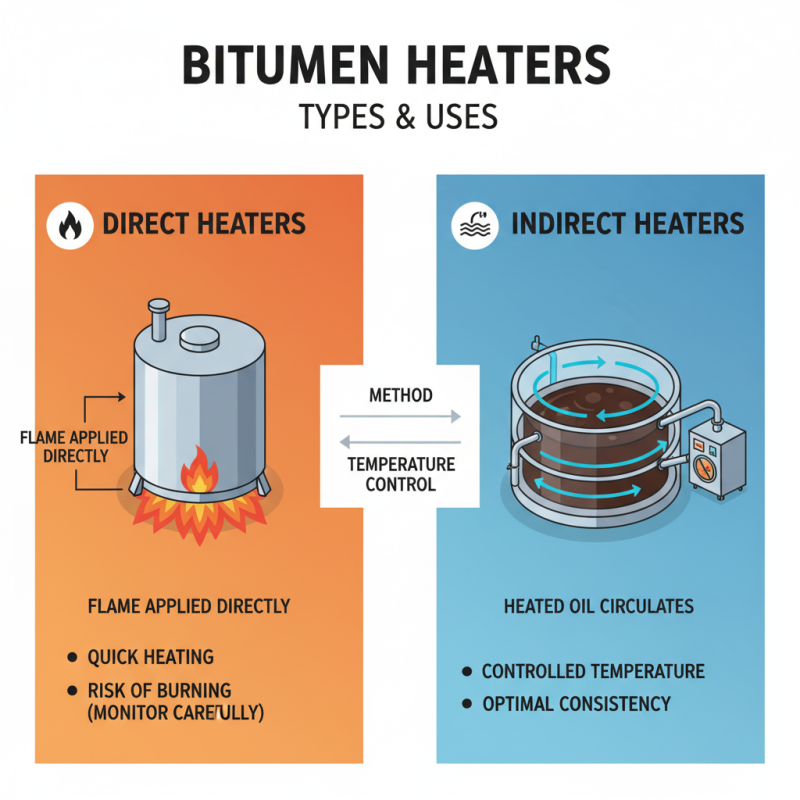
When exploring bitumen heaters, understanding the various types is essential. Common options include direct and indirect heaters. Direct heaters use flame to heat bitumen. They offer quick heating but can risk burning the material if not monitored properly. Indirect heaters, on the other hand, circulate heated oil around the bitumen tank. This method provides a more controlled temperature, ensuring the bitumen remains at optimal consistency.
Another important type is the electric bitumen heater, which is becoming increasingly popular due to its efficiency. According to a report from the Asphalt Institute, electric heaters can reduce energy consumption by up to 30%. These heaters are ideal in urban settings where emissions regulations are stringent. However, they may not achieve the same heating rates as traditional heaters. It's crucial to consider the specific application when choosing a heater type.
Inspecting the efficiency ratings of bitumen heaters is also vital. A heater with poor thermal efficiency can lead to higher operational costs. The industry standard generally suggests an efficiency rate of at least 85%. Maintaining a heater's condition can impact performance significantly. Even minor issues can lead to flaws in bitumen preparation. Regular checks help prevent costly repairs and ensure quality output.
Evaluating Safety Features in Bitumen Heating Equipment
When selecting a reliable bitumen heater, safety features should take priority. According to industry reports, about 30% of accidents in construction involve equipment failures. A bitumen heater must be equipped with essential safety mechanisms to reduce these risks.
Look for models with automatic shut-off valves. These can prevent over-pressurization, a common cause of equipment failure. Additionally, heaters with temperature control sensors ensure that temperatures remain within safe limits. Such features can significantly limit accidents. Furthermore, ensure there’s adequate thermal insulation to minimize heat loss and mitigate fire hazards.
Regular maintenance checks are vital. Equipment that isn’t properly serviced often poses risks. Over time, wear and tear can compromise safety features. Reviewing operational logs can reveal patterns leading to potential hazards. Operators should be trained to recognize when equipment needs service. These steps can protect not only equipment but also the workforce.
Selecting a bitumen heater is not merely about performance. Safety must be an integral part of the decision. Investing in safety features can lead to smoother operations and reduced accident rates. Prioritize these factors.
Maintenance Tips for Ensuring Reliable Performance of Bitumen Heaters
Maintaining a bitumen heater is crucial for ensuring long-term performance. Regular inspections can prevent unexpected breakdowns. Inspect seals and joints for any signs of wear or damage. It's easy to overlook these small areas, but they play a vital role in the operation.
Cleaning the heater should be a routine task. Make sure to remove any soot or debris that accumulates. This can significantly affect efficiency and lead to overheating. Pay attention to the burners; they should be clear to ensure proper combustion.
Finally, the heating element must be monitored closely. Watch for signs of temperature inconsistencies. If the heater doesn't reach the desired temperature promptly, it’s time for a professional evaluation. Neglecting these details may result in larger, costly repairs. An uninformed approach to maintenance can significantly reduce your heater's lifespan.