2026 Best Flange Heating Solutions for Efficient Industrial Heating?
In the industrial heating sector, efficiency is crucial. Flange heating solutions have gained popularity for their effectiveness. As we approach 2026, understanding the best flange heating options becomes essential for industries aiming to optimize processes.
Flange heating offers uniform heat distribution. This prevents hotspots and ensures safety. Advanced technologies enhance energy efficiency. Surveys indicate that companies using flange heating report lower energy costs. However, choosing the right system is not always straightforward. Many options exist, each with specific benefits and challenges.
Evaluating available products can be daunting. Some solutions may underperform in unique applications. It's important to consider various factors, including installation and maintenance. Not all systems are created equal. Take time to assess the available solutions to make the best choice.
Overview of Flange Heating Solutions in Industrial Applications
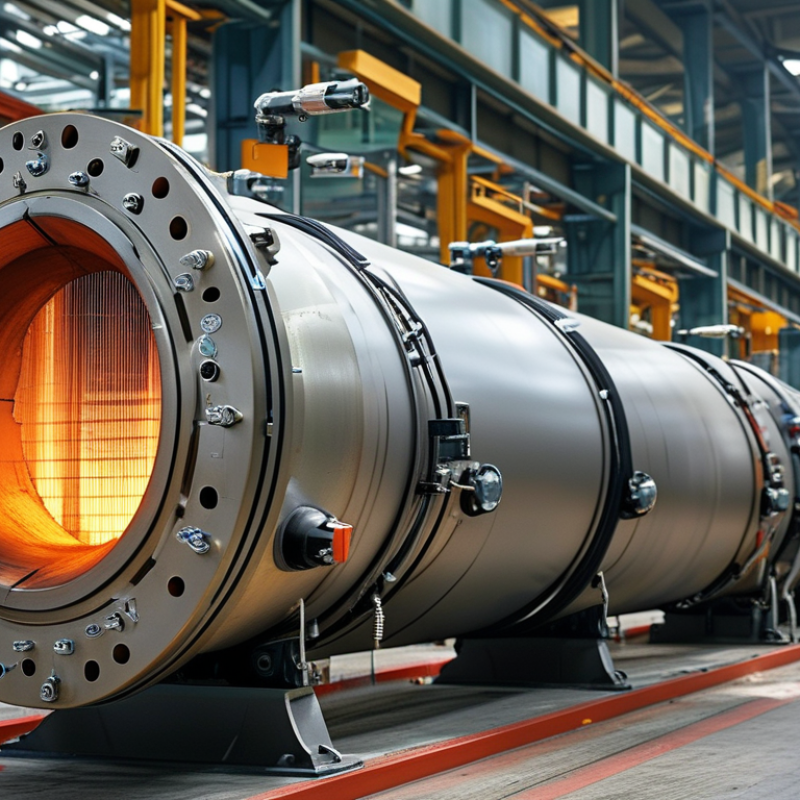
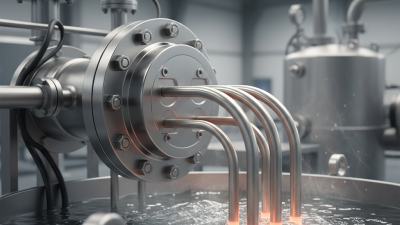
Flange heating solutions play a crucial role in various industrial applications. These systems are designed to provide efficient and uniform heat distribution to flanged pipe connections. Effective flange heating is essential in processes like oil and gas operations, where temperature fluctuations can significantly affect performance. Studies show that consistent heating can improve operational efficiency by up to 30%.
In industries where thermal control is vital, flange heating solutions help maintain optimal conditions for equipment. For instance, in chemical processing, preventing the formation of solids near flanges ensures smooth operation. However, many users overlook the importance of regular maintenance. A neglected heating system can lead to inefficiencies, resulting in increased energy costs and downtime.
Various technologies are available to meet unique industrial demands. Options include electric heating jackets, which provide flexibility and easy installation. Infrared heating is also an option that offers quick heating times and precise temperature control. However, selecting the right solution often requires careful consideration of specific application needs. Companies should ensure they are informed about the various solutions and their long-term impacts.
Advantages of Using Flange Heaters for Efficient Heating
Flange heaters are becoming increasingly popular in industrial heating applications. They offer distinct advantages that enhance efficiency. One key benefit is their direct heating capability. Flange heaters attach directly to vessels, ensuring heat is applied precisely where it's needed. This efficiency reduces energy waste and optimizes performance.
Another advantage lies in their adaptability. Flange heaters can be customized for various sizes and shapes of equipment. They work well with heated oils, water, or certain chemicals. This versatility allows industries to meet specific heating demands without extensive modifications. It also allows for more streamlined installations.
However, installation can sometimes be challenging. Flange fittings must align perfectly to avoid leaks. Maintenance is also essential, as improper care can lead to inefficiencies. Regular inspections can identify issues early, preventing costly downtime. A critical eye can significantly improve long-term performance. Investing time in understanding your heating needs and monitoring the system can yield substantial benefits.
2026 Best Flange Heating Solutions for Efficient Industrial Heating
| Feature |
Description |
Advantages |
Efficiency Rating |
| Material Type |
Stainless Steel |
Corrosion resistant |
85% |
| Power Range |
500W - 2000W |
Versatile for various applications |
90% |
| Temperature Range |
Up to 400°C |
High-temperature efficiency |
88% |
| Installation Type |
Flanged Mounting |
Easier assembly and maintenance |
92% |
| Safety Features |
Overheat protection |
Increased safety in operations |
95% |
Key Factors to Consider When Choosing Flange Heating Solutions
When selecting flange heating solutions for industrial applications, several key factors must be evaluated. Temperature consistency is crucial. A uniform heat distribution can significantly affect the efficiency of processes. According to recent studies, up to 25% of energy can be wasted on poor heating systems. This highlights the importance of choosing an effective solution that minimizes heat loss.
Material compatibility also plays a vital role. The selected heating solution should be suitable for the materials being heated. Using incompatible materials may lead to breakdowns and unscheduled maintenance. Innovations in heating technology show that advanced materials can enhance performance while reducing production costs. It’s essential for users to stay informed about how these advancements can change their systems.
Tip: Regularly monitor the performance of heating solutions to identify any inefficiencies. Implementing ongoing maintenance checks can extend the life of your heating devices. Additionally, consider integrating sensors for real-time monitoring. Such proactive measures ensure optimal performance, supporting both safety and reliability. With these factors in mind, choosing the right flange heating solution becomes clearer and more focused on maximizing operational efficiency.
Comparison of Different Flange Heating Technologies
Flange heating technologies vary in efficiency and application.
Radiant heat, widely used in process heating, offers
uniform temperature distribution. It minimizes hot spots
and maximizes energy efficiency. Electric band heaters are another option. They excel in direct heat application,
providing rapid temperature changes. However, they may
cause overheating if not monitored carefully.
Induction heating is innovative. It efficiently heats
conductive materials without direct contact. This method significantly reduces energy loss. Yet, it requires
specialized equipment and expertise. The initial investment can be high,
leading to concerns about budget constraints. On the other hand, silicone rubber heaters are flexible and
easy to install. Their versatility allows for various applications, but they may lack durability in extreme conditions.
Each technology has its pros and cons. The choice often depends on specific industrial needs, including
budget, efficiency,
and installation complexity. In certain cases, a
combination of methods could yield the best results. It’s essential to evaluate the long-term benefits
versus the upfront costs. Trial and error
may be part of the decision-making process, emphasizing the need for careful consideration.
Maintenance and Safety Tips for Flange Heating Systems
Maintaining flange heating systems is crucial for ensuring safety and efficiency in industrial settings. A recent report highlighted that poorly maintained heating systems can lead to energy losses of up to 30%. Regular inspections help identify wear, leaks, and potential failures before they lead to costly downtimes. Implementing a routine maintenance schedule can improve system longevity and reliability.
Safety is paramount when operating flange heating systems. The Occupational Safety and Health Administration (OSHA) emphasizes that proper training for operators can reduce accidents significantly. They report that 40% of workplace injuries stem from improper equipment handling. Workers should be familiar with emergency procedures and the specific characteristics of the heating system in use. Moreover, advanced safety features, such as automatic shut-offs and temperature controls, are increasingly recommended to enhance operational safety.
Flange heating systems necessitate careful monitoring. Operators should log temperatures and any fluctuations diligently. Data shows that systems operating above recommended temperatures can fail early, impacting operational efficiency. A culture of safety and care in handling these systems is key. It would be prudent to embrace new technologies that provide monitoring alerts, allowing for quick responses to potential issues.