Top 5 Flanged Heater Tips for Efficient Heating Solutions?
In the quest for efficient heating solutions, Flanged Heaters stand out as a vital component in various industrial applications. According to a report by Research and Markets, the industrial heating market is projected to grow significantly, emphasizing the need for effective heating technologies. Flanged heaters, known for their durability and versatility, play a crucial role in various sectors, including chemical processing and food production.
Flanged heaters provide precise temperature control, enhancing operational efficiency. Industries report that integrating these heaters can lead to energy savings of up to 30%. Despite their benefits, improper installation or maintenance can compromise their efficiency. Regular inspections and adherence to manufacturer specifications are essential to ensure optimal performance.
However, misconceptions often arise regarding their capabilities. Some users underestimate the importance of matching heater size to application needs. This can lead to underperformance or excessive energy costs. Educating stakeholders about the intricacies of Flanged Heaters is necessary to maximize their potential in delivering efficient heating solutions.
Understanding Flanged Heaters: An Overview of Their Functionality
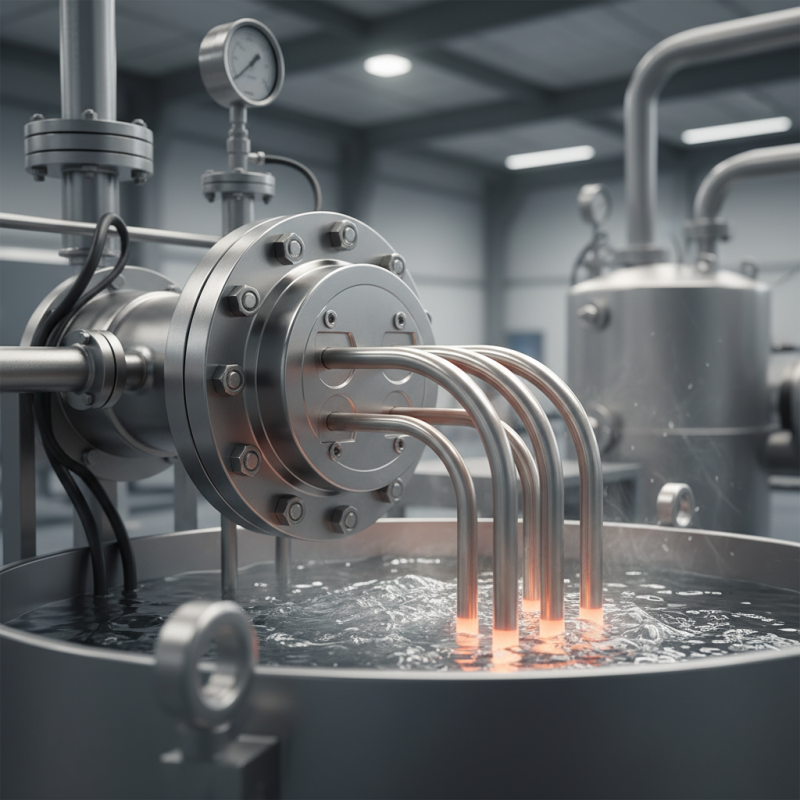
Flanged heaters are essential for various industrial applications. These devices efficiently transfer heat to liquids or gases. Understanding their functionality can help optimize your heating solutions. A recent report by the International Energy Agency indicates that properly maintained heating systems can improve energy efficiency by up to 30%.
When using flanged heaters, consider optimizing thermal insulation. This can significantly reduce heat loss, ensuring more efficient operation. Regular maintenance checks are crucial. Ignoring them can lead to performance issues and increased energy consumption.
Additionally, select the right watt density for your application. High watt densities can cause overheating, while low densities may not deliver adequate heating. Balance is vital for efficiency. Monitoring the heating fluid’s temperature can also provide insights into system performance. Reliable data shows that regular monitoring can help identify inefficiencies early, potentially saving costs.
Top 5 Flanged Heater Tips for Efficient Heating Solutions
| Tip |
Description |
Benefits |
Considerations |
| 1. Proper Sizing |
Select a flanged heater that matches your system's specifications. |
Maximizes efficiency and reduces energy consumption. |
Consult with an engineer for accurate sizing. |
| 2. Quality Materials |
Use high-quality materials to ensure durability. |
Increases lifespan and reliability of the heater. |
Balance cost versus quality for best results. |
| 3. Regular Maintenance |
Implement a routine inspection and maintenance program. |
Prevents breakdowns and prolongs heater life. |
Set maintenance schedules to avoid downtime. |
| 4. Effective Insulation |
Ensure proper insulation around the heater. |
Minimizes heat loss and enhances efficiency. |
Check insulation integrity regularly. |
| 5. Control Systems |
Utilize advanced control systems for monitoring. |
Optimizes operation for maximum energy efficiency. |
Invest in smart technology for better control. |
Selecting the Right Flanged Heater for Your Heating Needs
Selecting the right flanged heater can significantly impact your heating efficiency. Start by considering the heating capacity you need. Assess the size of the space you want to heat. A small flanged heater may suffice for a compact area, but larger spaces demand more robust options.
Pay attention to the material of the heater. Stainless steel and cast iron are common choices, yet each has distinct properties. Stainless steel offers corrosion resistance, while cast iron excels in heat retention. Be clear about your priorities; sometimes, one material may outperform another in specific environments.
Also, think about the installation process. Certain flanged heaters are easier to install than others. Poor installation can lead to safety hazards or inefficiencies in heating. Weighing these factors may prevent costly mistakes. Moreover, take time to review user experiences and gather insights on various models. The information available is vast, yet not all of it is reliable. Knowing who to trust can save you from wrong decisions.
Top 5 Flanged Heater Tips for Efficient Heating Solutions
This bar chart illustrates the importance rating of the top five tips for selecting a flanged heater. Each factor is rated on a scale from 1 to 10, where 10 indicates the highest importance. Selecting the right size and considering the material are crucial for achieving efficient heating solutions.
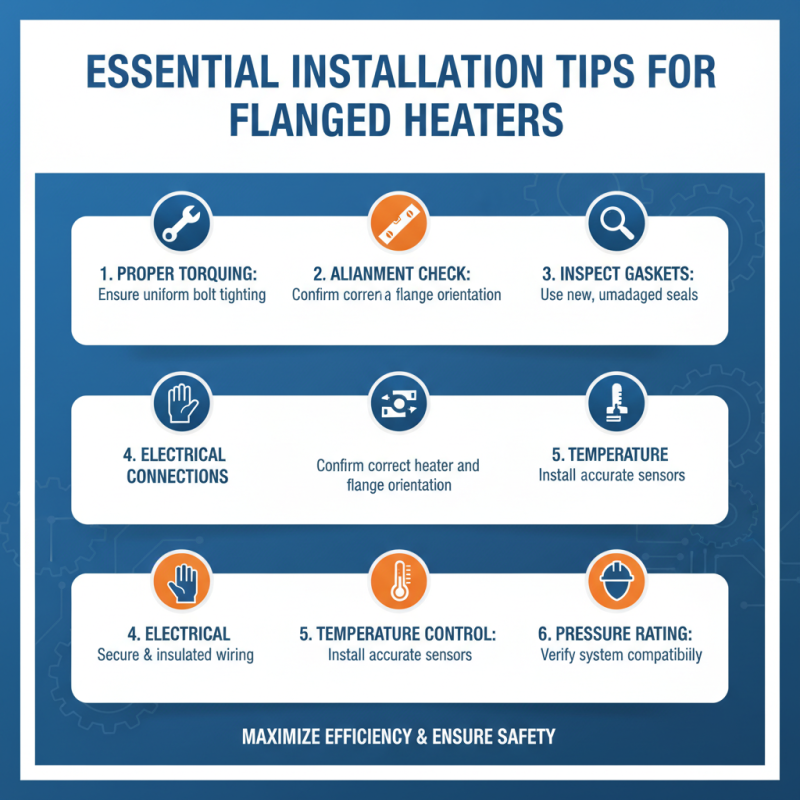
Essential Installation Tips for Flanged Heaters
Flanged heaters are crucial in many industrial applications, providing consistent and reliable heating solutions. Proper installation is key to maximizing efficiency and ensuring safety. Experts recommend focusing on the following essential tips.
One important aspect is ensuring correct sizing. Industry studies indicate that improperly sized heaters can lead to energy inefficiency. A heater that is too small may not meet the demand, while one that is too large can waste energy and lead to higher operational costs. Always evaluate the specific heating requirements of your application to select the right flanged heater.
Another critical tip is to check compatibility with the medium being heated. Each flanged heater material should match the characteristics of the fluid or gas. Compatibility prevents corrosion and ensures longevity. Installation professionals often emphasize the significance of proper sealing techniques to avoid leaks, which can compromise efficiency.
Finally, performing regular maintenance is essential for optimal performance. A study from the Energy Efficiency Alliance highlights that up to 30% of energy can be wasted due to neglected heating systems. Schedule routine inspections and cleaning to maintain efficiency. Remember, even minor oversights can lead to significant energy losses over time. Prioritizing diligent installation and maintenance will yield long-term benefits.
Maximizing Efficiency: Best Practices for Operating Flanged Heaters
Flanged heaters are vital in various industrial applications. To optimize their efficiency, operators must adopt the best practices. Regular maintenance is crucial for keeping these heaters functioning well. Periodically check for signs of wear or damage. This can prevent unexpected breakdowns and costly downtimes.
Proper insulation around the flanged heater improves heat retention. Without insulation, valuable energy is lost. Use high-quality materials that can withstand temperature fluctuations. Positioning the heater at the right angle can also enhance heat distribution. Consider the layout of your pipes and equipment to achieve the best results.
Operators sometimes overlook thermal bonding. Ensuring a good connection between the heater and the surface area allows for better heat transfer. If the bonding is inadequate, energy efficiency decreases. Regularly revisit operational practices to identify any areas needing improvement. Each adjustment can lead to significant energy savings over time.
Maintenance Strategies to Extend the Life of Flanged Heaters
Maintaining flanged heaters is essential for optimal performance. Regular checks can prevent unexpected breakdowns. Always inspect for signs of wear, such as cracks or corrosion. This proactive approach ensures long-term reliability. Noticing minor issues early can save substantial repair costs later.
Cleaning flanged heaters is crucial. Dust and residue can accumulate quickly, affecting efficiency. Use appropriate cleaning solutions and techniques. Avoid abrasive materials that might damage the heater. A consistent maintenance schedule promotes better heat transfer, which is vital for industrial applications.
Monitoring operational settings is key. Overheating or underheating can signal underlying problems. Understanding the heater’s parameters helps identify when adjustments are necessary. Documenting these changes can provide insights over time. However, it’s essential to be aware that not all adjustments yield immediate improvements. Testing various metrics can lead to more efficient heating solutions.