How to Choose the Best Water Heat Rod for Your Needs?
Choosing the right Water Heat Rod can significantly impact your heating efficiency and overall comfort. With various options on the market, it can be challenging to determine which product best meets your needs. Understanding factors such as wattage, material, and installation requirements is crucial.
It's important to acknowledge that not all heat rods are created equal. Some may lack durability or efficiency. Consider how often you will use the rod and the water volume it needs to handle. A higher wattage may heat water faster, but it also consumes more energy. Balancing power and cost-effectiveness is key.
Furthermore, consulting experts and reading reviews provides insights into product performance. You might find some products pose unexpected challenges during installation or maintenance. Reflect on user experiences to make an informed choice. Investing in a reliable Water Heat Rod can enhance your daily life, making it worth the research.
Understanding the Basics of Water Heat Rods and Their Functions
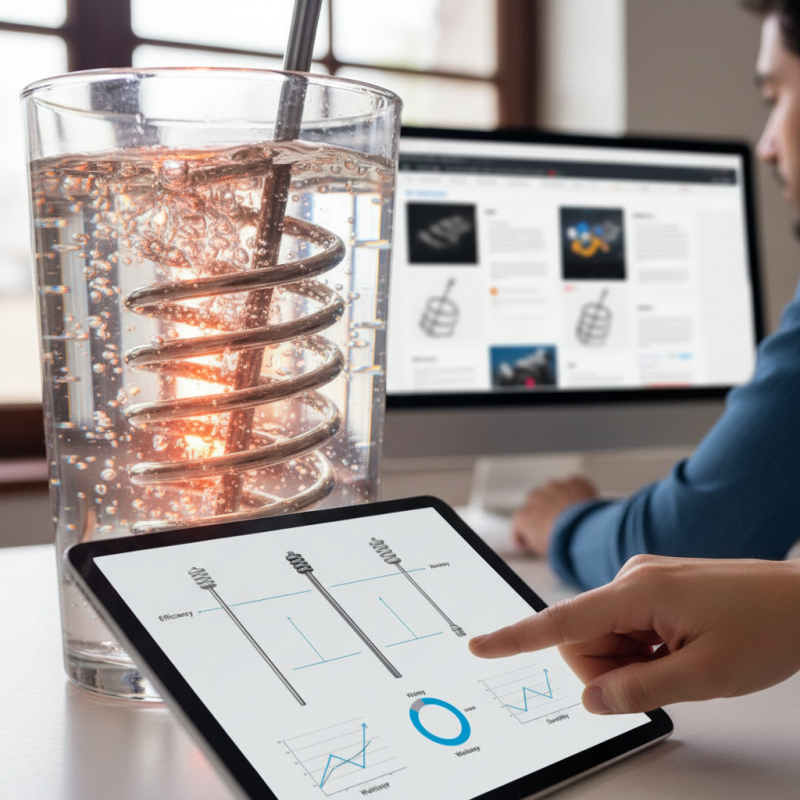
Water heat rods are vital in various applications, including aquariums, water storage tanks, and industrial processes. Understanding how they function can significantly impact your choice of rod. These devices heat water efficiently through conductive materials. The basic design typically involves a heating element that generates warmth when electricity passes through it.
The average efficiency of water heat rods can reach 90% under optimal conditions. However, this can vary based on the material quality and insulation. Research indicates improper insulation can lead to energy losses of up to 40%. This inefficiency raises operational costs and affects performance. Users often overlook the importance of wattage; choosing the wrong wattage can lead to inadequate heating or overheating.
When selecting a water heat rod, consider the heating capacity needed for your specific application. Industry guidelines suggest that for every gallon of water, about 0.1 watts is required to achieve desired temperatures. However, this is not a one-size-fits-all solution. Users must evaluate their unique needs, sometimes leading to trial and error. Reflecting on these factors can ensure you choose the right device for your requirements effectively. Making informed decisions based on these basic functions can guide users toward the best water heat rod for their needs.
How to Choose the Best Water Heat Rod for Your Needs?
| Criteria |
Description |
Recommended Features |
| Power Rating |
The power output typically measured in watts. |
Choose a rod with suitable wattage for quick heating. |
| Material |
Material can affect durability and heating efficiency. |
Stainless steel is corrosion-resistant and durable. |
| Size |
Length and diameter of the rod impact the heating area. |
Select a size compatible with your container. |
| Temperature Control |
Ability to control the heating temperature. |
Look for rods with adjustable temperature settings. |
| Safety Features |
Features that prevent overheating and potential hazards. |
Overheat protection and auto shut-off are recommended. |
| Warranty |
Duration of the warranty provided by the manufacturer. |
Choose a product with a longer warranty for reliability. |
Key Factors to Consider When Choosing a Water Heat Rod
Choosing the right water heat rod can be a daunting task. Start by evaluating the wattage. Higher wattage translates to faster heating. However, too high wattage may lead to overheating. It's crucial to strike a balance based on your specific needs. For instance, if you only need to heat small quantities of water, a lower wattage rod might suffice.
Another vital factor is the rod's material. Stainless steel rods are durable and resistant to rust, making them a popular choice. However, they might conduct heat less efficiently than copper rods. Weigh the benefits of durability against efficiency as you make your choice. Keep in mind that the water's mineral content can also influence the rod's lifespan. Hard water can lead to scale buildup, potentially decreasing efficiency.
Safety features should never be overlooked. Look for rods equipped with automatic shutoff mechanisms to prevent accidents. These features ensure safe operations, especially in households with children. Reflect on your specific situation, including your water needs and safety concerns, to make the best choice. In the end, careful consideration of these factors will help you find the most suitable water heat rod.
Types of Water Heat Rods: Which One Suits Your Needs?
Choosing the right water heat rod can be challenging. Understanding the different types available is essential. Each type serves specific purposes and needs.
Immersion heaters are one option. They are designed to be submerged in water. These rods heat the water quickly. Consider the material of the rod. Stainless steel is durable. It resists corrosion better than other materials. However, it may be more expensive.
Another type is the inline heater. This can be installed directly into the water line. It heats water as it flows. This option is energy-efficient. Inline heaters require proper installation. Hiring a professional is advisable for optimal results.
For your needs, consider your
water usage. If you need quick heating, immersion rods work well. For consistent hot water, inline heaters may be better. Assess your space and energy sources, too. The right choice depends on your specific situation.
Tips: Always check the wattage before purchase. Higher wattage means faster heating. Think about safety features. Some heaters have
overload protection, which enhances reliability.
Evaluating Energy Efficiency and Cost-Effectiveness
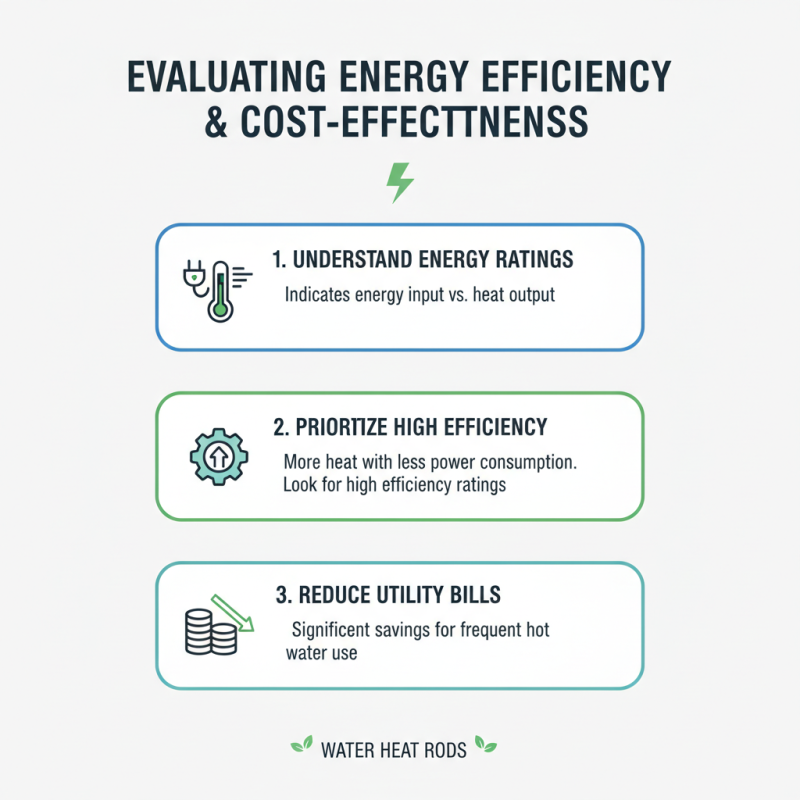
When evaluating energy efficiency and cost-effectiveness in water heat rods, start by understanding their energy ratings. These ratings indicate how much energy a rod uses compared to its heating output. Look for models that maintain a high efficiency rating while drawing minimal power. This can significantly impact your utility bills, especially if you use hot water frequently.
Consider the initial cost of the heating rod along with its lifespan. A higher upfront investment may lead to lower long-term costs. However, make sure to account for installation expenses too. These can vary widely and may affect your overall budget. It’s wise to analyze these factors before making a purchase.
Reflect on your actual needs. Do you require a high-capacity rod for frequent hot water use? Or would a smaller, less powerful model suffice? Sometimes, less is more. If your usage is sporadic, a more basic, lower-cost option may serve you better. Engage in careful consideration of both current and future needs to avoid overpaying for features you may never use.
Installation and Maintenance Tips for Optimal Performance
Proper installation and maintenance of a water heat rod are crucial for optimal performance. Start by ensuring that the unit is securely mounted. Check the manufacturer's instructions for specific guidelines. A tight connection prevents leaks and inefficiency. Use a level to ensure the rod is even. Misalignment can lead to uneven heating.
Regular maintenance is essential for longevity. Inspect the rod periodically for signs of corrosion. If you notice any rust, it may be time for a replacement. Clean the area around the heat rod to allow for proper air circulation. Dust and debris can accumulate, affecting performance.
Tips for maintaining your water heat rod include flushing the system every six months. This helps remove sediment buildup that can hinder efficiency. Consider setting a reminder for yourself. Additionally, ensure the thermostat settings are correct. An improperly set thermostat can lead to excessive energy use or inadequate heating. Regular checks can save you money in the long run.
Water Heat Rod Efficiency Based on Power Rating
This bar chart illustrates the heating efficiency of water heat rods based on their power ratings. As the power rating increases, the heating efficiency improves, demonstrating the relationship between power and performance.