How to Choose the Right Heater Tubular for Your Needs?
When purchasing a Heater Tubular, it’s essential to consider specific requirements for optimal performance. Industry expert John Smith, a noted authority in heating technologies, once stated, “Choosing the right heater can enhance efficiency and safety.” This wisdom emphasizes understanding your unique needs.
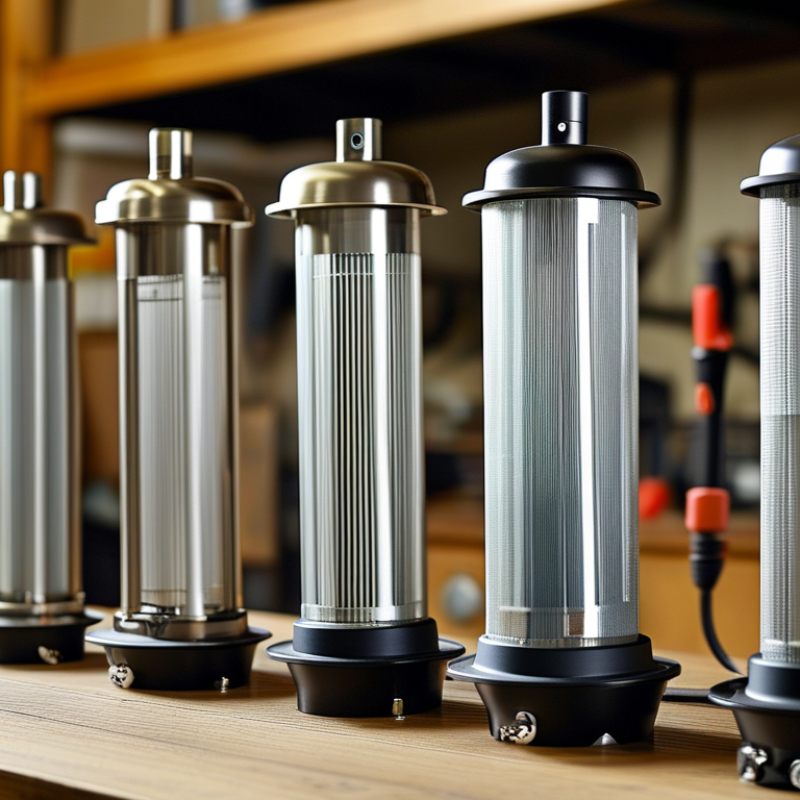
Heater Tubulars come in various styles and specifications. Whether used for industrial processes or home heating, each application demands careful thought. Factors like wattage, material, and size profoundly impact effectiveness. Choosing poorly may lead to inefficiencies or unsafe conditions.
It's easy to underestimate the importance of these factors. Yet, taking the time to analyze your requirements can prevent costly mistakes. The right Heater Tubular not only meets your needs but also provides reliability and longevity. As the market expands, staying informed is vital for making educated choices.
Understanding Different Types of Heater Tubulars Available in the Market
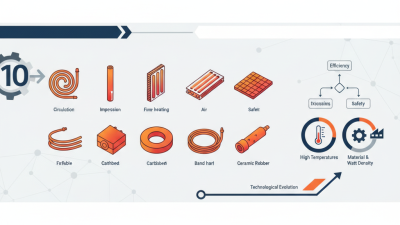
When choosing the right heater tubular, it's vital to understand the variety of options available. There are three primary types: electric, gas, and fluid heater tubulars. Each type has distinct applications and operational mechanisms. According to the International Energy Agency (IEA), electric heater tubulars typically account for 38% of residential heating systems in developed countries. They are popular for their straightforward installation and energy efficiency.
Gas heater tubulars, preferred for industrial uses, can generate higher temperatures. Their flexibility makes them suitable for various heating tasks. However, the efficiency can vary significantly. A report by the Department of Energy (DOE) noted that while gas heater tubulars offer rapid heating, they may incur higher operational costs if poorly maintained. This highlights the importance of regular servicing.
Fluid heater tubulars, commonly used in commercial settings, operate on different principles. They utilize heated fluids circulated via a closed-loop system, ensuring consistent temperature control. The energy efficiency for fluid heater tubulars varies based on the system design. The lack of standardization in design and installation can pose challenges during selection. Users must evaluate their specific needs and consult relevant guidelines to optimize performance.
Assessing Your Heating Needs Based on Space and Usage Requirements
When selecting a tubular heater, it’s essential to assess your heating needs based on your space and usage requirements. Start by analyzing the size of the area you want to heat. A small room may only need a compact heater, while larger spaces require more power. Measure the dimensions accurately. This can help avoid under or overestimating the heater's capacity.
Consider the purpose of the heating. Is it for comfort, or do you need it for specific tasks? For instance, if you're heating a workshop, you might need a more robust option. Think about the insulation of your space too. Drafty rooms require more energy to maintain warmth. Not all solutions fit all needs, so reflect on what you truly require.
Lastly, evaluate the usage frequency. If the heater will be used daily, efficiency is crucial. A less efficient model can increase energy bills significantly. Check for features that match your routine. Simple adjustments can have a considerable impact. Understanding your unique needs is vital for making the right choice. Each decision should be deliberate and informed.
Evaluating Energy Efficiency Ratings and Features of Heater Tubulars
When selecting a heater tubular, energy efficiency is a key factor. Look for the energy efficiency ratings that indicate how well the heater converts energy into heat. Higher ratings usually mean lower running costs. Check for features like adjustable thermostats. This can help you manage your energy use effectively. Consider models with multiple heat settings for flexibility.
It’s important to evaluate how a heater fits your space. Some rooms may need more or less heat. An energy-efficient model might not perform well if it’s too small for your area. The material of the heater also plays a role. Metal heaters often provide better heat retention than plastic ones. Your choice should also reflect safety features like automatic shut-off. These features can prevent overheating and provide peace of mind.
Reflect on your specific heating needs. A heater that works well in one setting may not be suitable elsewhere. Research is essential. Take the time to read reviews and compare options. Speak to professionals if necessary. Your comfort and safety depend on making an informed choice. Assess the range of options available, but remember that what's best for one person may not suit another.
How to Choose the Right Heater Tubular for Your Needs? - Evaluating Energy Efficiency Ratings and Features of Heater Tubulars
| Model |
Power (W) |
Energy Efficiency Rating |
Heating Area (sq ft) |
Features |
Price ($) |
| Model A |
1500 |
A++ |
200 |
Thermostat Control, Overheat Protection |
120 |
| Model B |
2000 |
A+ |
300 |
Digital Control, Timer Function |
150 |
| Model C |
1000 |
B |
150 |
Portable Design, Safety Shut-off |
80 |
| Model D |
2500 |
A |
400 |
Remote Control, Eco Mode |
220 |
| Model E |
1800 |
A+++ |
350 |
Wi-Fi Enabled, App Control |
200 |
Considering Safety Features and Certifications When Choosing Heater Tubulars
When selecting a tubular heater, safety features and certifications are paramount. Look for heaters that are compliant with local safety standards. Common certifications include UL, CE, or CSA. These indicate that the product has undergone rigorous testing for safe operation.
Consider features like overheat protection and moisture resistance. These reduce the risk of accidents in various environments. Heaters installed in damp areas should be designed to prevent electric shock. Additionally, built-in temperature controls can prevent overheating.
Reflecting on individual needs is essential. Each space has unique requirements. It may be helpful to consult with professionals to ensure comprehensive safety compliance. This prevents future issues that might arise from poor choices. Don't overlook the importance of a reliable supplier. A reputable source can provide crucial information on the heater's safety features.
Comparing Costs and Maintenance Needs for Various Heater Tubular Options
When selecting the right heater tubular for your space, understanding costs and maintenance needs is crucial. Different heater tubular options vary significantly in price. For example, basic electric models can range from $50 to $300, while more advanced gas-powered systems may reach up to $1,500. According to a recent industry report, electric heaters typically require less upfront investment. However, they may result in higher monthly energy bills, especially in larger spaces.
Maintenance should also be a primary consideration. Electric tubular heaters generally require minimal upkeep compared to gas models. A study indicated that electric systems need servicing every three years, while gas models often need annual inspections. These inspections can cost between $100 and $200, highlighting the long-term investment of gas units. In contrast, electric systems' simplicity offers more peace of mind.
It's essential to factor in efficiency ratings when comparing these options. For instance, a heater with a 90% efficiency rating will generally provide better heating for less energy. Yet, not all models are created equal. Some users report inefficiencies leading to unexpected increases in energy costs. Thus, thorough research and understanding individual needs are necessary steps. Choose wisely; the right choice can greatly impact comfort and budget.