Top China Heater Elements for Global Buyers to Consider?
In the global market, the demand for efficient heater elements continues to grow. China has emerged as a leading manufacturer, offering innovative solutions to meet international standards. Buyers are increasingly looking for reliable heater elements due to their significance in various applications.
When considering heater elements, quality and efficiency are paramount. It’s crucial to select products that not only perform well but also comply with industry certifications. Buyers should assess suppliers based on their track records. This is essential to ensure the heater elements are durable and safe for use.
However, the vast array of options can be overwhelming. Not all heater elements are created equal, and potential buyers may face challenges in making informed decisions. Certain suppliers may prioritize cost over quality, leading to subpar performance. It’s important to conduct thorough research and seek recommendations from industry experts. Understanding the distinctions among products will contribute to a more effective purchasing process.
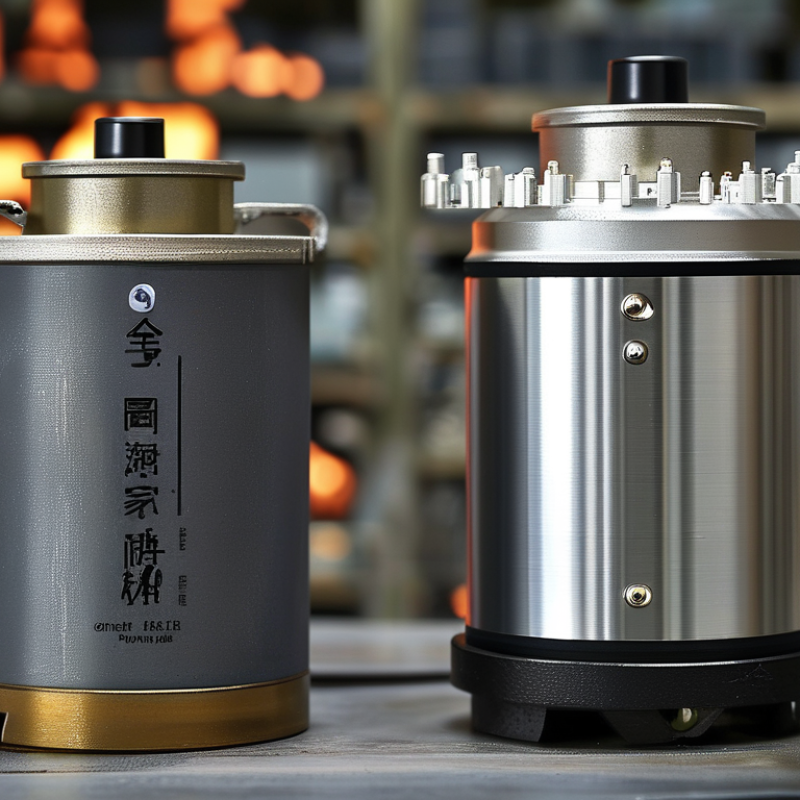
Overview of Heater Elements Manufacturing in China
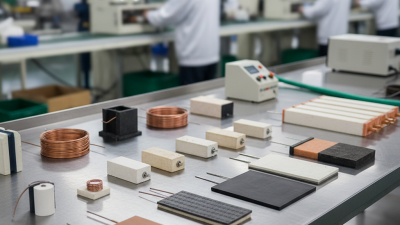
In recent years, China has emerged as a major hub for heater elements manufacturing. With advancements in technology and robust industrial infrastructure, the country produces a diverse range of heater elements. According to a recent industry report, China’s market for heating elements is projected to grow by 7% annually, reflecting increasing global demand.
Manufacturers focus on various applications such as industrial heating, household appliances, and automotive sectors. For instance, over 30% of the global supply of thermal insulation heaters comes from China. This signifies the country’s strong position in the global supply chain. However, quality control remains a challenge. It’s essential for buyers to verify manufacturers’ certifications and production processes to ensure reliability.
**Tips:** When sourcing heater elements, consider visiting factories or requesting third-party quality inspections. Building a relationship with suppliers can also lead to better communication and more reliable product quality. Additionally, explore multiple suppliers to compare offerings. Not all manufacturers adhere to the same quality standards, so thorough research is crucial.
Key Types of Heater Elements Available in the Chinese Market
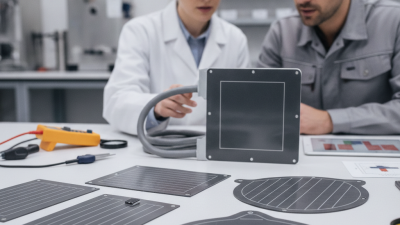
The Chinese market offers a diverse range of heater elements suitable for various applications. Key types include ceramic, metal, and silicone heater elements. Ceramic heaters are popular for their efficiency and durability. They provide consistent heat and are often used in household appliances. Metal heated elements are another prominent option. They heat up quickly and are commonly found in industrial settings.
Silicone heater elements represent an innovative choice. They are flexible and can conform to various shapes, making them versatile. This adaptability often leads to creative applications in different industries. However, buyers should carefully evaluate their specific needs. Each type of heater element has its strengths and weaknesses.
Understanding the intended application is crucial. Not every heater element will suit all environments. The trade-offs between power, durability, and cost may be challenging. Buyers should engage with manufacturers to assess the best options. This ensures informed decisions while navigating a complex market landscape.
Top China Heater Elements for Global Buyers to Consider
Factors Influencing the Quality and Performance of Heater Elements
When examining heater elements, several factors influence their quality and performance. One critical aspect is the materials used in manufacturing. High-quality metals and insulators provide better heat retention and efficiency. Components like ceramic or silicone offer durability, which is essential for longevity. Inferior materials may lead to quicker wear and reduced performance.
Heat output is another significant consideration. Elements must provide consistent heating to ensure effectiveness. Variations in temperature may indicate design flaws or material issues. Analyzing energy consumption can also reveal performance discrepancies. Efficient elements should consume less power while delivering reliable heat.
Design plays a role, too. Compact and innovative designs may enhance space usage. However, they can sometimes compromise heat distribution. Buyers should reflect on the trade-offs between size and efficacy. Ultimately, potential flaws in any of these areas call for careful evaluation. Choosing heater elements requires a keen understanding of these details for optimal selection.
Top Chinese Manufacturers of Heater Elements for Export
In global markets, Chinese manufacturers of heater elements play a significant role. They produce a wide variety of heating solutions, catering to different sectors. Exporting to various countries has become a core part of their business strategy. Many companies focus on innovation and quality control. This ensures they meet international standards.
When selecting a manufacturer, consider factors like certifications and service quality. Ensure they have experience in exporting. Evaluate their product range. This helps in finding the right fit for business needs.
**Tips:** Look for client reviews online. Assess if the manufacturer has a stable supply chain. Understand the warranty offered on products. Always communicate your specific needs clearly to avoid misunderstandings. Regular updates from manufacturers can help in maintaining a good relationship.
Top China Heater Elements for Global Buyers to Consider
| Heater Element Type |
Material |
Power Range (W) |
Voltage Range (V) |
Application |
| Ceramic Heating Element |
Alumina Ceramics |
1000 - 3000 |
110 - 220 |
Home Appliances, Industrial Heating |
| Stainless Steel Heater |
Stainless Steel |
500 - 2000 |
220 - 380 |
Water Heating, Commercial Uses |
| Silicone Rubber Heater |
Silicone |
100 - 1200 |
24 - 240 |
Medical Equipment, Aerospace |
| Cartridge Heater |
Copper, Stainless Steel |
300 - 2000 |
110 - 480 |
Plastic Molding, Packaging |
| Flexible Heating Pad |
Polyester |
50 - 400 |
12 - 240 |
Health Care, Fitness |
Guidelines for Global Buyers to Evaluate Heater Suppliers
When evaluating heater suppliers, global buyers should focus on several critical factors. The quality of heating elements is paramount. It's important to assess the materials used in production. Premium components usually guarantee better durability and performance. Look for suppliers that provide detailed specifications and performance data. This information signals their commitment to quality.
Tips for buyers: Always request samples for testing. Sample evaluations help you understand product reliability. Next, assess the supplier's manufacturing processes. A transparent production line often reflects quality control and adherence to standards. Additionally, inquire about certification. Certifications from recognized bodies can be a significant indicator of a supplier's credibility.
Consider the supplier’s experience in the industry. Established companies are generally more reliable. They have dealt with various challenges and can offer insights into product performance. However, not all seasoned suppliers innovate. Keep an eye on newer companies that bring fresh technologies. They may offer better efficiency and modern solutions. Balance experience with innovation for optimal choices.