Top Rubber Heaters How to Choose the Best for Your Needs?
When it comes to temperature management, choosing the right Rubber Heaters is crucial. Renowned industry expert, Dr. Emily Carter, emphasizes this point: "Selecting the best rubber heaters can significantly impact both efficiency and safety." In various applications, from industrial machinery to scientific laboratories, the importance of reliable heating cannot be overstated.
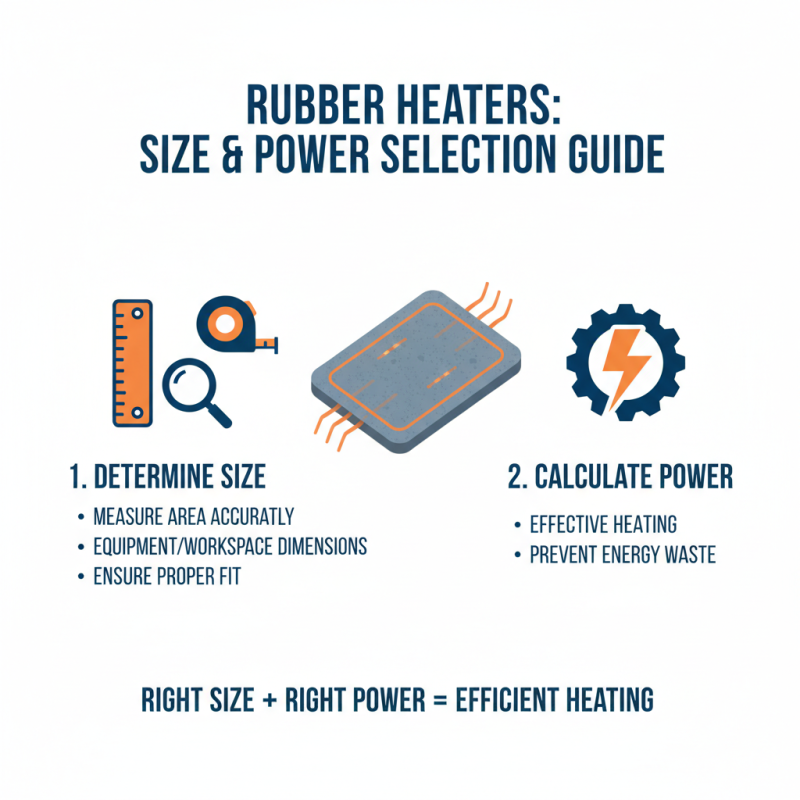
Rubber Heaters come in different types and specifications, making it vital to understand your specific needs. Factors such as size, watt density, and material composition play a key role in performance. For instance, using a heater that is too small for your application can lead to inadequate heating. On the other hand, oversized units may waste energy and create hazards.
Moreover, many users overlook maintenance aspects. Regular checking for wear and tear can prevent unexpected failures. With the right approach and knowledge, selecting effective Rubber Heaters can enhance productivity and safety. Misjudgments in this area can lead to costly downtime or even accidents. Therefore, educated decisions are essential.
Understanding the Importance of Rubber Heaters in Various Applications
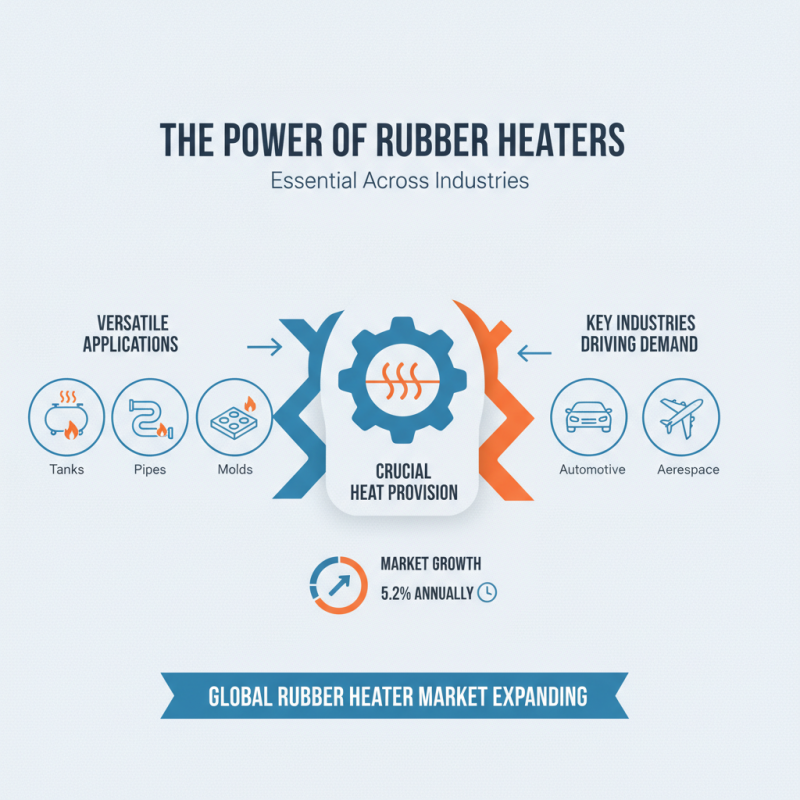
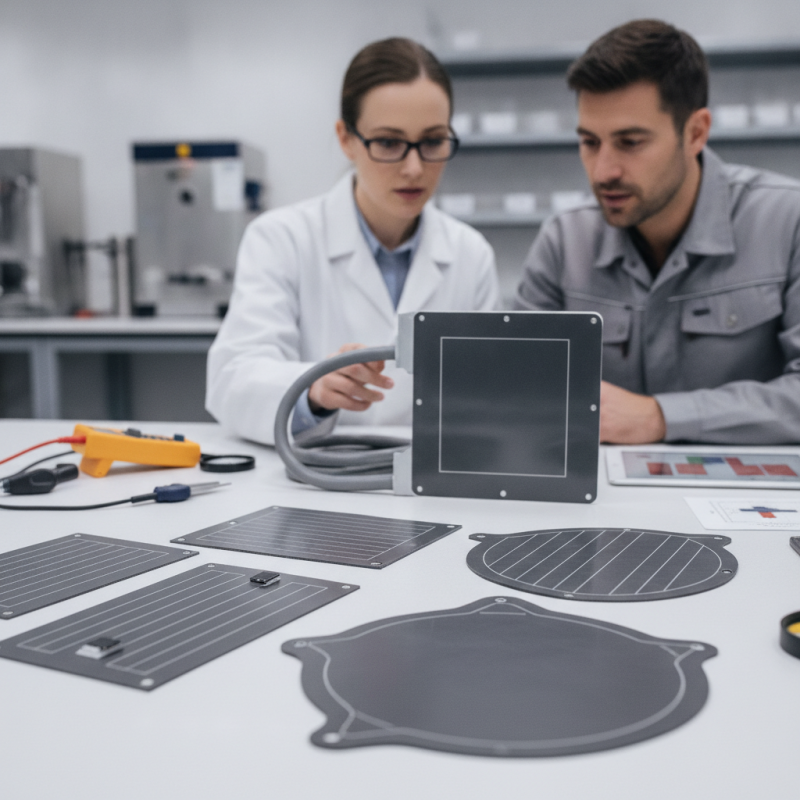
Rubber heaters play a crucial role in various industries, providing necessary heat for different applications. Their versatility makes them suitable for heating tanks, pipes, and molds. According to industry reports, the global rubber heater market is expected to grow by 5.2% annually, reflecting their increasing demand in sectors like automotive and aerospace.
Choosing the right rubber heater involves understanding specific needs. Consider factors such as temperature range, power requirements, and size. In precise applications, temperature uniformity is key. A well-distributed heat pattern ensures optimal performance and prevents material degradation. Insufficient heat or hot spots can lead to significant issues.
Tip: Before purchasing, evaluate both your project’s scale and safety standards. Review the heater's insulation type to ensure it suits your environment. Rubber heaters with silicone insulation are more durable and resistant to harsh conditions.
The importance of rubber heaters cannot be overstated. In manufacturing, they increase efficiency and reduce production times. However, improper selection can lead to energy waste and increased costs. Investing in high-quality rubber heaters ultimately pays off, but awareness of potential pitfalls is essential.
Key Features to Consider When Choosing a Rubber Heater
When selecting a rubber heater, several key features need careful consideration. The watt density is crucial. A higher watt density provides faster heating but may require more careful handling to prevent damage. Aim for a balance that meets your heating needs without risking overheating your materials.
Temperature management is another critical factor. Look for heaters with adjustable temperature settings. This allows precise control, ensuring your project runs smoothly. Consider the materials your heater will contact. The compatibility of the rubber with various chemicals and temperatures can greatly impact performance.
Durability is essential too. Rubber heaters should withstand varying temperatures and environmental conditions. It's important to assess the construction quality and warranty offered. This helps ensure reliability. Remember, while finding the perfect rubber heater, it is equally important to remain flexible and adjust your requirements based on usage experience and feedback. Making informed choices is a process, often needing a bit of reflection on what truly works best for your specific needs.
Top Rubber Heaters - Key Features to Consider When Choosing a Rubber Heater
| Feature |
Description |
Importance |
| Temperature Range |
The range of temperature the heater can achieve, typically between -40°F to 200°F. |
Determines suitability for specific applications. |
| Power Consumption |
Amount of energy the heater uses, usually measured in watts. |
Affects operating cost and efficiency. |
| Size and Dimensions |
Physical size of the heater, which will need to fit the application area. |
Critical for installation and effectiveness. |
| Material Quality |
Durability and resistance of the rubber material used. |
Influences longevity and performance under various conditions. |
| Control Features |
Includes thermostats, timers, or digital controls for precise heating. |
Enhances usability and efficiency. |
| Safety Features |
Includes features like overheat protection and auto shut-off. |
Essential for preventing accidents and ensuring safe operation. |
| Flexibility |
Ability of the heater to conform to irregular shapes or surfaces. |
Important for applications requiring non-flat surfaces. |
Different Types of Rubber Heaters: Pros and Cons
When selecting rubber heaters, understanding the various types is crucial.
There are silicone rubber heaters, which are flexible and can be customized.
They excel in applications where space is limited. However, their performance can diminish at extremely high temperatures.
Another popular option is the neoprene rubber heater.
These tend to be more rigid and are often used in demanding industrial environments.
They are durable but might be less effective in applications requiring frequent repositioning or flexibility.
Research indicates that the ideal rubber heater can enhance process efficiency by up to 30%.
Tip: Before purchasing, assess your specific heating requirements and environment.
Choosing the wrong type could lead to overheating or insufficient warmth.
Always consult data from reliable industry sources before making a decision.
Each setting may demand a different heating solution, which requires careful consideration.
Maintenance Tips for Optimal Performance of Rubber Heaters
Maintaining rubber heaters is crucial to ensure their longevity and efficiency. Regular inspection of the heater surface is essential. Look for any signs of wear, damage, or contamination. Clean the surface gently with a damp cloth. This prevents build-up that could reduce heat transfer. It also helps identify potential issues early. Remember that a clean heater operates more effectively.
Temperature control is another vital aspect of maintenance. Most rubber heaters come with a thermostat. Set it to the right level for your application. Frequent fluctuations can lead to overheating or underheating. Both can damage the heater and the materials it is heating. Monitor the heater's performance regularly. Adjust settings accordingly for best results.
Proper storage when the heater is not in use can extend its life. Keep it in a cool, dry place away from direct sunlight. Avoid bending or folding the heater. This can create weak spots. Regularly review your usage patterns and make adjustments. A few minor changes can significantly affect performance and reliability over time.
Rubber Heater Performance Comparison
This chart compares the heat output (in Watts) and efficiency percentages of different rubber heaters commonly used in various applications. Choose the one that fits your performance needs the best!