How to Choose the Best Odm Oil Heater for Your Needs?
Choosing the right ODM oil heater is essential for maximizing comfort and efficiency in heating systems. According to a recent industry report by the International Energy Agency, the demand for oil heaters has risen by over 15% in recent years, reflecting a need for reliable heating solutions. When selecting an ODM oil heater, factors such as size, fuel efficiency, and heating capacity must be considered.
Experts suggest that many users overlook critical specifications, leading to dissatisfaction with their choices. For instance, a heater that is too small will struggle to maintain desired temperatures. Matching the heater to your space requirements ensures optimal performance. Additionally, consider energy ratings. Higher efficiency can lead to significant long-term savings in fuel costs.
As you delve into the diverse models available, understand that not all options meet the same standards. Reviews and testimonials can offer valuable insights, but they also reveal shortcomings in specific models. Engaging with industry professionals can provide clarity, steering you toward the best ODM oil heater that fits your specific needs and preferences.
Understanding the Basics of Odm Oil Heaters
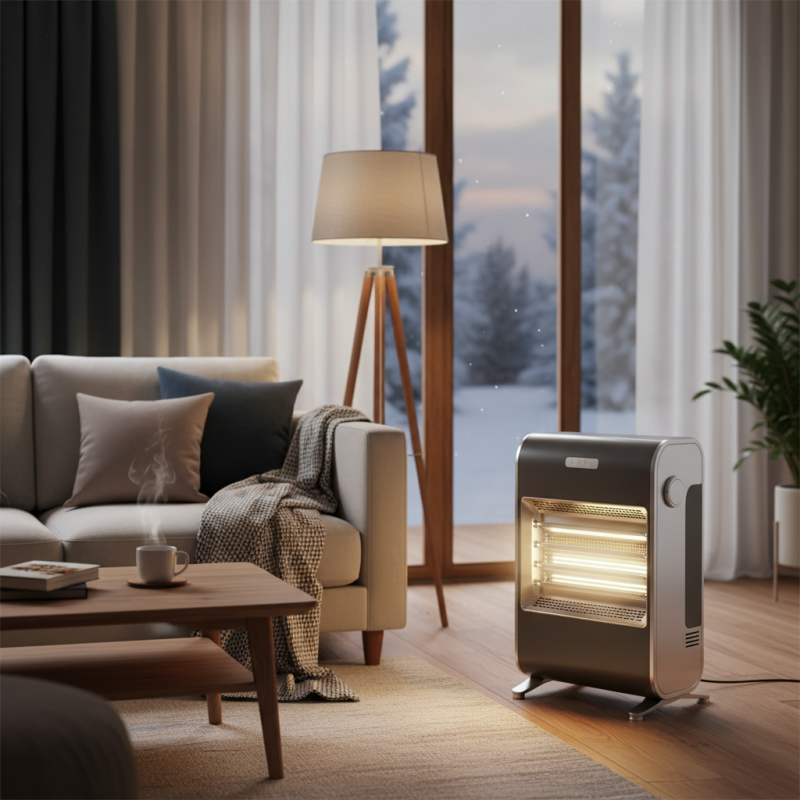
Choosing an oil heater can be daunting. Understanding the basics helps simplify the process. Oil heaters use heated oil to transfer warmth. They offer efficient and consistent heating for your space. Knowing how they operate is crucial for making an informed choice.
The main types of oil heaters include portable and fixed units. Portable heaters are easy to move, ideal for heating single rooms. Fixed units are more powerful and suited for larger areas. Consider the size of your space when selecting the type you need. Pay attention to the oil capacity as well. A larger tank usually means longer operation without refills.
Efficiency matters, too. Look for models that provide high heat output with low energy consumption. Check for safety features like automatic shut-off systems. It’s essential to read reviews and do some research. Even with the best heater, user experiences may vary. Some may find their unit doesn’t heat as expected. Recognizing these imperfections can guide you to make a better decision.
How to Choose the Best Odm Oil Heater for Your Needs?
| Feature |
Description |
Suitable Use |
Energy Efficiency |
| Portable Design |
Lightweight and easy to move around. |
Ideal for temporary heating needs. |
Moderate |
| Thermostatic Control |
Automatically adjusts the temperature. |
Best for maintaining consistent heat. |
High |
| Oil Fill Gauge |
Allows easy monitoring of oil levels. |
Useful for continuous operation. |
High |
| Safety Features |
Includes features like tip-over protection. |
Recommended for home use. |
Variable |
| Heating Capacity |
Measured in BTUs, indicates effectiveness. |
Best for larger spaces. |
High |
Determining Your Heating Needs and Requirements
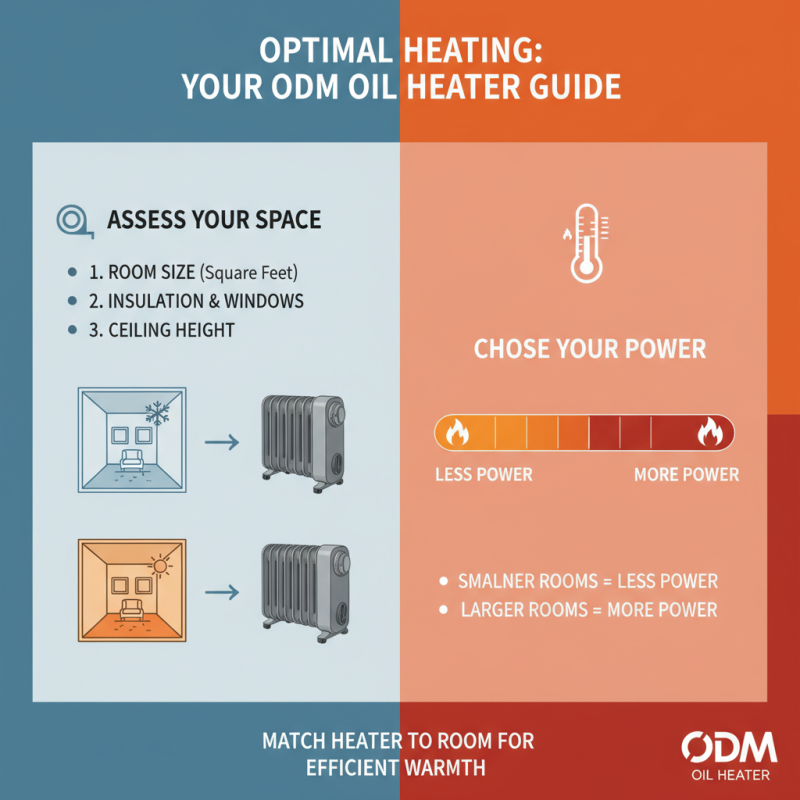
When choosing an ODM oil heater, understanding your heating needs is paramount. Start by assessing the size of the space you want to heat. Measure in square feet. A smaller room requires less power, while a larger area needs a more robust heater. Consider insulation, windows, and ceiling height as these factors influence heat retention. You might find that what works for one room doesn’t suffice for another.
Next, think about your energy efficiency goals. Oil heaters vary in efficiency and output. Higher-efficiency models often cost more but save money on fuel in the long run. Research the heating capacity and how it aligns with your usage patterns. It’s essential to match the heater's output with your specific requirements. Reflect on whether you plan to use it as a primary or supplemental heat source. Each choice impacts your overall satisfaction and effectiveness of the heater.
Lastly, safety features cannot be overlooked. Features like automatic shut-off and temperature control can make a significant difference. Look for reliable indicators and feedback from users about their experiences. Gathering reviews is an excellent way to gauge reliability. It may be helpful to visit forums or discussion groups for real-life insights. This research helps ensure you choose a heater that stands up to your expectations.
Evaluating Energy Efficiency and Operating Costs
When evaluating energy efficiency in ODM oil heaters, consider the unit's energy factor (EF). A higher EF indicates better efficiency. Recent studies suggest that units with an EF above 0.80 can significantly reduce energy consumption. For example, a heater with an EF of 0.90 can use up to 10-20% less energy than lower-rated models. This reduction translates to lower utility bills, which is crucial for budget-conscious consumers.
Operating costs are also essential when making your choice. You should consider both the fuel cost and the maintenance expenses. According to industry reports, oil heaters typically require periodic maintenance, which can incur additional costs. It’s estimated that regular servicing can add around 5-10% to annual operating costs. These ongoing expenses can accumulate, making it vital to factor them into your budgeting process.
Buyers must acknowledge that not all high-efficiency models work well in every setting. For instance, an oil heater may perform efficiently in smaller spaces but become less effective in larger areas. Understanding your specific heating needs can help pinpoint the most appropriate model. It’s beneficial to analyze the heater's compatibility with your home size and layout to avoid unnecessary expenses and ensure satisfactory performance.
Energy Efficiency and Operating Costs of ODM Oil Heaters
Comparing Different Types of Odm Oil Heaters
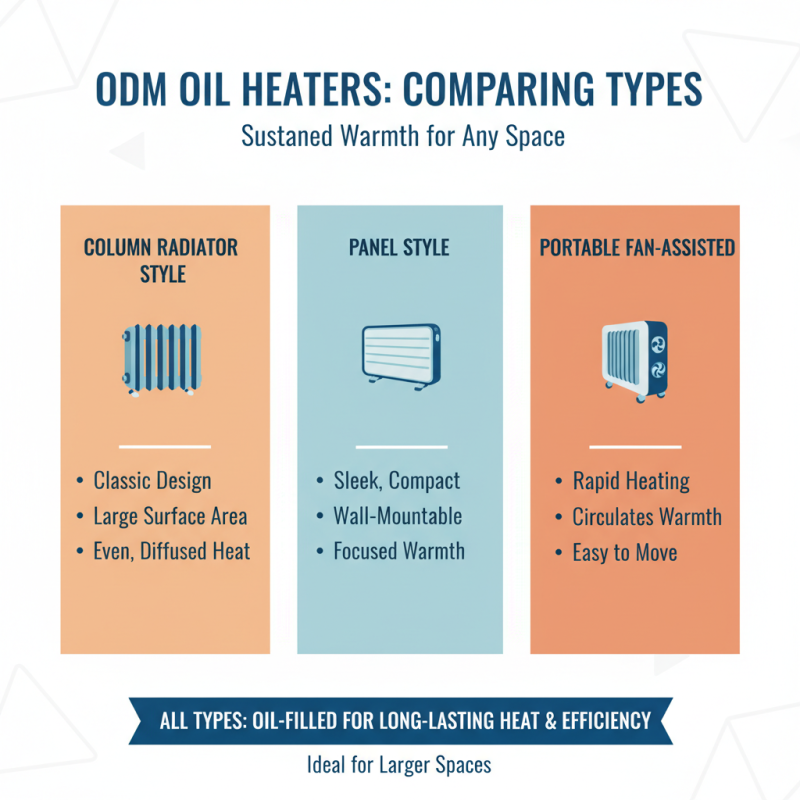
When selecting an ODM oil heater, understanding the types available is crucial. Different models offer unique features catering to specific needs. Unlike traditional radiators, oil-filled heaters maintain heat longer. They are perfect for larger spaces requiring consistent warmth. The oil inside retains heat even after the heater turns off, ensuring an efficient heating experience.
Another option is the convection heater style. These devices distribute warm air effectively. They often warm up quickly and are suitable for short-term use. However, they may not hold heat as long. If you're considering portability, look for lightweight models. Some heaters come with wheels, making them easy to move between rooms.
When comparing these options, consider your specific needs. Take time to read reviews and check product specifications. What may work for one household might not suit another. Reflecting on these details can lead to a more informed decision. Choosing the right heater is not just about cost but also functionality for your environment.
Identifying Key Features and Specifications to Consider
When choosing the best ODM oil heater, key features and specifications are crucial. Start by considering the capacity. It's important to match the heater's output with your space. A small room requires less heating power than a large area. Pay attention to the size of the heater itself. Compact models save space, but larger units may provide better efficiency.
Also, check the heating efficiency. Look for models with high thermal efficiency ratings. This means they convert more fuel into heat. Energy consumption is another critical factor. Models that use less energy can save money in the long run. Don't forget safety features. Automatic shut-off and overheating protection are essential to prevent accidents.
Think about the ease of maintenance as well. An oil heater that requires frequent servicing can be a hassle. Simple designs are often easier to clean and maintain. Read customer reviews to gain insight into the unit's reliability. Remember, no product is perfect. Every heater has its pros and cons. Reflect on what matters most for your specific needs.