Why Are Fryer Elements Essential for Your Cooking Needs?
Fryer elements are crucial components in achieving that perfect crispy texture we all crave in our favorite fried foods. Chef Michael Anderson, a renowned culinary expert, emphasizes, "The right fryer elements can make or break your cooking experience." These elements not only influence cooking times but also the overall quality of the food prepared.
In the world of frying, the choice of fryer elements directly impacts temperature control. Reliable heating elements ensure consistent cooking, which prevents soggy bites. When frying, temperature fluctuations can lead to uneven results. This inconsistency is where many home cooks find themselves falling short. They often overlook the importance of having high-quality fryer elements.
Moreover, the durability of these elements plays a pivotal role. Regular replacements can add up in cost and effort. Investing in quality fryer elements means less frequent replacements. However, not all fryer elements are created equal. Some may boast features that sound good on paper but do not deliver in real-life cooking situations. It's essential to research and choose wisely, ensuring that your choice aligns with your specific cooking needs. In the end, the right fryer elements can transform your culinary endeavors, but the wrong ones can lead to frustration.
Understanding Fryer Elements and Their Functionality
Fryer elements are crucial for efficient cooking. They provide direct heat, ensuring that your food is evenly cooked. Understanding how these elements function can enhance your cooking experience. Typically made of durable materials, fryer elements can withstand high temperatures. They are essential in deep fryers, where oil heats quickly, offering crispy results.
Proper maintenance of fryer elements is key to their longevity. Regularly check for any signs of wear or damage. Clean them carefully to prevent buildup. A well-maintained element heats food more efficiently, saving time and energy.
Cooking tips: Always use a thermometer to monitor oil temperature. This ensures that food cooks evenly. Also, avoid overcrowding the fryer; it lowers the temperature and leads to soggy results. Remember, even minor adjustments in temperature can significantly affect cooking time and quality.
Types of Fryer Elements: A Comprehensive Overview
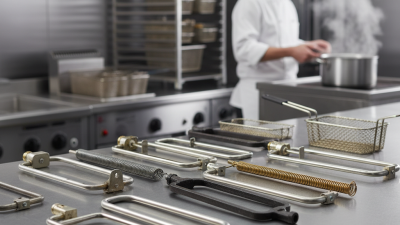
When it comes to frying food effectively, understanding the types of fryer elements is vital. There are three main types: coil, ribbon, and tubular. Each serves a distinct purpose and can influence the quality of your cooking.
Coil elements are often found in small, countertop fryers. They heat up quickly and provide direct heat. This is ideal for quick frying tasks.
Ribbon elements, on the other hand, are broader and distribute heat more evenly throughout the oil. This makes them perfect for larger frying jobs, like batches of chicken or doughnuts.
Tubular elements are embedded and provide high-efficiency heating, great for larger commercial models.
Choosing the right fryer element impacts more than just cooking time. It affects oil absorption and food texture. Improperly matched elements can lead to uneven heating. This might result in burnt exteriors and undercooked interiors. Reflecting on your cooking style can help enhance the overall quality of your dishes. Making an informed decision about fryer elements is essential for achieving crispy, delicious food consistently.
The Importance of Heat Distribution in Frying
When it comes to frying, heat distribution plays a vital role. Uneven heating can lead to inconsistent cooking results. Hot spots can burn food, while cooler areas leave it undercooked. This highlights the need for quality fryer elements that promote even heat.
Efficient heat distribution means that every piece of food achieves optimal crispiness. It can give you that golden-brown finish that is so desirable. However, not all frying methods guarantee this quality. Some people overlook the importance of fryer elements and the impact they have on cooking.
Choosing the right fryer can be an overwhelming experience. The variety available makes it hard to decide. Observing how heat is distributed is often ignored. Many assume all fryers work the same. This misconception can lead to frustration in the kitchen. Understanding the significance of fryer elements can transform your frying experience. Effective heat distribution is crucial for achieving delicious results every time.
Choosing the Right Fryer Element for Different Cooking Styles
When it comes to cooking, choosing the right fryer element is crucial. Different styles of cooking require different types of heat. For example, deep frying relies on consistent temperature control. Electric fryer elements are excellent for this, providing reliable heat distribution. On the other hand, induction frying is becoming popular for its efficiency. It heats the cookware directly, resulting in faster cooking times.
Tips: Always consider your cooking style when selecting fryer elements. For classic frying, opt for elements with a high wattage. This ensures rapid heat-up times and consistent frying. For healthier alternatives, induction elements are ideal. They provide precision and can save energy in the long run.
Reflecting on experience, many overlook the importance of matching the fryer element to their cooking habits. An element that works well for one dish may not serve another. Take the time to evaluate your common recipes. Experimenting with different elements can lead to surprising results. Consider elements that allow for adjustable temperature settings. This offers more flexibility in your cooking adventures.
Why Are Fryer Elements Essential for Your Cooking Needs? - Choosing the Right Fryer Element for Different Cooking Styles
| Cooking Style |
Fryer Element Type |
Power Rating (W) |
Temperature Range (°F) |
Ideal Use |
| Deep Frying |
Coiled Element |
1500 - 2000 |
350 - 375 |
French Fries, Chicken |
| Stir Frying |
Flat Element |
1000 - 1500 |
300 - 350 |
Vegetables, Tofu |
| Pan Frying |
Cast Iron Element |
800 - 1200 |
300 - 400 |
Meats, Fish |
| Sous Vide Cooking |
Immersion Element |
600 - 800 |
130 - 200 |
Steaks, Vegetables |
Maintenance Tips for Prolonging the Life of Fryer Elements
Fryer elements play a critical role in cooking. They provide the necessary heat for frying foods to perfect crispiness. However, to keep these essential components functioning well, it’s important to maintain them properly.
Regularly check for any buildup of grease or food particles. This residue can affect performance. A simple way to clean is to soak the elements in warm, soapy water. Use a soft brush for stuck debris. Avoid harsh chemicals, as they might damage the surface.
Another tip is to monitor the cooking temperature. Overheating can lead to quicker wear and tear. Ensure the fryer is used within its recommended temperature range. Always let the fryer cool down before cleaning it. This prevents burns and prolongs the element's life.
Lastly, consider inspecting the electrical connections periodically. Loose or damaged wires can lead to inefficiency. If you notice any issues, it may be time to call in a professional. Taking these steps can greatly enhance your fryer elements' durability, ensuring delicious meals for years to come.