Why Choose Flange Heating for Industrial Applications?
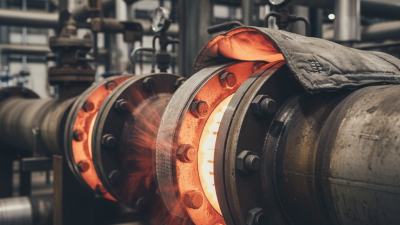
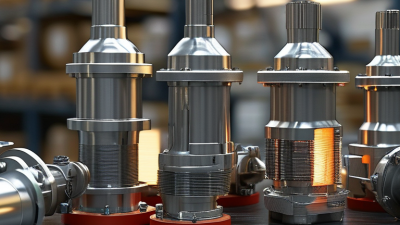
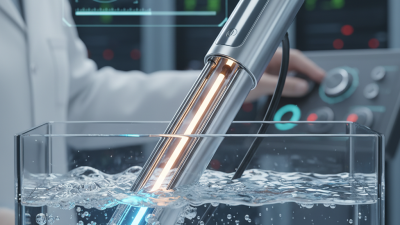
Flange heating is a crucial method in industrial applications. It provides efficient heating for various components, ensuring optimal performance. Industries rely on this technology for maintaining proper operating temperatures in pipelines and tanks.
Using flange heating can enhance energy efficiency. This method minimizes heat loss, which leads to cost savings. It also ensures that materials are heated uniformly, preventing issues like thermal stress. Many companies have reported increased productivity due to consistent heating.
However, choosing the right flange heating solution requires careful consideration. Not all products meet the necessary requirements. Reliability and performance are key factors. Companies should assess options based on their specific needs and past experiences. Balancing cost with quality is essential for long-term success.
Understanding Flange Heating: Basics and Functionality
Flange heating is essential in industrial applications, primarily for maintaining optimal temperatures in processes involving liquids and gases. This technique capitalizes on the alloy structure of flange heaters, which efficiently transfers heat directly to the flange surface. According to a report by the International Journal of Heating Technology, effective flange heating can reduce energy costs by up to 25%.
The key functionality of flange heating involves even heat distribution, allowing for consistent operation of pumps and valves. Improper heating can lead to equipment failure and costly downtimes. Research indicates that nearly 30% of industrial equipment failures stem from thermal issues. Therefore, investing in flange heating solutions can improve reliability.
Tips: Always assess your specific heating needs before installation. Consider the thickness of the flange and fluid type, as these factors impact heating efficiency. Regular maintenance checks can also prevent unexpected breakdowns, ensuring long-term performance.
Benefits of Flange Heating in Industrial Settings
Flange heating systems play a crucial role in various industrial settings. They provide efficient heat transfer to critical components, ensuring optimal performance and reliability. By maintaining the desired temperature, these systems prevent condensation and subsequent corrosion. The result is reduced downtime and extended equipment lifespan.
One key benefit of flange heating is its versatility. These systems can be tailored to fit different equipment sizes and configurations. This adaptability makes them ideal for applications in oil and gas, chemical processing, and food production. Enhanced energy efficiency is another significant advantage. Flange heating reduces energy consumption by applying heat only where it is needed.
Tips for implementation: Regular inspection of the heating system is essential. Look for signs of wear or damage. Keeping thermal insulation intact can boost performance significantly. Proper control systems can help optimize temperature management. To maximize effectiveness, consider the environment where the heating occurs. Temperature fluctuations can affect how well systems function. Frequent adjustments may be necessary.
Key Applications of Flange Heating Technologies
Flange heating technologies play a crucial role in various industrial applications. This heating method is commonly used in sectors such as oil and gas, food processing, and chemical manufacturing. According to a recent industry report, flange heaters can improve energy efficiency by up to 30%. Such efficiency reduces operating costs and enhances system reliability.
In oil and gas, flange heaters are utilized to maintain optimal fluid temperatures. This prevents wax build-up in pipelines, ensuring uninterrupted flow. Chemical plants benefit from precise temperature control. Accurate heating stabilizes chemical reactions, leading to higher quality products. Furthermore, food processing industries use these technologies for maintaining hygienic heating, which is essential for compliance with health regulations.
Tip: Regularly inspect heating elements for wear. This ensures efficient operation and reduces unexpected downtime.
Flange heating is also essential in maintaining safety in high-pressure environments. Overheating can lead to system failures. Not all applications are equally suited for this technology. Some setups may require alternative heating solutions based on specific temperature ranges or material compatibility. Careful evaluation is key.
Comparison of Flange Heating with Other Heating Methods
Flange heating is gaining traction in industrial settings. It offers efficiency and consistent heat distribution. This method ensures even heating around piping and vessels. Traditional methods often fall short in maintaining uniform temperatures. For instance, direct heating can leave cold spots. This inconsistency can lead to inefficiencies and potential system failures.
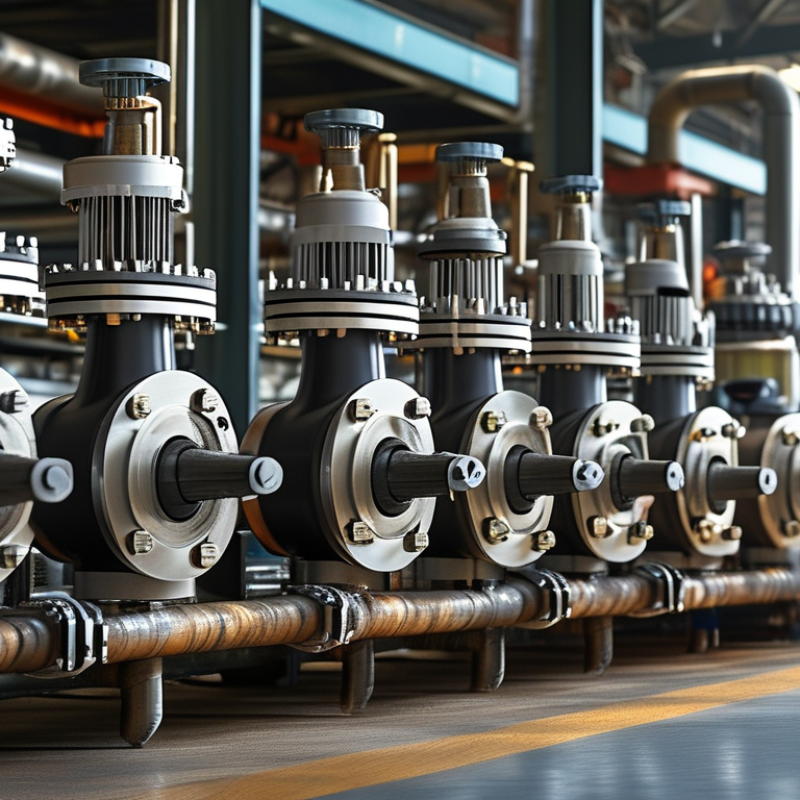
In contrast, flange heating systems provide contact heating. They are mounted directly on the flange of pipes. This promotes quick heat-up times and energy savings. However, some users may notice installation challenges. Getting the right fit matters. It’s essential to consider the flange type and material. This attention to detail can minimize operational headaches.
When comparing this method to others, the benefits are clear. Flange heating is customizable for various applications. Some radiant heating methods may not meet specific requirements. They can lack precision and responsiveness. Flange heating, when done right, can mitigate these issues. However, not every scenario will require this approach. Evaluating the application needs is crucial for effective decision-making.
Why Choose Flange Heating for Industrial Applications? - Comparison of Flange Heating with Other Heating Methods
| Heating Method |
Efficiency (%) |
Installation Cost ($) |
Maintenance Frequency (Months) |
Applications |
| Flange Heating |
90 |
500 |
12 |
Pipelines, Tanks |
| Convection Heating |
75 |
300 |
6 |
General Heating |
| Radiant Heating |
80 |
400 |
8 |
Workshops, Factories |
| Induction Heating |
95 |
1000 |
15 |
Metal Processing |
| Steam Heating |
70 |
600 |
10 |
Heating Systems |
Factors to Consider When Choosing Flange Heating Solutions
Flange heating solutions are essential for various industrial applications. When selecting a heating system, there are key factors to consider.
Efficiency is paramount. Reports indicate that flange heaters can achieve thermal efficiencies of over 90%. This efficiency reduces energy costs significantly in large-scale operations.
Temperature control plays a critical role. Precise temperature settings can ensure proper processing of materials. Many industries recommend maintaining temperature variations within +/- 5 degrees Celsius to prevent damage. This level of control enhances product quality, which is vital for sectors like pharmaceuticals and food processing.
The material compatibility of the heating elements is another important factor. Common materials like stainless steel or carbon steel are preferred for their durability. However, specific applications may require specialized coatings to resist corrosion. Reliability is crucial, as equipment downtime can lead to significant losses. Data shows that reliable heating solutions can reduce maintenance needs by up to 30%. These factors collectively contribute to the effective selection of flange heating systems in industrial settings.