Top 2026 Flange Heating Solutions for Global Buyers?
In the world of industrial heating, "Flange Heating" has emerged as a critical solution for various applications. Renowned expert Dr. Emily Carter, a leading authority in thermal engineering, states, “Effective flange heating is essential for maximizing efficiency in tough environments.” Her insights echo the growing demand for reliable heating solutions.
As global buyers navigate the complexities of the flange heating market, understanding the latest innovations is vital. These solutions not only enhance performance but also ensure safety. However, the choices can be overwhelming. Buyers must consider factors such as material compatibility and energy efficiency.
While many options exist, the challenge lies in selecting the most effective technology. This requires both discernment and expertise. The industry is continuously evolving, and buyers must stay informed about the latest developments. To achieve optimal results, a thoughtful approach is necessary in the world of flange heating.
Overview of Flange Heating Solutions in 2026
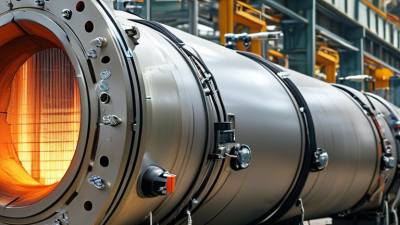
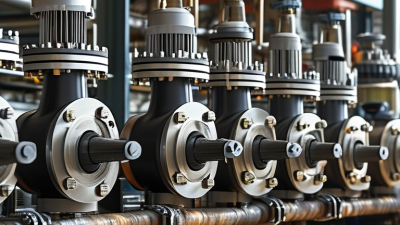
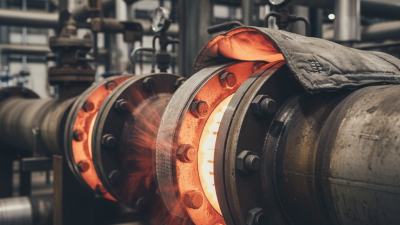
In 2026, flange heating solutions are evolving to meet the demands of various industries. These solutions are crucial for effectively managing heat in piping systems and improving operational efficiency. Companies now prioritize sustainable options that reduce energy consumption. This shift is necessary due to growing environmental concerns.
Modern flange heaters utilize innovative materials and design to enhance performance. Users are increasingly interested in flexibility and ease of installation. Many solutions are now modular, allowing for customized setups. The ability to suit specific configurations remains vital. However, this flexibility can present challenges. Compatibility issues often arise when integrating new systems into existing setups.
Reliable flange heating solutions should be designed to last, but longevity isn't guaranteed. Regular maintenance is essential for consistent performance. Users must understand that even the best solutions can fail without proper care. Ongoing education in system integration and management is necessary to prevent costly downtime. Embracing these complexities can lead to more informed choices in flange heating solutions.
Top Flange Heating Solutions in 2026
Key Features of Leading Flange Heating Technologies
When exploring flange heating technologies, several key features stand out. Efficient heat distribution is crucial. It ensures uniform heating across the flange, minimizing hot spots. Moreover, adjustable temperature controls allow operators to set precise heat levels. This adaptability supports various industrial applications.
Durability is another important aspect. High-quality materials enhance resistance to harsh environments. A well-engineered flange heating solution withstands high temperatures and corrosive elements. Users might notice that not all products meet these standards. Reliability is vital, but not all manufacturers invest equally in robust designs.
User-friendly interfaces improve accessibility. Operators want simple controls, ensuring intuitive usage. However, even the best technologies may have steep learning curves for some. Training and resources should accompany these advancements. Regular maintenance is also essential for optimal performance. Neglect could lead to unforeseen downtime and costly repairs. Such considerations are often underestimated yet play a significant role in overall efficiency.
Top 2026 Flange Heating Solutions for Global Buyers
| Feature |
Description |
Advantages |
Application |
| Temperature Control |
Precise temperature settings with digital controllers |
Increased efficiency and safety |
Industrial piping systems |
| Energy Efficiency |
Low power consumption with high output |
Lower operational costs |
Heating fluid transport systems |
| Material Compatibility |
Compatible with various flange materials |
Wide application across industries |
Chemical processing equipment |
| Safety Features |
Overheat protection and automatic shut-off |
Enhanced operator safety |
Oil and gas industry |
| Modular Design |
Easily expandable and customizable heating units |
Flexibility for different projects |
Construction and maintenance sectors |
Comparative Analysis of Global Suppliers and Their Offerings
The landscape of flange heating solutions is evolving rapidly. Companies worldwide are re-evaluating their supplier choices. The emphasis is on efficiency and technology. Global suppliers vary significantly in their offerings. Some provide customizable options; others focus on standard solutions. Understanding these differences is essential for discerning buyers.
Many suppliers showcase advanced heating techniques. However, not all claims stand up to scrutiny. Some suppliers promise high efficiency but do not deliver verified results. Quality control and testing standards differ. Buyers need to examine product specifications closely. Industry certifications can indicate a supplier’s commitment to quality. Yet, certifications alone do not guarantee reliability. Due diligence is crucial when selecting a partner.
In addition to technical specifications, customer support is vital. Suppliers with responsive service tend to foster better long-term relationships. Lack of support can lead to frustration and operational delays. Gathering feedback from current clients can reveal much about a supplier's reliability. Engaging with industry forums may uncover valuable insights, yet not all information will be accurate. A cautious approach is required to navigate this complex market effectively.
Factors Influencing the Selection of Flange Heating Systems
When selecting flange heating systems, several key factors come into play. The application type is critical. Different industries have unique heating requirements. For example, pipeline heating in oil and gas demands robust solutions. Conversely, smaller systems might suffice for food processing. Evaluating heat transfer efficiency is essential. Systems should effectively deliver consistent temperatures to eliminate risks of material failure.
Material compatibility is another concern. The heating elements must withstand specific chemical and physical environments. Some applications may involve corrosive substances. Users should consider insulation durability as well. Poor insulation can result in energy loss and increased costs over time. This is an area needing careful attention.
Tips: Always assess the installation space. A compact system may be beneficial, but it shouldn’t compromise performance. It’s wise to consult multiple sources before making a decision. Gathering various perspectives can illuminate aspects you might overlook. Don’t rush the selection process. Take time to weigh out options, especially when budgets are tight. Remember, the right system can save money in the long run.
Future Trends in Flange Heating Solutions for Industries
The future trends in flange heating solutions are becoming increasingly important for various industries, particularly in energy and manufacturing. Reports indicate that efficient flange heating solutions can improve operational efficiency by up to 20%. This enhancement is critical as industries strive to reduce energy consumption and optimize processes. As companies adopt more sustainable practices, the demand for advanced heating technologies continues to grow.
One emerging trend is the shift towards smart heating systems. These systems use real-time data for better temperature control. According to a recent market analysis, the smart heating market is expected to grow by 15% annually through 2026. This shift not only aids in cost reduction but also enhances safety by reducing the risks of overheating. However, businesses must carefully analyze their specific needs to implement these technologies effectively.
**Tip:** When selecting a flange heating solution, consider the energy efficiency rating. Higher ratings may entail a larger initial investment but can lead to significant long-term savings.
Moreover, the integration of IoT in heating systems is becoming a pivotal area. While these technologies promise automation and data collection, many businesses face challenges in implementation. It's crucial to ensure proper staff training and system maintenance. Only then can the full benefits be realized.
**Tip:** Regular maintenance checks can prevent unexpected failures. Schedule these checks to prolong the life of your heating system.