What is Flange Heating and Its Benefits for Global Buyers?
Flange heating plays a vital role in various industries, ensuring efficiency and safety during operations. According to recent industry reports, the global flange heating market is projected to grow by 7% annually over the next five years. This growth is driven by increased demand for energy efficiency and enhanced safety measures.
Many buyers are turning to flange heating solutions due to their ability to reduce operational downtime. The technology heats components uniformly, preventing overheating and material stress. Additionally, it helps in achieving optimal temperatures for processes, which can save companies significant costs in repairs and energy consumption.
However, some challenges remain. Not all flange heating systems deliver consistent results. Variations in design and application can impact effectiveness. Thus, it's essential for global buyers to evaluate product specifications carefully and choose systems backed by reliable reports and expert recommendations. Proper investment in flange heating can enhance productivity and safety, but it requires informed decision-making.
What is Flange Heating?
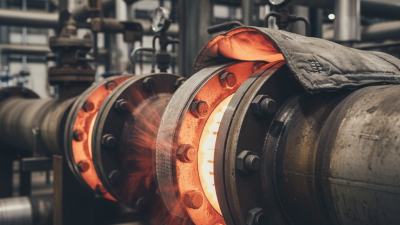
Flange heating is a crucial process in various industrial applications. It involves the controlled heating of flanges, which are critical components in piping systems. This method enhances the integrity of joints and connections, ensuring they function reliably under pressure.
One significant aspect of flange heating is its ability to promote uniform heat distribution. This prevents thermal shock and minimizes the risk of cracking or warping. Industries that rely on high-pressure systems, such as oil and gas, benefit greatly from this technique. Improved joint reliability can lead to fewer leaks and reduced maintenance costs in the long term.
However, implementing flange heating requires careful consideration. Overheating can damage components and diminish their lifespan. Evaluating material specifications and service conditions is vital. Additionally, the choice of heating method—such as electric or portable solutions—can impact efficiency and safety. Balancing effectiveness and caution is essential for achieving optimal results.
The Mechanism Behind Flange Heating Technology
Flange heating is an innovative technique that enhances efficiency in various industries. This technology typically involves the application of heat to flanges as a part of a larger process. The goal is to improve the joint integrity during pipeline maintenance or installation. According to a recent industry report, flanges that undergo proper heating exhibit a 20-30% increase in tensile strength. This improvement can significantly reduce vulnerabilities in systems such as water and gas pipelines.
The mechanism behind flange heating revolves around controlled thermal expansion. When a flange is heated, it expands uniformly, allowing for a better fit and sealing with adjoining pipe sections. However, the challenge remains in achieving the right temperature without causing deformation. Excessive heat may introduce risks, making it essential to employ advanced monitoring tools. A study indicates that using real-time temperature monitoring during the heating process can decrease the likelihood of thermal shocks by 25%. Such data underscores the need for ongoing research and development in this field.
Another aspect to consider is the energy consumption associated with flange heating. While initial setups may seem costly, efficient systems can lead to long-term savings and lower operational costs. One report highlighted that improved heating methods could cut energy usage by up to 40%. As the global industry transitions to greener practices, these advancements can foster sustainable development. Balancing efficiency, cost, and safety remains a critical focus for adopting flange heating technologies.
Advantages of Flange Heating for Industrial Applications
Flange heating is increasingly recognized for its advantages in industrial applications. This method ensures even heat distribution, which is essential for various manufacturing processes. With consistent heating, materials can reach the desired temperature more quickly. This accelerates production times and enhances overall efficiency.
In industries that rely on welds and joints, flange heating minimizes the risk of defects. Defects could lead to costly errors or delays. By using this heating method, workers can achieve better fusion and stronger bonds. This reliability is crucial in sectors like construction and manufacturing. However, it’s important to consider the initial investment in flange heating equipment.
While flange heating provides clear benefits, planning is vital. Some companies may underestimate training needs for staff. Adequate training ensures safe and effective use of heating systems. Assessing energy consumption and maintenance also plays a key role in long-term benefits. Without careful evaluation, some industries may not achieve the expected advantages.
Benefits of Flange Heating for Industrial Applications
This bar chart illustrates the various benefits of flange heating for industrial applications. Energy efficiency ranks the highest, followed by product quality, while safety improvements and installation ease also demonstrate significant advantages for global buyers. By investing in flange heating technology, companies can enhance their operational efficiency and minimize costs.
Key Markets and Global Buyers of Flange Heating Solutions
Flange heating solutions are gaining traction in various industries, particularly in oil and gas, power generation, and food processing. Recent market analysis reports indicate that the global flange heating market is projected to grow by over 12% annually from 2023 to 2030. This growth is driven by the increased need for efficient thermal management and process reliability in these sectors.
Key markets for flange heating include North America and Europe, where stringent regulations demand high efficiency. In North America, the oil and gas industry accounts for a significant share, relying heavily on flange heating for pipeline integrity and safety. In Europe, the adoption of these solutions is expanding in the renewable energy sector, particularly in wind and solar power installations. Global buyers are increasingly seeking innovative heating technologies that offer both efficiency and sustainability.
Despite the many advantages, challenges persist in implementing flange heating solutions. Cost considerations play a crucial role, and some companies hesitate to invest in advanced technologies. They often face resistance to change when it comes to traditional heating methods. This can lead to missed opportunities for enhancing productivity and reducing operational costs. Industry stakeholders must recognize these gaps and work towards overcoming them to fully leverage the benefits of flange heating.
Future Trends in Flange Heating Innovations and Technology
Flange heating technology has gained traction among industries that rely on precision and efficiency. One notable trend is the shift towards more energy-efficient systems. These innovations focus on reducing power consumption while maintaining optimal heating performance. As global buyers become more environmentally conscious, manufacturers are pressed to adapt.
Smart technologies play a crucial role in modern flange heating solutions. Internet of Things (IoT) integration allows for real-time monitoring and control. This technology can enhance operational efficiency and reduce downtime. However, implementing these advanced systems requires technical expertise. Not all companies can navigate the complexities of integration easily.
Despite the advancements, challenges persist. There is a constant need to balance cost with quality. Not every innovation might be worthwhile for all buyers. Some solutions may not fit every production environment. Continuous feedback from users is essential. This can help manufacturers refine their offerings and better meet industry needs.
What is Flange Heating and Its Benefits for Global Buyers? - Future Trends in Flange Heating Innovations and Technology
| Dimension |
Description |
Benefits |
Future Trends |
| Temperature Control |
Allows precise regulation of the heating temperature |
Improved efficiency and safety in processes |
Integration of smart technology for real-time monitoring |
| Energy Efficiency |
Optimizes heating to reduce energy consumption |
Lower operational costs |
Use of advanced insulation materials to minimize heat loss |
| Material Compatibility |
Suitable for various flange materials like steel, plastic, and composites |
Versatile application in multiple industries |
Development of specialized heating pads for unique materials |
| Installation Process |
Ease of installation and adaptability in various setups |
Reduces downtime during installation |
Modular designs for quick upgrades |
| Safety Features |
Includes features like automatic shut-off and overheat protection |
Reduces risk of accidents |
Enhanced safety protocols through AI monitoring systems |