What Is a Hot Oil Heater and How Does It Work?
A Hot Oil Heater is an industrial heating system that transfers heat through a circulating thermal fluid. Unlike steam equipment, it usually operates without pressurizing the process with water. The heater warms oil inside a closed loop, and a pump moves that fluid toward equipment such as reactors, dryers, ovens, or heat exchangers.
It sounds simple. In practice, however, the system depends on several carefully matched components. A burner or electric element heats a coil, while the thermal oil carries energy through insulated pipes. At the process point, the oil releases heat before returning to the heater. An expansion tank accommodates fluid movement as temperatures change. Temperature sensors, flow controls, pressure protection, and shutdown devices help keep operation stable.
Operators often judge performance by more than the control panel. They may notice a slower warm-up, unusual pump noise, darkened oil, or uneven temperatures across a production line. These signs can indicate fouling, poor circulation, air in the system, or aging fluid. That distinction matters. A heater can reach its setpoint while the process still receives inadequate heat. This introduction explains what a Hot Oil Heater does, how its circulation cycle works, and why maintenance affects safety, efficiency, and product consistency. Some simplified descriptions focus only on the burner and oil loop. That approach misses important details, especially expansion control and fluid condition. Real systems vary by design, fuel source, operating temperature, and industrial duty. Reliable understanding begins with those differences.
What Is a Hot Oil Heater?
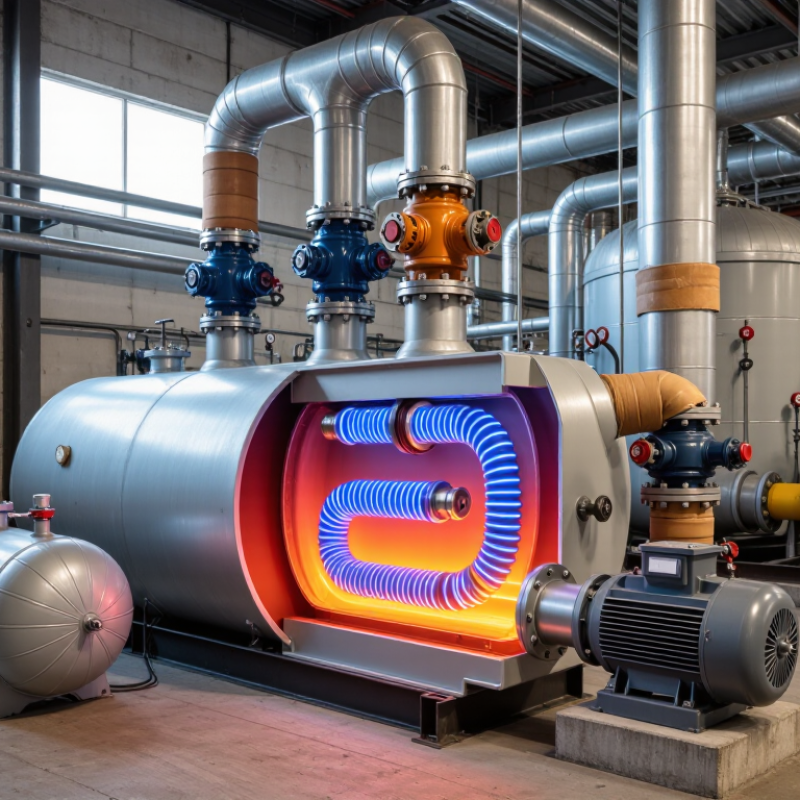
A hot oil heater is an industrial system that heats thermal oil for controlled process heating. Unlike a steam boiler, it does not use water as the primary heat-transfer medium. A burner or electric element warms the oil inside a sealed coil. The heated oil then circulates through jackets, coils, ovens, or production equipment.
The system usually includes a heater vessel, circulation pump, expansion tank, filters, valves, and temperature controls. The oil transfers heat indirectly, so the product does not contact the flame or heating element. This design supports steady temperatures and can reduce pressure-related concerns in some applications. Common uses include food processing, chemical production, asphalt plants, wood treatment, and industrial drying. The oil may remain liquid at higher temperatures than water, which allows efficient heat transfer without constant boiling.
A hot oil heater still requires careful operation. Oil quality, flow rate, burner adjustment, and insulation affect performance. A blocked filter or weak circulation pump can create hot spots inside the heater coil. That can damage the oil and shorten system life. It is tempting to treat the system as nearly maintenance-free, but that assumption is incomplete. Regular inspections should check leaks, oil degradation, safety controls, and expansion-tank conditions. Small temperature changes may reveal a larger problem.
| Data Dimension | Key Data | Description |
|---|---|---|
| Basic Definition | Indirect thermal heating system | A hot oil heater uses a liquid heat-transfer fluid to deliver controlled heat to industrial processes without heating the process material directly. |
| Heat-Transfer Medium | Thermal oil or synthetic heat-transfer fluid | The fluid circulates through a closed loop, absorbs heat in the heater, and transfers that heat to process equipment through a heat exchanger or heated surface. |
| Operating Principle | Heat, circulate, transfer, return | A burner or electric element heats the thermal fluid. A circulation pump moves the fluid through the system, where it releases heat before returning to the heater. |
| Heating Sources | Fuel-fired or electric | Common fuel-fired systems use natural gas, liquefied petroleum gas, or liquid fuel. Electric systems use resistance heating elements and are suitable where electrical power is available. |
| Typical Temperature Range | Approximately 150–400°C | The practical operating range depends on the thermal fluid, system pressure, equipment design, and required process temperature. The fluid supplier’s limits must always be followed. |
| System Pressure | Usually low pressure in the fluid circuit | Many hot oil systems operate at or near atmospheric pressure in the expansion space, reducing the need for the high pressures associated with pressurized water or steam systems at similar temperatures. |
| Main Components | Heater, pump, expansion tank, piping, controls | A complete system normally includes a heating chamber, circulation pump, expansion tank, heat users, temperature sensors, flow monitoring, filters, valves, and safety controls. |
| Expansion Tank Function | Accommodates fluid expansion | Thermal oil expands as its temperature rises. The expansion tank provides space for this volume change and helps keep the circuit properly filled. |
| Heat Distribution | Uniform and controllable | The circulating fluid can provide stable heat across jackets, coils, rollers, molds, ovens, reactors, and other process surfaces with relatively consistent temperature control. |
| Temperature Control | Sensor-based automatic regulation | A controller adjusts burner output or electrical power according to supply and return temperatures, helping maintain the process set point and reduce overheating risk. |
| Common Applications | Industrial process heating | Typical applications include chemical processing, asphalt and bitumen heating, food processing, plastics production, wood treatment, textile manufacturing, drying, and industrial ovens. |
| Advantages | High-temperature, low-pressure operation | Hot oil systems can provide high process temperatures without the high operating pressure required by steam systems, while also offering flexible heat distribution and precise control. |
| Energy Efficiency Factors | Insulation, combustion, flow, and load control | Efficiency depends on heater design, insulation quality, burner tuning, correct fluid flow, heat-recovery arrangements, operating load, and regular maintenance. |
| Fluid Maintenance | Sampling and condition monitoring | Thermal fluid should be checked periodically for oxidation, contamination, viscosity changes, acidity, and degradation. Fluid replacement intervals depend on operating conditions and test results. |
| Safety Requirements | Flow, temperature, pressure, and leak protection | Important safeguards include low-flow shutdown, high-temperature cutoff, burner flame protection, expansion-tank monitoring, emergency shutdown, adequate ventilation, and leak detection. |
| Operating Risk | Fluid overheating and leakage | Loss of circulation can cause localized overheating, while degraded or leaking thermal fluid can create fire and equipment hazards. Safety systems and routine inspections are essential. |
| Comparison with Steam | Lower pressure at comparable temperatures | Unlike steam systems, hot oil systems do not require phase change during normal operation. They generally avoid condensate return equipment but require careful thermal-fluid management. |
| Comparison with Direct Heating | Indirect and more evenly distributed heat | The process material is separated from the combustion flame or electric element, which can reduce direct contamination and allow heating of complex or sensitive equipment surfaces. |
| Installation Considerations | Layout, expansion, insulation, and ventilation | Design should account for pipe expansion, adequate circulation, proper support, insulation, access for maintenance, safe fluid filling and draining, combustion-air supply, and exhaust routing. |
| Important Note | Design values vary by application | Actual temperature limits, fluid selection, flow rates, heater capacity, and safety requirements must be determined from the process design, applicable regulations, and thermal-fluid manufacturer specifications. |
Related Posts
-
2026 Top Hot Oil Heater Types for Global Buyers
-

2026 Best Hot Oil Heater Options for Global Buyers?
-
What is the Best Heat Cartridge for Global Sourcing?
-

Top Tips for Choosing the Best Heater Tubular for Your Needs?
-
Why Are Fryer Elements Essential for Your Cooking Needs?
-
China Top Airduct Heater Suppliers for Global Buyers?
-

Phone
-

E-mail
-

Whatsapp
Whatsapp