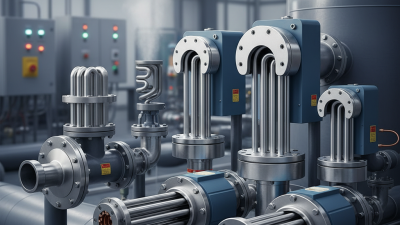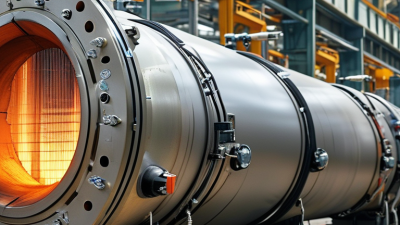
Choosing the right Heat Cartridge begins with the application, not the catalogue. A heater that works beautifully in a laboratory may fail inside a production mould. Temperature, watt density, voltage, installation depth, and material compatibility all influence performance. Even a small mismatch can create cold spots, premature burnout, or uneven heating across a metal block.
Michael J. Joyce, a senior cartridge-heater design engineer, offers a practical reminder: “The best heater is not the hottest one; it is the one that delivers controlled heat where the process needs it.” That principle matters when selecting diameter, length, sheath material, and lead configuration. Stainless steel may suit many industrial environments, while demanding moisture or chemical exposure may require a more carefully specified construction. Do not overlook the fit. A loose cartridge wastes energy and creates resistance to heat transfer. An overly tight bore can make replacement difficult and increase mechanical stress.
Real operating conditions should guide the decision. Measure the heated mass, surrounding airflow, duty cycle, and expected temperature range. Then compare those facts with the manufacturer’s technical data. Resist choosing only by wattage. It looks simple.
It is not.
A reliable selection also leaves room for uncertainty. Calculations can miss heat loss through fixtures, gaps, or moving parts. Prototype testing may reveal assumptions that seemed reasonable on paper. The right Heat Cartridge is therefore not merely powerful. It is controllable, correctly fitted, serviceable, and proven under the conditions it must endure.
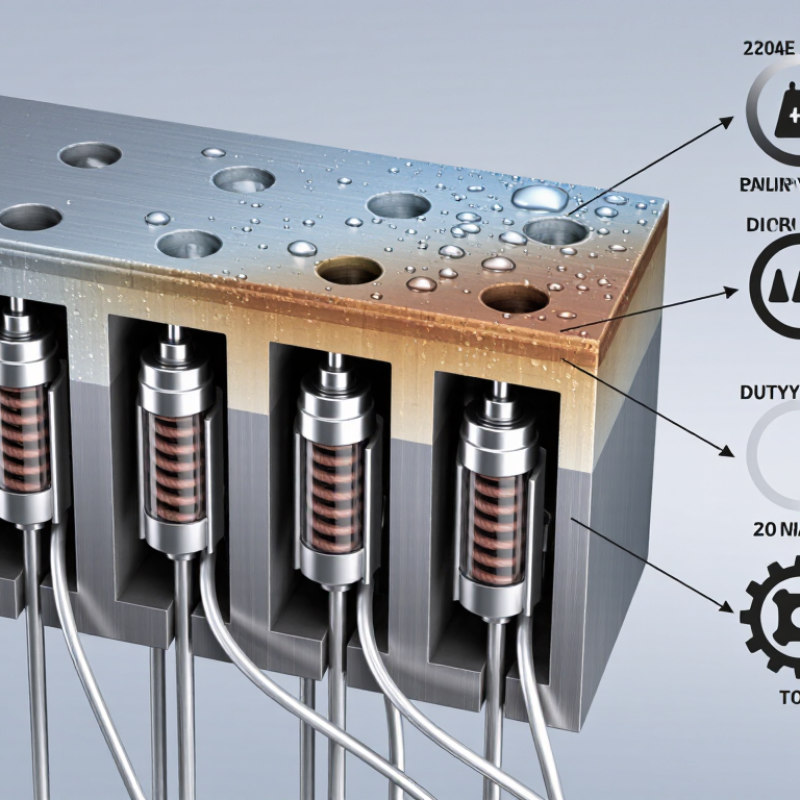
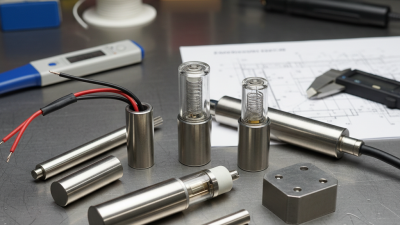
A heat cartridge is a compact resistance heater designed to transfer heat into a metal block, mold, nozzle, or sealed chamber. Its basic structure includes a resistance wire, ceramic insulation, metal sheath, lead wires, and a sealed end. When current passes through the wire, electrical resistance produces heat through Joule heating. The relationship is simple: power equals voltage squared divided by resistance.
Common types include standard cartridge heaters, high-density cartridges, low-density cartridges, and ceramic heating elements. High-density models heat quickly, but they can create hot spots when the surrounding material conducts heat poorly. Low-density designs respond more slowly. They may offer better service life in sensitive applications. Measure the bore carefully. Even a small gap can reduce heat transfer and create uneven temperatures.
Selection should begin with voltage, wattage, diameter, heated length, operating temperature, and watt density. The U.S. Department of Energy’s Industrial Decarbonization Roadmap (2022) reports that process heating represents about 51% of energy use in U.S. manufacturing. The IEA’s Energy Technology Perspectives 2023 also identifies industry as responsible for roughly 37% of global final energy demand. These figures show why efficient heat transfer matters. A properly fitted cartridge can reduce wasted energy and shorten warm-up time. However, calculations alone are not enough. I still check installation pressure, sensor position, insulation, and cycling conditions. A perfect selection is rare. Real equipment often exposes overlooked details.
Choosing the right heat cartridge begins with three measurable questions: What temperature is required? How much power is needed? Which area must be heated?
Define the target temperature at the workpiece, not only at the cartridge surface. For a 2 kg aluminium block heated from 20°C to 180°C in 10 minutes, the ideal energy demand is about 48 kJ, using aluminium’s specific heat of approximately 0.9 kJ/kg·K. That equals roughly 80 W before heat loss. In practice, insulation, mounting gaps, and airflow can raise the requirement to 120–150 W. A perfect calculation is rare. Test it.
Heating area matters as much as wattage. A short cartridge may deliver enough power but create a hot spot near its tip. Match the heated length to the load’s contact zone, and use close mechanical contact for better conduction. Excessive surface loading can shorten service life, especially during repeated cycling. The IEC 60519 series emphasizes temperature control, protective devices, and safe electrical operation for industrial heating equipment. These controls should include an independent over-temperature limiter.
Energy use also deserves attention. The International Energy Agency’s Energy Efficiency 2023 report identifies industry as responsible for about 37% of global final energy consumption. Efficient insulation and accurate sensing can therefore reduce operating waste. Start with the required temperature, calculate power from mass and heating time, then review the result against real measurements. Undersizing causes slow heating; oversizing often causes unstable control.
How to Choose the Right Heat Cartridge?
Match cartridge size, material, and installation method before ordering. A cartridge heater should fit the bore closely, but never forcefully. Excess clearance creates air gaps and slows heat transfer. Excess pressure can distort the heater during expansion. A practical starting point is a bore diameter about 0.05–0.15 mm larger than the cartridge, depending on size and machining accuracy. Confirm this with the supplier’s tolerance data.
Power density matters as much as wattage. The U.S. Department of Energy’s Industrial Decarbonization Roadmap reports that process heating represents about 51% of manufacturing energy use. Efficient heat transfer can reduce wasted energy and uneven temperatures. For aluminum blocks, stainless steel sheaths often provide useful corrosion resistance. In humid or chemically aggressive areas, nickel-based materials may deserve evaluation. Copper can transfer heat quickly, but it may not suit every environment.
Installation changes service life. A dry, clean bore supports better contact and easier replacement. Use a thermocouple near the working zone, not beside the heater lead. IEC 60519-1 emphasizes protection against thermal and electrical hazards in industrial heating equipment. In field testing, uneven loading often causes premature failure. I have seen calculations look perfect, yet poor insertion depth created cold spots. Recheck the actual temperature profile, wiring space, and removal method before approving the design.
Typical maximum watt density varies by installation method. Lower values are used for air heating, while tightly fitted metal blocks can transfer heat more efficiently.
Match the cartridge diameter and length to the bore and heated area. Choose stainless steel for general corrosion resistance, nickel-chromium or Incoloy-type alloys for higher-temperature service, and select a slip-fit, shrink-fit, or brazed installation according to the required heat transfer and serviceability. The values shown are typical engineering guidelines; confirm the final watt density with the heater manufacturer.
Choosing a heat cartridge requires more than matching wattage to a hole. Performance depends on heat-up speed, watt density, temperature control, and contact with the surrounding material. In bench testing, a cartridge with higher wattage reached temperature quickly but created uneven heating near the tip. A lower-wattage model warmed more slowly, yet produced steadier results.
Safety features deserve equal attention. Check the sheath material, insulation resistance, lead protection, and maximum operating temperature. A grounded design can reduce electrical risk in conductive equipment. Built-in temperature sensors may improve control, but they cannot replace a properly rated controller. Inspect the cartridge for damaged leads, discoloration, or loose connections before installation. Small defects matter.
Operating conditions often decide the correct choice. Measure the bore accurately, because a loose fit creates air gaps and reduces heat transfer. A tight fit may cause difficult removal or mechanical stress during expansion. Consider vibration, moisture, dust, cycling frequency, and nearby plastics or seals. In wet environments, verify the enclosure and connector ratings rather than assuming the heater is protected. I have seen otherwise suitable cartridges fail early because heat could not escape from an insulated assembly. That mistake is easy to repeat. Test the installed system at a reduced temperature, monitor surface temperatures, and record current draw during several cycles.
How to Choose the Right Heat Cartridge?
Verify Compatibility, Service Life, and Maintenance Requirements
A heat cartridge must fit the application, not just the drilled hole. Check diameter, heated length, voltage, wattage, lead insulation, and operating temperature. A 10 mm cartridge in a loose 10.2 mm bore may transfer heat poorly. That small gap can create hot spots and early failure. Confirm the heater’s sheath material also suits moisture, corrosion, and the processed material.
Watt density deserves careful attention. The U.S. Department of Energy reports that process heating represents about 51% of industrial energy use. Efficient heat transfer therefore affects both output and operating cost. Ask for the recommended watt density for your tooling and material. Also verify sensor position. A thermocouple placed far from the cartridge may show a safe reading while the heater overheats locally. In practice, this mistake is easy to miss.
Service life depends on installation and maintenance, not only construction. Measure resistance before installation, after wiring, and during scheduled inspections. Loose terminals, contamination, and repeated thermal shock can shorten service life. The U.S. Department of Energy’s Operations and Maintenance Best Practices report links preventive maintenance with 12–18% lower costs than reactive maintenance. That figure is useful, but not universal. Real savings depend on access, workload, and inspection quality. Keep a simple record of resistance, cycle time, and surface condition. It may reveal a gradual decline before production stops.
A practical comparison of common cartridge heater configurations and the checks required for reliable operation.
| Heater Configuration | Typical Electrical Range | Common Diameter / Length | Recommended Application | Compatibility Checks | Expected Service-Life Factors | Maintenance Requirements |
|---|---|---|---|---|---|---|
| Low-watt-density cartridge | 100–1,000 W 12–240 V |
6–25 mm diameter 25–300 mm heated length |
Aluminum plates, sealing bars, dies, and applications requiring gentle heat transfer | Confirm bore diameter, insertion depth, operating voltage, available power, and close contact with the heated block | Generally longer life when watt density is moderate, temperature is controlled, and the heater is fully supported in the bore | Keep the bore clean and dry; inspect terminals and wiring; prevent loose fitting and localized overheating |
| Medium-watt-density cartridge | 250–2,000 W 24–240 V |
8–25 mm diameter 40–500 mm heated length |
Molds, hot runners, packaging equipment, and general industrial heating | Match wattage to thermal load; verify bore tolerance, heated-zone position, lead exit, and controller capacity | Life is strongly affected by cycling frequency, vibration, contamination, and whether the heater operates within its rated temperature | Check insulation resistance during scheduled shutdowns; remove residue from the mounting hole; tighten electrical connections when cold |
| High-watt-density cartridge | 500–3,000 W 24–480 V |
8–32 mm diameter 50–600 mm heated length |
Rapid heating of compact metal blocks, hot tooling, and high-throughput equipment | Confirm heat-transfer material, bore fit, maximum sheath temperature, control accuracy, and adequate heat sinking | Higher surface loading can shorten life if heat cannot escape, the heater runs dry, or the control system overshoots | Use precise temperature control; inspect for discoloration, swelling, and hot spots; do not operate outside the specified installation conditions |
| Moisture-resistant cartridge | 100–2,000 W 24–240 V |
6–25 mm diameter 25–400 mm heated length |
Equipment exposed to washdown, humidity, coolant mist, or intermittent storage | Verify sealing method, lead protection, sheath material, ingress exposure, and the required insulation-resistance level | Moisture ingress, repeated condensation, and damaged lead seals can cause insulation degradation and premature failure | Keep terminals protected; dry and test heaters before energizing after storage; replace damaged seals or leads |
| Flexible-lead cartridge | 100–1,500 W 12–240 V |
6–25 mm diameter 25–300 mm heated length |
Moving assemblies, confined wiring routes, and equipment requiring strain relief | Check lead length, bend radius, insulation temperature rating, routing clearance, and strain-relief requirements | Repeated bending, pulling, sharp edges, and excessive lead temperature are common causes of early failure | Inspect the lead sheath and termination; secure cables away from hot surfaces and moving parts; avoid tight bends |
| Built-in sensor cartridge | 100–2,000 W 24–240 V |
8–25 mm diameter 40–400 mm heated length |
Applications needing closer temperature feedback in a compact heated zone | Confirm sensor type, resistance or signal range, sensor location, controller input, and electrical separation | Incorrect sensor placement or controller tuning can create overshoot, thermal cycling, and accelerated heater aging | Verify sensor readings against a calibrated reference; inspect sensor wiring and controller alarms during routine checks |