Top Flanged Heaters for Efficient Heating Solutions Worldwide?
Flanged heaters have become essential for various industries worldwide. They provide efficient heating solutions, especially in challenging environments. An industry expert, John Smith, emphasizes their importance by stating, "Flanged heaters are designed for reliability and performance in demanding applications."
The versatility of flanged heaters allows them to cater to diverse heating needs. Whether it’s in oil and gas, chemical processing, or food production, these heaters consistently deliver optimal temperature control. They are robust and can be customized to fit specific requirements, but not all flanged heaters are created equal.
Quality should be a crucial factor in selection. Some manufacturers may cut corners, leading to potential malfunctions. This can result in costly downtime and failures. It's vital to choose reputable suppliers who prioritize durability and efficiency in their designs. Making the right choice can ensure long-term reliability in your heating processes.
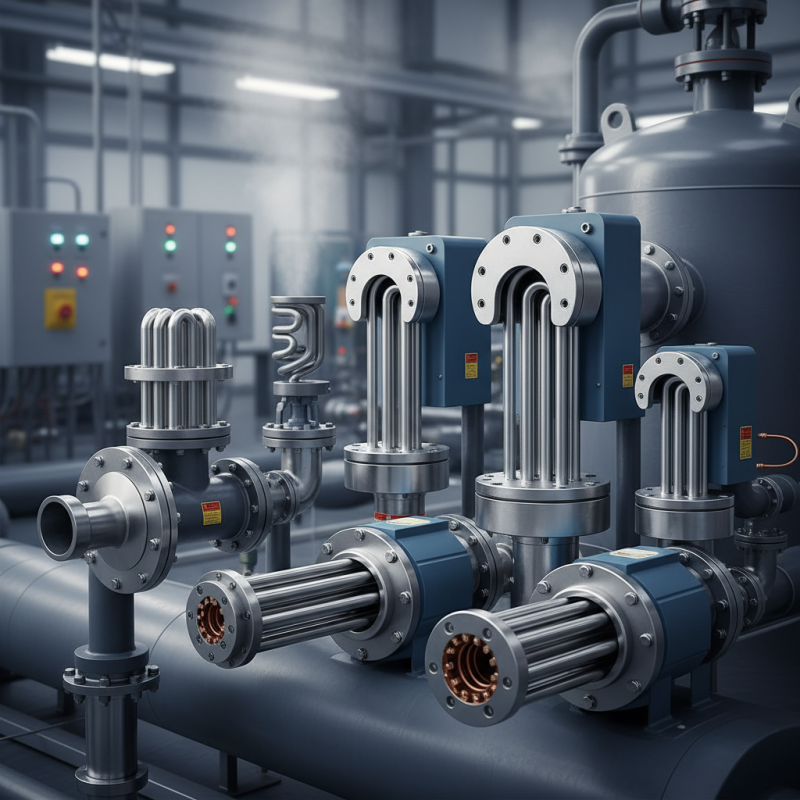
Overview of Top Flanged Heaters and Their Applications
Flanged heaters are vital in various industries, offering efficient heating solutions.
Their design allows for easy installation and maintenance, making them dependable devices in manufacturing plants and food processing facilities.
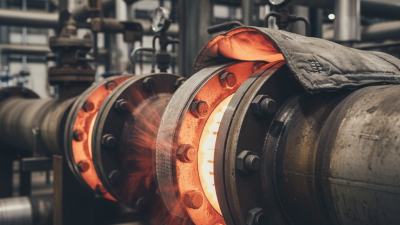
These heaters are mounted to tanks and vessels, providing reliable heat transfer to liquids and gases.
The ability to customize flanged heaters ensures they fit specific application needs.
In chemical processing and oil industries, flanged heaters are crucial.
They prevent freezing and maintain required temperatures. Their robust construction ensures long-term usage under harsh conditions.
However, selecting the right heater requires expertise. Miscalculating power needs can lead to inefficiencies and damage.
It's essential to analyze the application and consult specialists when necessary.
While flanged heaters offer several advantages, not everything is perfect.
Installation can be complex, requiring skilled technicians. Maintenance relies on regular checks for leaks and performance issues.
A flawed system can escalate energy costs and safety risks. Even minor oversights may result in significant consequences.
Understanding these aspects can improve operational safety and efficiency.
Key Features of Flanged Heaters for Efficient Heating Solutions
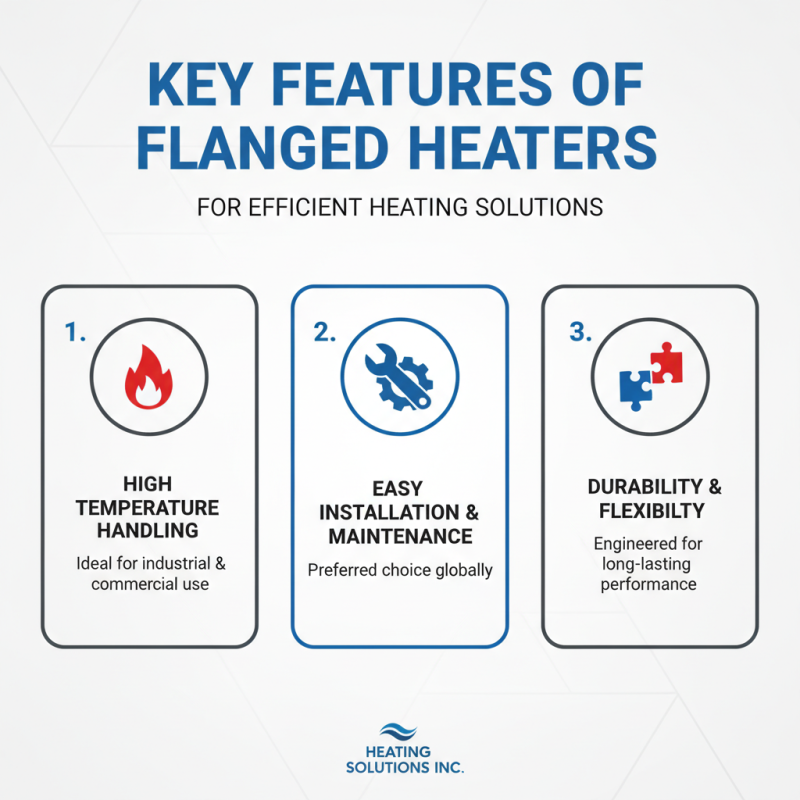
Flanged heaters are essential for various heating applications. They are designed for efficiency, durability, and flexibility. Their structure allows easy installation and maintenance, making them a preferred choice worldwide. One key feature is the ability to handle high temperatures. This makes them suitable for industrial and commercial settings.
Water and steam are commonly heated using flanged heaters. They can accommodate different fluids, adding to their versatility. Users appreciate their robust design, which often includes corrosion-resistant materials. This ensures longevity in even the harshest environments. The ease of customization also stands out. Adjustments can be made based on specific heating requirements.
Tips: Regular maintenance is vital. Check for signs of wear to prevent costly downtime. Ensure correct installation for optimal performance. Also, consider energy efficiency; using the right heater can significantly reduce operational costs. Choosing the right power output is crucial for effective heating. Users should reflect on their specific needs before making a decision.
Comparison of Various Flanged Heater Designs and Technologies
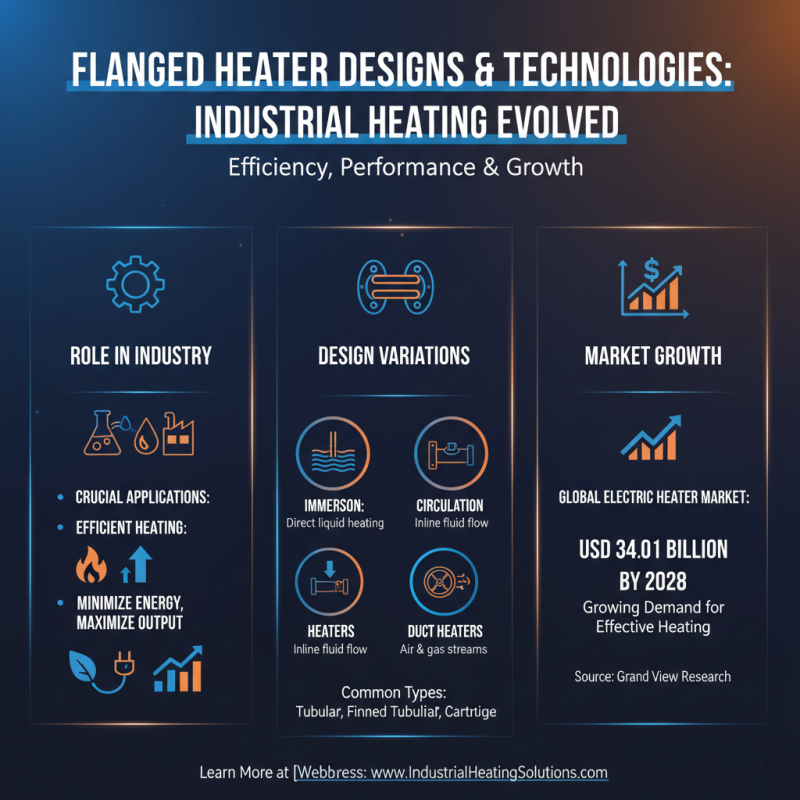
Flanged heaters play a crucial role in a variety of industrial applications. They offer efficient heating solutions that minimize energy consumption while maximizing output. According to a market report by Grand View Research, the global electric heater market is projected to reach USD 34.01 billion by 2028, signaling a growing demand for effective heating technologies.
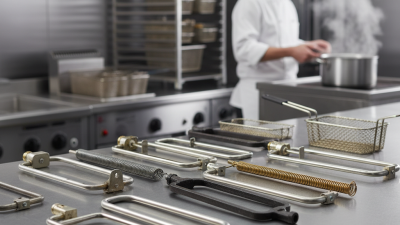
Different designs exist in the flanged heater category. They include cast-in, immersion, and air heating types. Each design has unique advantages and limitations. Cast-in heaters excel in temperature uniformity but can suffer from longer installation times. Immersion heaters provide rapid heating but may have limited lifespan depending on fluid type. It’s vital to choose the right technology based on specific application needs.
A challenge lies in the materials used for flanged heaters. Stainless steel is common for its durability, yet it might not perform well in corrosive environments. Understanding the nuances of material selection is essential. Research indicates that over 25% of heating failures can be traced back to improper material choice. Industries need ongoing evaluation of heater performance to ensure reliability and efficiency.
Global Trends in Flanged Heater Manufacturing and Use
The global market for flanged heaters is evolving rapidly. Industries are increasingly recognizing the benefits of efficient heating solutions. This trend is driven by the need for energy conservation and cost efficiency. Flanged heaters provide effective heat transfer, making them popular in various applications.
Manufacturers are innovating to create more durable and versatile heating elements. They focus on materials that withstand high temperatures and corrosive environments. These improvements enhance reliability. As a result, industries can depend on these heaters for their critical processes. Effective heating is a core component for successful operations.
Tips: When selecting a flanged heater, consider the operating environment. Assess temperature ranges and material compatibility. Regular maintenance is key to ensuring optimal performance. Monitoring replacements can prevent downtime and enhance efficiency. Always consult with experts when in doubt.
Advantages of Choosing Flanged Heaters for Industrial Heating Needs
Flanged heaters are becoming increasingly popular for industrial heating solutions due to their efficient performance. They provide significant advantages in various applications, such as fluid heating, process heating, and temperature maintenance. A report by the U.S. Department of Energy states that flanged heaters can improve heating efficiency by 20-30% compared to conventional methods. This enhancement leads to cost savings and a smaller carbon footprint.
One of the key benefits of flanged heaters is their reliability. These devices can withstand high pressures and temperatures, making them ideal for demanding industrial environments. Additionally, their design allows for easy installation and maintenance, which minimizes downtime. However, it is crucial to choose the correct specifications to avoid inefficiencies or potential failures.
Tips: Always consult with experts to ensure you select the right flanged heater size for your application. Regular maintenance checks can prevent unexpected failures. Understand the operational limits; exceeding them can lead to suboptimal performance and safety risks. Consider piecing together data from several industry reports to make informed decisions.