What is Inline Heating and How Does It Work?
Inline Heating is an innovative technology used in various industries. It provides efficient heat transfer without the need for traditional heating systems. This method heats fluids or gases directly within pipes or tubes. As a result, it enhances process efficiency and reduces wait times.
Many companies now rely on Inline Heating. It minimizes energy waste and optimizes production processes. When implementing this system, careful consideration is needed. Not all applications may benefit equally. For some, the initial costs might seem high. However, the long-term savings can justify the investment.
Understanding Inline Heating requires expertise. It’s essential to analyze the specific needs of each application. A one-size-fits-all solution rarely works. Each project demands its unique approach. Proper research and planning are vital for success in using this advanced heating method.
What is Inline Heating?
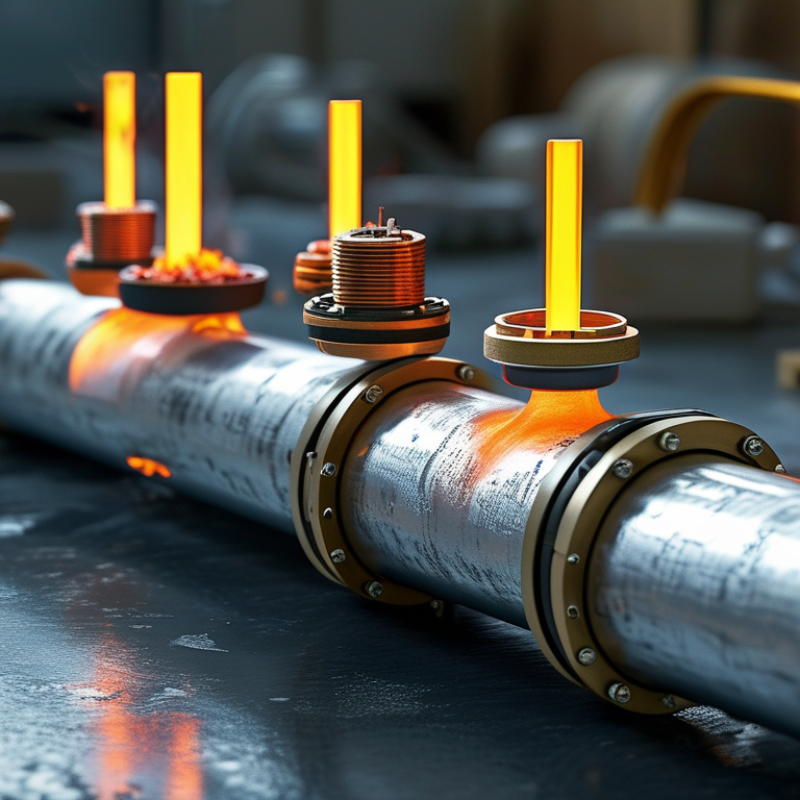
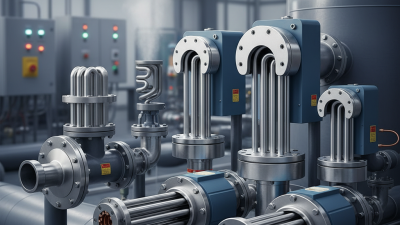
Inline heating is a modern approach to heating fluids as they travel through pipes. This technology is primarily used in industrial applications, but its benefits are being recognized in residential settings too. The key idea is simple: the heating elements are installed directly in the flow path. As the fluid moves, it picks up heat quickly and efficiently. This process minimizes energy loss, which is crucial for both cost-saving and environmental impact.
Inline heating boasts several advantages. It provides precise temperature control and rapid response times. For instance, instead of heating large volumes of water in a tank, the system heats it on demand. This means no waiting for water to warm up. However, not every system is perfect. Understanding the installation and maintenance requirements can be complex. Inadequate installation could lead to inefficiencies or even system failure. Ensuring proper alignment and insulation is essential for optimal performance.
There are also concerns about energy consumption. While inline heating can be efficient, the demand for electricity during peak times can strain resources. This can lead to higher costs in some regions. Users should weigh the benefits against potential drawbacks for their specific needs. It's essential to be aware of these factors before deciding on an inline heating system.
Principles Behind Inline Heating Technology
Inline heating is an innovative technology that improves energy efficiency in various applications. This method involves the direct heating of materials as they pass through a system. The primary principle behind inline heating is that heat is generated right where it is needed. This reduces heat losses typically seen in traditional heating methods.
Heat conduction is essential in inline heating systems. When materials move through heating elements, they absorb energy quickly. This rapid transfer ensures uniform heating. Another critical aspect is control. Precise temperature regulation allows for consistent results, which is vital in industrial processes. Each material reacts differently to heat, so flexibility in settings is necessary.
Despite its advantages, inline heating is not without challenges. Installation can be complex, requiring skilled professionals. Maintenance should not be overlooked; a failure can lead to production delays. Moreover, initial costs can be high, which might discourage some adopters. These factors call for careful consideration and review of practical implementations.
What is Inline Heating and How Does It Work?
| Dimension |
Description |
Benefits |
Applications |
| Heating Method |
Operation through direct contact or induction heating techniques. |
Energy efficiency and quick heating response. |
Industrial processing, water heating, and HVAC systems. |
| Temperature Control |
Precision in maintaining desired temperatures through sensors. |
Enhanced control systems reduce overheating risks. |
Food processing, chemical processes, and pharmaceuticals. |
| Installation |
Can be integrated into existing systems with minimal disruption. |
Reduction in installation downtime and costs. |
New construction and retrofitting existing infrastructures. |
| Safety |
Incorporates safety features that monitor and control heat output. |
Increased worker safety and equipment longevity. |
Manufacturing plants, laboratories, and workshops. |
Applications of Inline Heating Systems
Inline heating systems offer numerous applications across various industries. They are especially popular in food processing, where they help maintain product quality. By heating liquids directly within the flow path, these systems can prevent bacteria growth. This ensures safety and enhances microbial stability during food production.
In the pharmaceutical industry, inline heating is crucial for maintaining precise temperatures. This accuracy is vital for drug formulations that require specific thermal conditions. These systems are also used in chemical processing, allowing for controlled reactions without delays.
Tips: Regular maintenance of inline heating systems can prevent unexpected downtimes. Always monitor temperature readings closely for optimal performance. When designing an inline setup, consider the material compatibility to avoid corrosion. Each application has unique requirements, and attention to detail ensures efficiency.
Benefits of Using Inline Heating
Inline heating is gaining popularity due to its numerous benefits. This method efficiently heats fluids as they move through pipes, ensuring consistent temperature control. One major advantage is the enhanced energy efficiency it provides. By heating liquids on demand, businesses can reduce wasted energy significantly. This technology can lead to lower utility bills over time.
Flexibility is another noteworthy benefit. Inline heating systems can be customized for various applications, from industrial processes to residential use. Furthermore, these systems are often compact, making installation easier. However, it’s essential to consider maintenance. Regular checks are needed to ensure optimal performance and prolong the system's lifespan.
Cost savings are a significant factor that many overlook. While initial setup may be higher than traditional methods, the long-term savings often outweigh these costs. Businesses should be aware of the potential for unexpected repairs. Balancing upfront costs with future savings requires careful planning. Inline heating can offer remarkable benefits, but understanding the full scope of its use is crucial for effective implementation.
Comparison with Traditional Heating Methods
Inline heating offers a modern alternative to traditional heating methods. Unlike conventional systems, which heat large volumes of air, inline heating delivers warmth directly to users. This targeted approach can provide comfort faster and more efficiently. According to a 2022 report by the International Energy Agency, inline heating systems can reduce energy consumption by up to 25%, making them an attractive option for energy-conscious users.
Traditional heating methods often rely on bulky installations that require significant space. Inline heating systems, however, can be easily integrated into existing infrastructures. This flexibility minimizes disruption during installation. A study by the Energy Research Institute suggests that businesses can save up to 30% on installation costs with inline heating. While traditional methods tend to create uneven heat distribution, inline systems provide a more consistent experience, though they may require careful planning for optimal placement.
Despite their advantages, inline heating systems are not without challenges. Users need to ensure proper sizing and installation for maximum efficiency. An improper setup can lead to inadequate heating or wasted energy. Some homeowners and businesses report difficulties in adjusting settings, highlighting the need for user education. Furthermore, ongoing maintenance is essential to sustain performance over time.