Heating choices deserve more than a warm marketing promise. The International Energy Agency’s Energy Efficiency 2023 report states that buildings consume about 30% of global final energy. Space heating remains a major contributor in colder regions. This makes efficient room heating worth examining carefully.
An Odm Oil Heater is typically an oil-filled electric radiator developed through an original design manufacturer partnership. ODM describes the supply model, not a separate fuel type. The manufacturer may engineer the casing, control panel, thermal system, and safety features for another brand. Inside, an electric resistance element heats sealed thermal oil. The oil transfers heat to metal fins, which warm the surrounding air through convection and nearby surfaces through gentle radiation. A thermostat then cycles the element to maintain the selected temperature.
The process is quiet. There is no flame. Yet “oil heater” can sound misleading. The oil usually does not burn or require refilling; it acts as a heat-transfer medium. Product performance depends on wattage, room insulation, thermostat accuracy, and operating time. It is not automatically more energy-efficient than every competing electric heater. The U.S. Energy Information Administration identifies space heating as the largest residential energy use in many American homes, so practical operating costs matter. Buyers and importers should also review applicable requirements, including IEC 60335-2-30 or UL 1278, depending on the market. These standards address household heater safety, but certification claims still require verification. A careful evaluation should examine overheating protection, tip-over design, surface temperature, controls, warranty support, and test documentation. Small details matter. Even reputable suppliers can provide incomplete specifications.
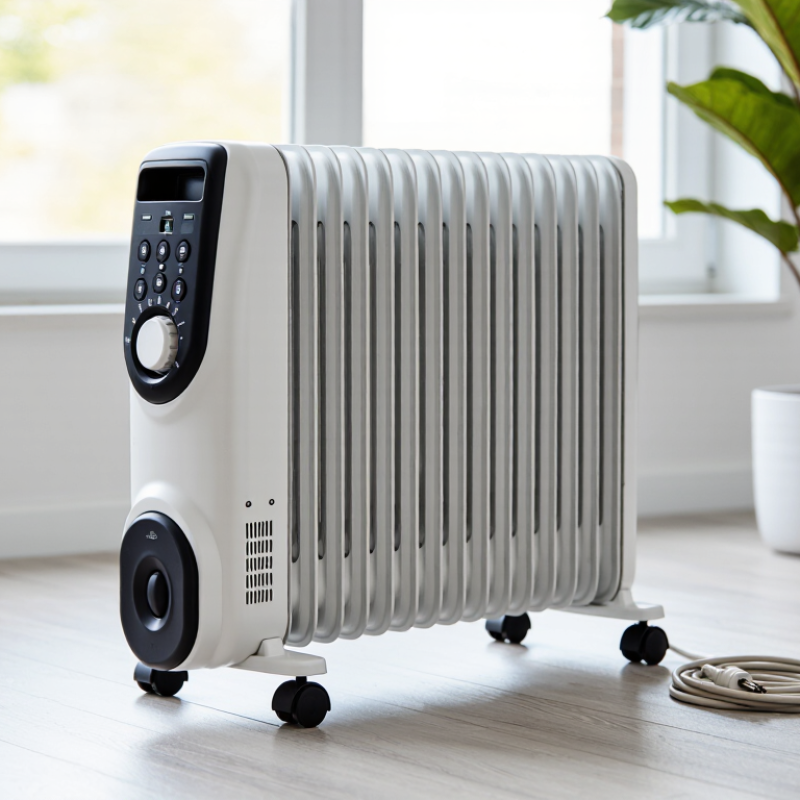
An ODM oil heater is an oil-filled electric radiator developed and manufactured by an original design manufacturer. A seller can choose a base model, then request changes such as casing color, control layout, packaging, or thermostat options. The finished heater is sold under the seller’s own name. In practical terms, the supplier contributes much of the product design, not only factory capacity.
That differs from an OEM arrangement, where a buyer typically provides more of the product specification or design. The boundary is not always neat. A client may alter an existing ODM model so extensively that both sides shape its design. It is worth asking who controls the drawings, testing records, and future design changes before placing an order.
The heater itself contains sealed thermal oil and an electric element. The element warms the oil, which transfers heat to the metal fins; those fins warm the room through radiation and natural airflow. The oil is not burned or normally topped up. Quiet operation is a practical benefit, though the unit can take time to warm a cold room. Features also vary: check the thermostat range, overheat protection, tip-over switch, and electrical rating on the specific model. A tidy sample on a showroom floor does not tell you how it performs after months of daily use.
An ODM oil heater is typically an oil-filled electric radiator made to a customer’s design or specifications. Its outer metal panels form sealed channels containing heat-transfer oil. The oil does not burn or need replacing during normal operation. Inside the lower section, an electric resistance element warms the oil when the heater is switched on. Warm oil circulates through the channels, carrying heat toward the panels.
The panels release heat into the room by radiation and natural convection. Air near the warm metal rises; cooler air moves in below it. No fan is needed in many models. Quiet, but not instant. A thermostat senses room temperature and cycles the element to limit overheating and maintain a chosen setting. A separate thermal cut-off can interrupt power if internal temperatures become unsafe. The dial may feel simple, though its reading is not always an exact measure of room temperature.
Other visible components include an insulated power cord, control switches, and a stable base with feet or castors. The casing shields the hot internal parts, but its surface can still become very warm. Component layout varies with the heater’s size and intended use, so service instructions matter. A small detail, often overlooked: keeping the heater upright helps the oil distribute as designed.
What Is an ODM Oil Heater and How Does It Work?
An ODM oil heater is an appliance made by one manufacturer for another company to sell under its own label. Inside, electricity flows through a sealed resistance element, which warms the oil surrounding it. The oil circulates naturally as warmer fluid rises and cooler fluid sinks. It carries heat to the metal panels, which then warm the room through radiation and convection. No fuel is burned, and the oil is not used up during normal operation.
The process is gradual. A heater may take several minutes to feel warm, but its metal surface can continue releasing heat after the element switches off. A thermostat cycles the element to help maintain the selected temperature. Its reading may not match every corner of a room, especially near a draft or cold window. That’s worth checking.
Tips: Place the heater on a level, open area, away from curtains and furniture. Keep air vents clear, and follow the supplied manual for safe use. Don’t assume a warmer setting heats the room faster; it generally just keeps the element on longer. A small room can still feel unevenly heated.
| Topic | How It Works | Typical Details |
|---|---|---|
| ODM meaning | An original design manufacturer develops and produces a heater that another business may sell under its own identity or specifications. | Design, features, enclosure, controls, and packaging may be customized by agreement. |
| Electrical input | Electricity flows through the heater’s internal resistance element when the unit is switched on. | Supply voltage and rated power depend on the model and the electrical standard of the intended market. |
| Heat generation | Electrical resistance converts electrical energy into heat in the element, following the Joule heating principle. | For a resistive heater, input power is primarily converted to heat at the point of use. |
| Oil and sealed columns | The element warms heat-transfer oil sealed inside metal columns. The oil circulates internally as warmer oil rises and cooler oil sinks. | The oil transfers heat to the metal body; it is not normally burned as fuel. |
| Room heating | The heated surfaces warm nearby air by natural convection and transfer heat to surrounding objects by radiation. | Warm-up time and heat distribution vary with heater output, room conditions, and placement. |
| Thermostat and controls | A thermostat or electronic control cycles the heating element to maintain a selected temperature range. | Some models also provide multiple power settings, a timer, or a display. |
| Heat retention | The oil and metal body store heat and continue releasing it for a time after the element switches off. | Stored heat can smooth temperature changes, but it does not create additional energy or guarantee lower electricity use. |
| Safety features | Depending on the model, protective controls may interrupt power during overheating or if the heater tips over. | Features vary; follow the product instructions and keep the heater clear of curtains, bedding, and other combustibles. |
An ODM oil heater is an electric heater designed and manufactured for another company’s product line. Its sealed metal columns contain special thermal oil. Electricity heats an internal resistance element, and the oil stores that heat for gradual release. The oil does not burn, evaporate, or need replacement during normal use.
Heat circulation depends on convection. Warm air beside the heater becomes lighter and rises toward the ceiling. Cooler air moves in from below, creating a slow circulation loop through the room. The warmed air then travels across the upper space before cooling and descending near walls or windows. This movement is quiet, but it is not instant.
Radiant heat also travels directly from the hot metal surface to nearby furniture and people. In practical use, placing the heater near an exterior wall can reduce cold spots, while blocking its fins with curtains can restrict airflow. Keep clear space around it. A small room may feel comfortable after several minutes, yet the corners can remain cool. That detail is easy to overlook.
The oil continues releasing warmth after the element switches off. This improves stability but slows temperature changes. I have found that a lower, steady setting often feels more consistent than repeated high-power cycles. Still, room insulation, ceiling height, and furniture placement can change the result. Heat circulation is helpful, not perfectly even.
An ODM oil heater uses electricity to heat sealed thermal oil inside metal fins. The oil stores heat and releases it gradually into the room. Unlike a fan heater, it works quietly and produces no direct airflow. In practical use, the fins become warm first, while the room heats more slowly. This delay can surprise new users.
Good design begins with stable heat control. An adjustable thermostat cycles the heating element instead of running continuously. Many models also include several power settings, allowing users to match output with room size. Wide fins improve heat transfer, while a strong base reduces tipping. Small details matter here. A loose control knob or uneven frame can affect daily confidence.
Safety depends on layered protection. A thermal cutoff should stop operation if internal temperatures rise too far. A tip-over switch can cut power when the heater moves from its upright position. The outer surface should remain managed, not dangerously hot, although it still requires careful handling. The oil circuit must stay sealed and should never be opened at home. Keep curtains, bedding, and furniture away from the heater.
Efficiency is not only about wattage. A room with poor insulation can waste heat quickly. Using a timer and lowering the thermostat during sleep may reduce unnecessary energy use. However, timers are not a substitute for supervision. I would also inspect the plug, cable, and casing regularly. Small wear is easy to ignore, and that is where real problems can begin.