Top 10 Benefits of Using a Bitumen Heater for Your Projects?
In the construction and road maintenance sectors, efficient material handling is critical. Bitumen, a key component in asphalt production, requires precise temperature control during application. According to industry reports, improperly heated bitumen can lead to costly project delays and damaged materials. A Bitumen Heater plays a vital role in ensuring optimal application conditions.
A well-functioning Bitumen Heater offers multiple advantages. It not only enhances bitumen's flow properties but also ensures consistent performance in varying weather conditions. The efficiency of these heaters can significantly reduce energy consumption. Studies indicate that projects using advanced heating systems can save up to 20% on fuel costs. This illustrates not only cost-effectiveness but also environmental responsibility.
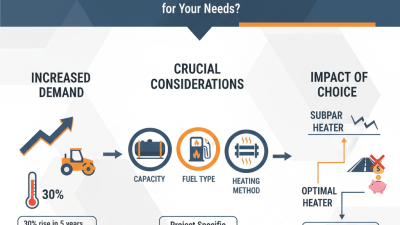
Yet, the choice of Bitumen Heater should not be overlooked. Poor equipment can result in uneven heating and ultimately compromise the integrity of the work. Choosing the right model ensures reliability and performance. Thus, understanding the benefits and proper utilization of Bitumen Heaters is crucial for successful project outcomes. Making informed decisions in this area can lead to substantial improvements in both efficiency and quality.
Benefits of Enhanced Temperature Control in Bitumen Heating
Enhanced temperature control is crucial in the bitumen heating process. Achieving the right temperature ensures that the bitumen flows smoothly, improving its workability. Properly heated bitumen adheres better to surfaces, creating stronger bonds for construction projects. Inconsistent temperatures can lead to uneven application, risking structural integrity.
Using a bitumen heater allows for precise temperature management. This technology minimizes the risk of overheating or underheating. Overheating can damage the bitumen, while underheating can impair its application. The ability to monitor temperatures closely leads to better project outcomes. Workers can focus on quality without frequent interruptions to check temperature levels.
When using a bitumen heater, consider following best practices. Keep the heater clean to maintain efficiency. Regularly calibrate the temperature settings to ensure accuracy. Monitor weather conditions as they can affect heating performance. These simple steps enhance overall project effectiveness.
Improved Efficiency in Material Application with Bitumen Heaters
Bitumen heaters are essential tools that can significantly enhance project efficiency. Their primary advantage lies in their ability to heat bitumen quickly and evenly. This means no more waiting for long periods before application. The consistent heat ensures that the material maintains its ideal consistency, facilitating a smoother application process. As a result, this can save time and reduce labor costs, which are crucial in project management.
Using a bitumen heater leads to better binding and adhesion properties. When bitumen is applied at the right temperature, it adheres more effectively to surface materials. This increases the longevity of the application, reducing the need for frequent repairs. However, it’s also important to monitor temperatures closely. Overheating can degrade bitumen quality, leading to unintended consequences. Thus, having a well-calibrated device is key for optimal results.
Moreover, bitumen heaters can reduce waste during application. When bitumen is heated to the appropriate level, it flows more efficiently. This minimizes spills and excess usage. Yet, one must remain vigilant about monitoring usage to prevent wastage. It’s a balance of efficiency and resource management. By perfecting this process, projects not only become more cost-effective but also more sustainable in the long run.
Safety Advantages of Using Bitumen Heaters on Job Sites
Bitumen heaters play a crucial role in enhancing safety on job sites. The use of controlled heating methods minimizes hazards associated with handling hot bitumen. According to the National Fire Protection Association, improper handling of bitumen can lead to significant accidents. By utilizing specialized heating equipment, workers lower the risks of burns and exposure to hazardous fumes.
Job sites often face the potential for slips and falls. Keeping the bitumen at a consistent temperature eliminates the likelihood of it solidifying unexpectedly. This consistency ensures that workers have a reliable material to work with, greatly reducing the chance of accidents. Reports indicate that nearly 30% of construction injuries stem from slips. Hence, maintaining proper material conditions can mitigate such risks.
When working with bitumen, trained personnel should always manage heaters. Proper training ensures that workers understand the safety protocols. Frequent safety audits can further identify potential risks. In addition, employing appropriate personal protective equipment, such as heat-resistant gloves and goggles, protects workers from any unforeseen incidents. Regular maintenance of heating devices is essential to avoid failures.
Cost-effectiveness of Bitumen Heaters for Long-term Projects
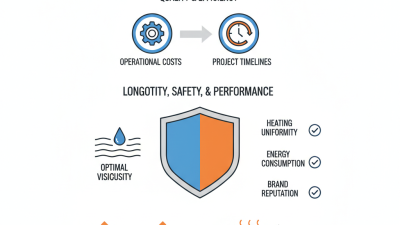
When considering long-term projects, the cost-effectiveness of bitumen heaters becomes apparent. Recent industry reports show that these heaters can reduce energy consumption by up to 30% compared to traditional methods. This significant saving can lead to lower operational costs over a project's lifespan. Moreover, efficient heating ensures optimal bitumen viscosity, promoting better application rates and reducing waste.
In 2022, a study found that projects utilizing bitumen heaters experienced a 15% increase in productivity. This efficiency directly correlates with quicker project completion and, in turn, reduced labor costs. However, it is essential to recognize that initial investments in high-quality heaters may appear substantial. Yet, the return on investment over time typically outweighs these upfront costs, making it a sound financial decision for contractors.
Learning about the long-term benefits is vital, but the effectiveness of bitumen heaters can vary based on usage patterns. Some projects may involve frequent start-and-stop operations, affecting heating efficiency. Contractors should gauge their specific needs and project timelines to ensure they maximize the benefits of their heating solutions. Balancing initial costs with potential long-term gains requires careful consideration, but the data supports a strong case for these machines.
Environmental Considerations When Using Bitumen Heating Solutions
Bitumen heating solutions can significantly impact the environment, both positively and negatively. Efficient bitumen heaters can reduce energy consumption, which lowers greenhouse gas emissions. However, the construction industry must also be cautious about air quality. The heating process can release volatile organic compounds (VOCs) if not managed well. This highlights the importance of using advanced technologies that minimize harmful emissions.
Another consideration is waste management. Proper disposal of bitumen and related materials is crucial in protecting soil and water sources. Some methods can generate waste, prompting the need for effective recycling solutions. Companies should invest in training their staff to handle materials responsibly. This not only fosters compliance with environmental regulations but also builds a culture of sustainability within the organization.
Incorporating renewable energy sources can enhance the benefits of bitumen heating solutions. Solar or geothermal energy could lower the carbon footprint. However, these alternatives may not always be practical in every location. A combination of traditional and renewable approaches may be necessary, requiring ongoing evaluation of effectiveness. The ongoing challenge lies in balancing efficiency with environmental stewardship.