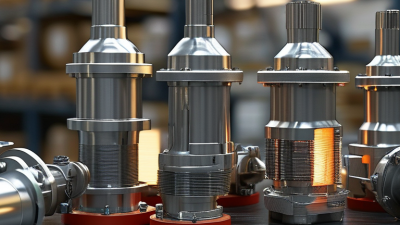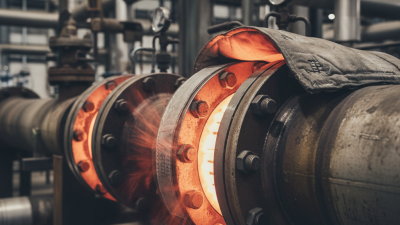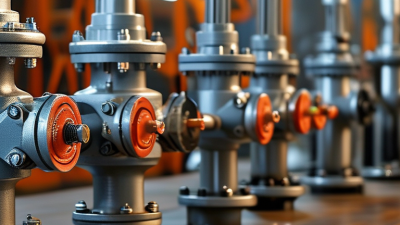
Choosing the right flange heating method can influence installation speed, temperature control, energy use, and worker safety. This guide examines the Top 10 Flange Heating Types for Global Buyers, using practical factors rather than marketing claims. Each method serves a different operating condition. Some suit compact pipe joints, while others handle large flanges, stubborn bolts, or cold outdoor sites.
Flange Heating may involve electric resistance, induction, ceramic pads, flexible heating blankets, rope heaters, cartridge systems, or custom-built solutions. The best option depends on flange size, material, heating temperature, available power, insulation, and maintenance access. For example, a stainless-steel flange may respond differently from a carbon-steel assembly. A narrow work area may also limit equipment placement. Small details matter.
This comparison focuses on measurable performance and real purchasing concerns. These include warm-up time, temperature uniformity, controller accuracy, installation effort, durability, and after-sales support. It also considers documentation, operator training, and compatibility with regional electrical standards. Reliable suppliers should provide test records, clear specifications, and practical guidance from experienced engineers. Claims still need checking.
No ranking is perfect. Real projects differ.
A heating system that performs well in a workshop may struggle on a windy platform or inside a confined maintenance area. Buyers should review drawings, site conditions, risk controls, and service history before choosing equipment. The following overview offers a clear starting point, while leaving room for technical verification and professional judgment.
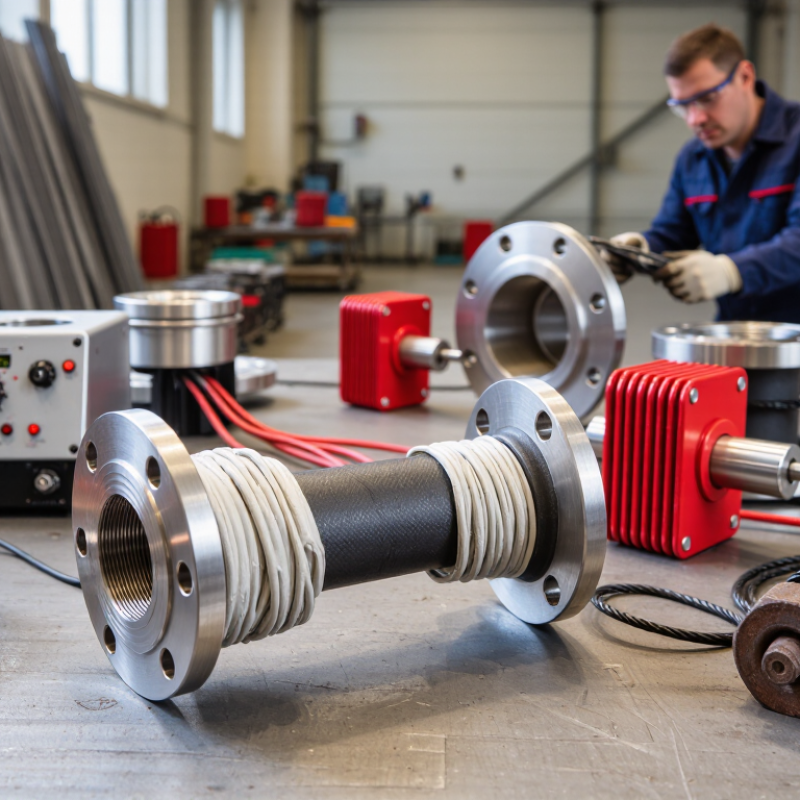
For ASME B16.5 flanges from NPS ½ to 24, heating equipment must match diameter, thickness, and pressure class. The flange rating does not define a heating method. It defines dimensions, bolting, and pressure-temperature requirements. Common choices include induction heating, electrical resistance blankets, ceramic pads, flexible heating cables, infrared panels, hot-air systems, gas burners, steam jackets, hot-oil circulation, and controlled heating ovens.
Induction heating responds quickly around dense steel sections. It also needs careful coil positioning. Resistance blankets suit smaller flanges and localized work. Ceramic pads handle higher temperatures, but uneven contact can create hot spots. Flexible cables fit irregular assemblies.
Infrared panels work well where access is open. Hot air and gas heating remain practical outdoors, although wind reduces consistency. Steam and hot oil provide stable process control when suitable utilities exist. Ovens offer uniform heating, but large NPS 24 assemblies may need unusual arrangements.
Class 150 hardware may tolerate a simpler setup, while Class 2500 work demands stricter temperature control and inspection records. Never judge heating performance by surface color alone. Use calibrated sensors at multiple points, especially near the hub and bolt circle.
A clean setup can still produce a temperature gradient. That mistake is easy to miss. Buyers should verify material grade, gasket limits, allowable heating temperature, insulation, and cooling procedures with qualified engineering personnel.
Product drawings and test reports should support every selection.
Heat-source selection affects temperature control, installation effort, and operating safety. Electric resistance heaters suit compact flange assemblies and provide steady, measurable heat. Flexible heating blankets follow curved surfaces, while ceramic elements tolerate demanding industrial temperatures. Induction systems heat compatible metal flanges quickly, with limited contact and clean working areas. They may require careful coil positioning and suitable electrical capacity.
Gas heating includes direct-flame and indirect-air systems. Direct flame can deliver strong output, but uneven heating remains a practical concern. Indirect systems offer better separation from the workpiece.
Steam jackets and steam coils provide reliable heat where a stable steam supply exists. However, condensate drainage needs attention.
Thermal oil systems support even heating over long operating periods, especially in processing equipment.
Radiant infrared heaters respond quickly and work well when line-of-sight exposure is available. They can struggle around blocked or heavily insulated surfaces.
Tips:
Check flange size, material, target temperature, heating speed, insulation, and available utilities before choosing. Ask for temperature mapping, not only rated wattage. In field work, real heat loss often exceeds early estimates. That detail is easy to miss. Induction and radiant systems may look efficient, yet installation geometry can reduce performance. Electric options are simpler in many facilities, but they are not always the cheapest over time. Review maintenance access, controls, emergency shutoff, and local technical requirements with a qualified engineer.
For flange work, heater choice changes temperature control, installation time, and energy loss.
Electric resistance blankets usually deliver 2–15 kW, with ramp rates near 1–3°C per minute. Ceramic pad heaters can reach 5–30 kW and heat thicker flanges faster, but uniformity depends heavily on contact pressure. Induction systems often provide 10–100 kW and ramp rates above 5°C per minute. They are efficient, although magnetic coupling varies with geometry and material.
Band heaters commonly operate at 1–10 kW and provide good circumferential coverage. Clamp-on resistance heaters simplify field installation, but gaps can create cold spots.
Flexible jacket heaters offer useful uniformity across irregular surfaces, typically at 1–8 kW. Hot-air systems are less precise, often below 60% thermal efficiency, yet they remain practical for low-temperature work.
Steam jackets can heat evenly when suitable plant utilities exist. Thermal-oil jackets provide stable, gentle heating, but their pumps and hoses increase maintenance.
Infrared heaters ramp quickly, sometimes above 8°C per minute, though line-of-sight heating can reduce uniformity.
The U.S. Department of Energy’s Process Heating Technology Assessment identifies insulation, controls, and heat recovery as recurring energy-saving measures.
DOE Better Plants case studies frequently report process-energy reductions of roughly 5–20% after system assessments and control improvements.
The International Energy Agency reports that industry consumes about 37% of global final energy, making avoidable heating losses significant.
These figures are broad, not flange-specific. Real performance depends on flange mass, insulation thickness, sensor placement, and wind. A 20 kW system may heat slowly if its power is poorly coupled. That detail is easy to miss. ISO and ASME practices also emphasize calibrated measurement and controlled ramping, but field installations still need verification.
Top 10 Flange Heating Types for Global Buyers
Material and joint selection strongly influence flange heating performance. Carbon steel flanges suit many moderate-temperature systems and tolerate controlled preheating well. However, rapid heating can create uneven expansion, especially in thick hubs. Watch the wall thickness. Resistance heating offers steady coverage, while induction heating provides faster local control. The correct method depends on geometry, temperature targets, and available monitoring equipment.
Stainless steel flanges resist corrosion, but they can distort when heat spreads unevenly. Lower heat input and gradual cooling often protect alignment and surface quality. Alloy flanges demand closer control because their properties vary widely. Review the material certificate, approved temperature range, and required post-weld treatment before heating. Small details matter.
Joint design changes the risk. Butt-weld flanges usually need accurate preheating across the weld zone. Socket-weld and threaded joints may concentrate heat near smaller sections. Lap-joint flanges require careful control around the stub end and backing area. In field work, technicians should place thermocouples on both sides of the joint, not only near the heater. A qualified welding engineer should verify the procedure and records. There is no universal winner. Cost, access, thickness, corrosion service, and inspection requirements can point toward different heating choices. A cheaper setup may still produce costly distortion.
A practical comparison of flange materials, heating methods, joint designs, temperature ranges, and selection considerations
| No. | Flange Heating Type | Typical Flange Material | Common Joint or Gasket Selection | Typical Operating Temperature Range | Heating Method or Service | Recommended Application | Key Selection Consideration |
|---|---|---|---|---|---|---|---|
| 1 | Electric Resistance Heating | Carbon Steel ASTM A105 | Spiral-wound gasket with graphite filler | -29 to 400°C | Flexible resistance blankets, ceramic pads, or band heaters | Preheating and controlled heating of pipe flanges before welding or maintenance | Provides uniform surface heating; temperature sensors should be attached near the weld area and flange hub. |
| 2 | Induction Flange Heating | Low-alloy steel ASTM A182 F11 or F22 | Metallic ring-type joint or graphite-compatible spiral-wound gasket | 200 to 650°C | Induction coils for rapid preheating, post-weld heat treatment, or stress relief | High-temperature power piping, pressure vessels, and alloy-steel weld areas | Heating rate and interpass temperature must follow the applicable welding procedure and material specification. |
| 3 | Steam-Jacket Heating | Stainless Steel ASTM A182 F304 or F316 | PTFE-envelope gasket for moderate temperature service or graphite spiral-wound gasket for higher temperatures | -29 to 250°C | Low-pressure steam circulating through a jacket or heating channel | Viscous chemicals, asphalt, polymers, oils, and process lines requiring steady heat | Use compatible stainless steel and gasket materials where condensate or process fluid may cause corrosion. |
| 4 | Hot-Air Heating | Carbon Steel ASTM A350 LF2 | Compressed non-asbestos fiber gasket or graphite gasket, selected by temperature and media | -46 to 300°C | Recirculating hot air or electrically heated air systems | Flange drying, moisture removal, low-temperature preheating, and non-contact process heating | Suitable for gradual heating but less efficient than induction for thick flanges or high thermal loads. |
| 5 | Thermal-Oil Heating | Stainless Steel ASTM A182 F316L | Expanded graphite or spiral-wound stainless steel and graphite gasket | -20 to 350°C | Hot thermal oil circulated through a jacket, clamp-on panel, or heating channel | Food, pharmaceutical, chemical, and polymer lines requiring stable indirect heating | Thermal-oil compatibility, system cleanliness, and jacket pressure rating are essential design factors. |
| 6 | Steam Tracing Heating | Carbon Steel ASTM A105N | Spiral-wound graphite gasket or graphite-filled metallic gasket | -29 to 300°C | External steam tracing installed around the flange or adjacent pipework | Freeze protection and viscosity control for pipelines carrying waxy or temperature-sensitive fluids | Insulation should cover the tracing system while allowing inspection of the flange and bolts. |
| 7 | Cartridge or Immersion Heating | Nickel-alloy flange ASTM B564 UNS N06625 | Metallic gasket or graphite-based gasket selected for corrosive high-temperature service | -196 to 600°C | Electric cartridge heaters or immersion heaters installed in a heating block or vessel connection | Corrosive chemical systems, compact heaters, reactors, and high-temperature equipment | Nickel alloys provide strong corrosion and oxidation resistance but require careful thermal expansion control. |
| 8 | Heated Double-Jacket Flange | Duplex Stainless Steel ASTM A182 F51 | Spiral-wound gasket with suitable filler and duplex or compatible winding material | -46 to 300°C | Heating fluid circulated through an integral double jacket around the flange | Chloride-containing fluids, slurry lines, and process systems requiring corrosion resistance | Control heating rate to reduce thermal stress and avoid excessive temperature gradients in duplex steel. |
| 9 | Gas-Fired or Flame Heating | Carbon Steel ASTM A694 F52 or equivalent high-strength carbon steel | Ring-type joint or graphite spiral-wound gasket, depending on pressure class and service | -29 to 350°C | Controlled gas burner or localized flame heating for field work | Remote pipeline maintenance, emergency thawing, and limited preheating applications | Requires strict flame control; uneven heating, local overheating, and gasket damage must be prevented. |
| 10 | Ceramic Pad Heat Treatment | Chrome-moly alloy steel ASTM A182 F91 | Graphite-based metallic gasket or ring-type joint for elevated-temperature service | 550 to 760°C | Ceramic resistance pads for preheating, post-weld heat treatment, and controlled cooling | Power-generation piping, high-pressure steam systems, and creep-resistant alloy steel welds | Requires multi-zone temperature control, calibrated thermocouples, insulation, and a qualified heat-treatment procedure. |
Choosing flange heating equipment requires more than comparing temperature ratings. Common options include electric resistance blankets, ceramic pads, induction coils, band heaters, rope heaters, cartridge heaters, infrared panels, hot-air systems, oil circulation, and steam jackets. Each method affects heat distribution, installation time, and worker exposure. Uneven heating can distort a flange face or damage a gasket. That risk is easy to underestimate.
Global buyers should review IEC 60519 requirements for electroheat installation safety, especially insulation, guarding, and temperature control. API 6A matters when heating supports wellhead or tree equipment, where pressure integrity and material compatibility are critical. ISO 45001 encourages documented hazard assessment, training, emergency controls, and continual improvement. Local electrical, pressure, fire, and workplace codes may add stricter requirements. Certificates alone are not enough. Verify the actual installation.
Tips: Request wiring diagrams, calibration records, enclosure ratings, and material-temperature limits. Confirm whether the heater suits the flange alloy, gasket, and operating environment. Ask for a site-specific risk assessment. Keep test results traceable. Small details matter.
In field work, I have seen schedules drive poor heater selection. That approach saves hours, then loses days. Buyers should define ramp rate, holding temperature, heating zone, and cooling method before ordering. Supplier instructions need review by a competent engineer. Some projects also need third-party inspection, translation, or local approval. Requirements differ. Recheck them.