Top Hot Oil Boiler Trends for 2026 What Buyers Need to Know
In the ever-evolving world of energy solutions, the hot oil boiler sector is facing significant transformations as we look toward 2026. Industry expert Dr. Jane Thompson states, “Innovation in hot oil boiler technology is not just beneficial; it's essential for sustainability.” Her insights highlight the pressing need for modernizing these systems to meet environmental standards.
As a hot oil boiler is critical in numerous industries, understanding current trends is vital for potential buyers. The integration of advanced materials and digital controls is increasingly becoming standard. This shift improves efficiency and reduces downtime, but it requires informed decision-making.
However, it's important to reflect on the challenges ahead. Many buyers may struggle to choose between traditional and cutting-edge solutions. They must analyze their unique operational needs carefully. Mastering the balance between cost and innovation will be crucial in this dynamic landscape.
Emerging Technologies in Hot Oil Boilers for 2026
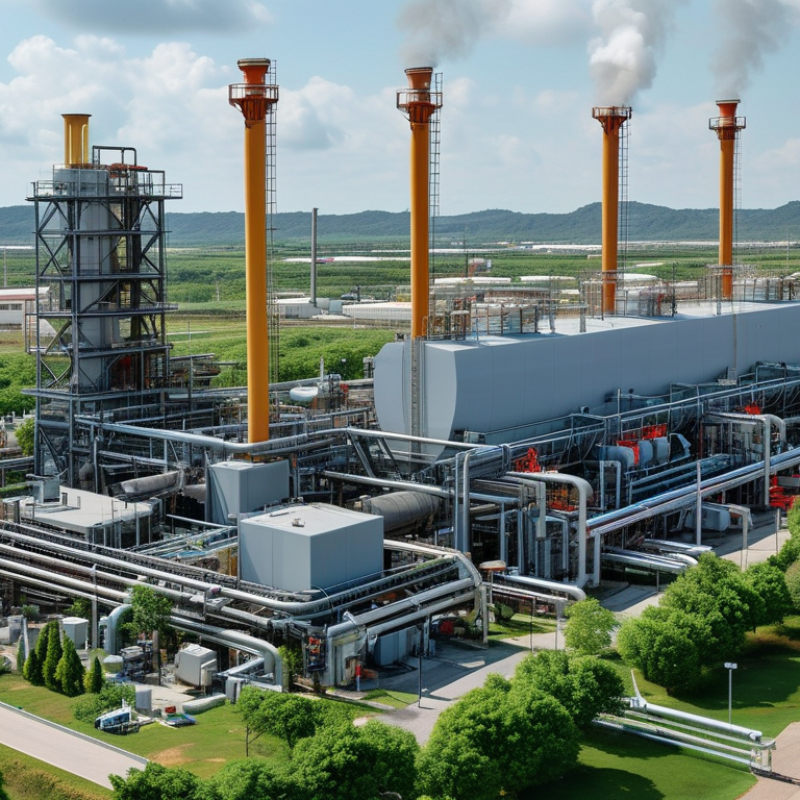
As the demand for efficient heating systems rises, hot oil boilers are evolving. Emerging technologies are at the forefront of this shift. Advanced thermal oils are now designed for higher temperature resistance. This improvement extends the lifespan of the systems and reduces maintenance needs. Innovative monitoring systems allow for real-time analysis of boiler performance. With these features, operators can optimize energy usage more effectively.
Additionally, the integration of AI is becoming common. Smart systems can predict failures before they occur, enhancing reliability. However, these technologies require investment and training for staff. Not all businesses are prepared for this transition. It’s crucial for buyers to assess their operational readiness. Adopting new technologies can be challenging, but it often leads to long-term savings.
Sustainability is another focus area. Biodegradable oils are being developed to replace traditional options. While this is promising, availability and cost remain concerns. Companies must weigh the benefits against potential hurdles. As buyers explore these options, they should remain cautious. Thorough research ensures informed choices in this changing landscape.
Key Energy Efficiency Standards Impacting Hot Oil Boiler Design
As the industry evolves, energy efficiency standards are shaping the design of hot oil boilers. Buyers need to understand the implications of these standards. Optimizing energy use is now a priority for manufacturers. This trend enhances performance while reducing waste. Effective design can lead to significant cost savings for operational facilities.
Compliance with these standards is complex but necessary. It ensures the equipment meets regulatory requirements. While some buyers might focus solely on upfront costs, long-term efficiency should weigh heavily in decision-making. Inefficiencies can lead to increased operational expenses over time. Moreover, some designs may fall short of environmental goals despite meeting basic standards.
Investing in energy-efficient hot oil boilers fosters sustainability. Companies can reduce their carbon footprint. However, not all solutions are foolproof. Some technologies may require extensive training for proper operation. It poses a challenge in maintenance and staff adaptation. Understanding these factors is crucial for informed buying decisions.
Top Hot Oil Boiler Trends for 2026 What Buyers Need to Know - Key Energy Efficiency Standards Impacting Hot Oil Boiler Design
| Trend |
Description |
Efficiency Standard |
Implementation Year |
| Enhanced Heat Exchanger Designs |
Innovative configurations to improve thermal efficiency. |
ASHRAE 90.1 |
2026 |
| Smart Boiler Technology |
Integration with IoT for remote monitoring and predictive maintenance. |
ISO 50001 |
2026 |
| Low-Emission Technology |
Focus on reducing carbon emissions and increasing efficiency. |
EPA Regulations |
2026 |
| Modular Boiler Systems |
Flexible solutions allowing easy scalability and replacement. |
BS EN 12953 |
2026 |
| Renewable Energy Integration |
Usage of biodiesel or solar energy to heat fluid. |
RE 100 |
2026 |
Market Trends Influencing Hot Oil Boiler Purchases in 2026
As we look forward to 2026, several market trends are shaping hot oil boiler purchases. Buyers are focusing on energy efficiency, pushing manufacturers to develop advanced, eco-friendly technologies. These innovations are crucial in reducing operational costs and minimizing environmental impact. Many industries now prioritize boilers that meet stringent environmental regulations, enhancing sustainability efforts.
Cost considerations are also pivotal. Buyers seek solutions that offer a balance between upfront investments and long-term savings. It’s essential to evaluate the total cost of ownership, including energy savings and maintenance expenses. Additionally, some buyers express concerns about the reliability of newer technologies. They may hesitate to adopt unfamiliar systems, fearing unexpected downtime.
Market demand is shifting as well. Companies prefer providers who offer comprehensive support and technical expertise. Buyers want assurance that their boilers will operate efficiently and reliably. It's important to consider post-purchase services. These factors significantly influence decision-making and purchasing timelines. Consideration must also be given to the evolving regulatory landscape, which can impact both operations and costs.
Hot Oil Boiler Market Trends for 2026
This bar chart illustrates the projected market share of key trends influencing hot oil boiler purchases in 2026. The data highlights the importance of energy efficiency, automation technology, and sustainability in consumer decisions.
Factors Buyers Should Consider When Selecting a Hot Oil Boiler
When selecting a hot oil boiler, buyers should focus on several critical factors. The first is efficiency. A high-efficiency boiler can significantly reduce operational costs. Look for boilers with advanced heat transfer technology. Regular maintenance can also enhance efficiency. However, efficiency can vary widely among models. It’s crucial to evaluate multiple options.
Another important consideration is safety features. Hot oil systems operate at high temperatures and pressures. Safety mechanisms, like over-temperature protection, should meet industry standards. Buyers must prioritize reliable materials that can withstand these challenging conditions. Additionally, installation requirements can differ. Ensure that your chosen model fits your facility’s layout.
Cost is also a factor, but it shouldn’t be the only one. While cheaper options might be tempting, they often lead to higher long-term expenses. Investing in a quality unit can provide peace of mind. An informed choice involves comparing overall value, including warranties and support. Be wary of overly complex solutions. Sometimes, simpler designs perform better in the long run.
Predicted Changes in Regulatory Standards for Hot Oil Boilers
As we look toward 2026, regulatory standards for hot oil boilers are expected to evolve significantly. These changes will likely focus on efficiency, emissions, and safety. Buyers must stay informed about these developments to ensure compliance and operational effectiveness. It's crucial to proactively engage with industry experts and regulatory bodies to understand the implications of these changes.
Tips: Regularly audit your systems. This can help identify necessary upgrades in light of new regulations. Consider forming a committee to track emerging trends and regulations in your industry.
The anticipated shift towards stricter emissions standards means that older systems may need modifications or replacements. Investing in newer technologies could provide better energy efficiency and reduce harmful emissions. While this may incur upfront costs, the long-term savings could outweigh the initial investment.
Tips: Research available technologies that can meet future standards. Create a budget that accounts for potential upgrades. Engaging with a consultant may also provide valuable insights into compliance strategies as regulatory changes occur.