2026 Top Inline Heating Solutions for Global Buyers?
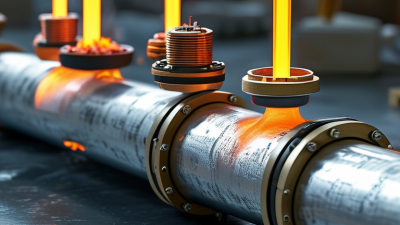
Inline heating has become a vital technology for various industries worldwide. As global buyers explore the best solutions, understanding current trends is essential. Inline heating systems offer efficient temperature control across numerous applications, from food processing to chemical manufacturing.
In 2026, the demand for advanced inline heating solutions is expected to rise significantly. Buyers need to focus on reliability and performance. Various innovations are emerging, such as enhanced materials and smart technology integration, which could lead to better energy efficiency. However, not every solution on the market meets these expectations.
Navigating the many options demands careful consideration. Buyers should prioritize suppliers with proven expertise and a track record of success. Evaluating the effectiveness of inline heating solutions will help industries optimize processes while minimizing risks. Ultimately, making informed decisions is crucial for achieving operational excellence.
2026 Inline Heating Solutions: An Overview of Market Trends
As the inline heating market evolves, understanding current trends is essential. The demand for energy-efficient solutions is rising. Companies focus on integrating smart technology into heating systems. This enables better control and energy management. Increased regulations also push for greener solutions. The focus on sustainability is reshaping the market.
Market analysis shows a growing interest in modular designs. These systems provide flexibility and easy installation. Buyers appreciate products that reduce downtime. However, there are concerns about the high upfront costs. Balancing initial investment with long-term savings remains a challenge.
Additionally, users increasingly seek systems that require less maintenance. Reliability is key for many industries. This constant quest for improvement highlights a gap between technology and customer needs. Manufacturers must adapt to changing demands while addressing these challenges.
2026 Inline Heating Solutions: Market Trends
This chart illustrates the estimated market trends for inline heating solutions in 2026, highlighting the market size, growth rate, product variety, and key applications.
Key Features and Technologies in Inline Heating Systems for Buyers
Inline heating systems are becoming increasingly vital for many industries. According to a recent market report, the global inline heating market is projected to reach USD 5.8 billion by 2026. This growth is fueled by advancements in technology and increasing demand for energy-efficient solutions.
One key feature of modern inline heating systems is their ability to provide precise temperature control. This enhances process efficiency and reduces energy consumption. Another important technology is the use of advanced materials, such as high-performance ceramics, which significantly improve durability and performance. Many systems now integrate smart technology for real-time monitoring, further optimizing operations.
However, buyers must critically assess the effectiveness of these systems. Not all products might meet specific operational needs. Some systems may require extensive maintenance, leading to unexpected costs. Additionally, the initial investment can be substantial. Understanding the long-term performance and lifecycle cost is crucial for making informed decisions.
Top Manufacturers and Brands in the Inline Heating Market for 2026
The inline heating market is evolving rapidly. Many manufacturers and brands are stepping up their game to meet global demand. Buyers want efficiency and reliability. They seek solutions that can save energy while providing consistent results. Manufacturers must prioritize quality and innovation to stay competitive.
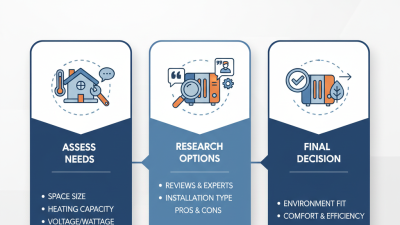
Tips: Look for companies with a strong track record. Research their customer reviews. Consider their commitment to environmentally friendly practices. This can play a crucial role in your decision.
The market landscape shows significant advancements. New technologies are emerging, improving heating efficiency. Dynamic product offerings make it challenging to choose the right solution. Sometimes, the most marketed products don’t deliver as promised.
Tips: Evaluate products based on specific needs. Take time to analyze performance metrics. Reviewing case studies can also guide your decision-making process. Aim for solutions that align with your operational goals.
Evaluating Performance and Efficiency of Inline Heating Solutions
Inline heating solutions are becoming essential across various industries. They offer efficient heating options in manufacturing and food processing. However, evaluating their performance can be complex. Factors like energy consumption and temperature consistency play crucial roles in their effectiveness.
Efficiency is not just about how much energy a system uses. It's also about maintaining desired temperatures with minimal fluctuations. Some solutions may struggle to provide uniform heating. Buyers should consider metrics like response time and heat distribution. This helps identify the most reliable options for their needs.
Data shows that many high-performing inline heating systems achieve over 90% efficiency. Yet, these figures may not always reflect real-world scenarios. Users often experience performance drops under varying loads or environmental conditions. This inconsistency requires careful assessment and ongoing monitoring, ensuring long-term reliability and satisfaction.
Sustainability and Innovation in Inline Heating Technologies for Global Buyers
As the demand for sustainability increases, inline heating technologies are evolving. Innovations in this field focus on energy efficiency and reduced emissions. These advancements cater to global buyers seeking eco-friendly solutions.
One notable trend is the integration of smart technology in inline heating. This allows for precise temperature control, enhancing efficiency. Improved designs now utilize recyclable materials. This reflects a commitment to sustainable practices that buyers appreciate.
Tips: Consider the long-term effects of purchasing decisions. Look for certifications that indicate energy efficiency. Research the lifecycle of materials used in inline heating products. Taking these steps can lead to better choices.
Innovation doesn't come without challenges. Achieving high performance while maintaining sustainability can be difficult. Some methods might not align perfectly with eco-friendly goals. It's crucial to keep questioning and refining technology in this area.