Why Is an In Line Heater Essential for Efficient Heating Solutions?
In the heating industry, efficiency is paramount. An expert in the field, Dr. Jane Smith, states, “An In Line Heater is vital for optimizing energy consumption.” This highlights the crucial role of In Line Heaters in modern heating systems.
An In Line Heater can enhance warmth distribution. It ensures a consistent flow of hot water, reducing energy costs. Home and business owners alike benefit from its efficiency. It can significantly lower heating bills over time.
However, not all In Line Heaters are created equal. Quality and installation are key. A poorly installed unit may lead to inefficiencies. Thus, careful selection and expert installation are essential. Evaluating your current heating solution might reveal room for improvement. Embracing this technology can lead to effective heating solutions.
The Importance of Efficient Heating Solutions in Modern Systems
Efficient heating solutions play a crucial role in modern systems. With rising energy costs and increasing awareness of environmental impact, optimizing heating methods is essential. Industry reports indicate that over 30% of energy is wasted in improper heating practices. This inefficiency not only raises expenses but also contributes significantly to carbon emissions.
In-line heaters are vital for improving overall efficiency. They provide direct heat to processes, reducing heat loss during transportation. According to the American Society of Mechanical Engineers, using in-line heaters can increase system energy efficiency by 25% or more. By minimizing heat waste, companies can cut costs and lessen their carbon footprint.
**Tip:** Regularly maintain heating systems. Neglected equipment leads to increased energy use and inefficient heating.
Efficiency often requires a critical look at existing systems. Many organizations overlook small leaks or poorly insulated pipes. Even minor issues can escalate energy consumption by 10% or more. Understanding these details is essential for any sustainable approach to heating solutions.
**Tip:** Conduct energy audits annually to identify areas for improvement and enhance your system's performance.
Energy Efficiency of Heating Solutions
Understanding In Line Heaters and Their Functionality
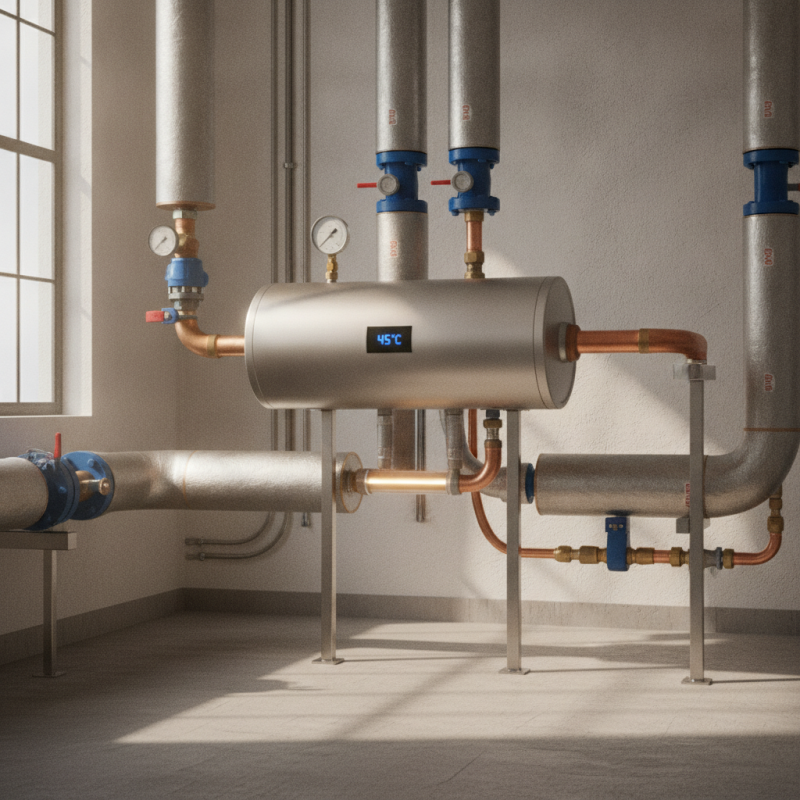
In line heaters play a crucial role in modern heating solutions by ensuring energy efficiency and comfort. These devices are designed to heat fluids directly as they flow through, minimizing energy wastage. According to a report by the U.S. Department of Energy, using in line heaters can improve energy efficiency by up to 30% compared to traditional systems. This is particularly important in industrial settings where heating demands are high.
The functionality of in line heaters is rooted in their design. They operate on the principle of direct contact with the fluid, rapidly increasing temperature without the need for large storage tanks. This results in a continuous supply of hot water or fluid, essential in processes where time is critical, such as manufacturing and food processing. However, installation and maintenance are areas that can pose challenges. Many facilities overlook the upkeep needs, leading to decreased efficiency and potential downtime. Regular checks and proper installation practices are vital for optimal performance.
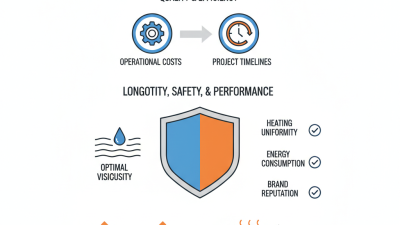
Despite their advantages, in line heaters are not universally effective. Factors such as fluid viscosity and the required temperature increase can complicate their use. Ideal for many applications, they may not be suitable in all scenarios. Understanding the specific needs of a setting is essential to harnessing their full potential. Balancing efficiency with operational challenges often requires careful consideration.
Benefits of Using In Line Heaters for Energy Efficiency
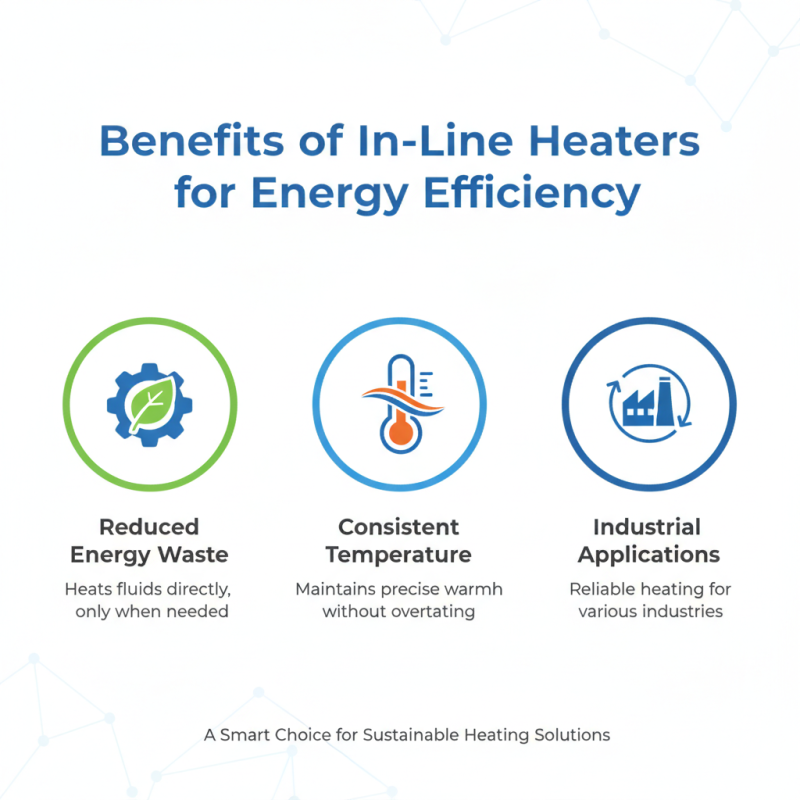
In line heaters provide a reliable and efficient heating solution for various applications. They work by heating fluids as they pass through, ensuring consistent warmth. This method reduces energy waste, making them an excellent choice for energy efficiency. Many industries benefit from their ability to maintain specific temperatures without overheating.
In line heaters also contribute to a longer lifespan for equipment. By preventing temperature fluctuations, they reduce stress on systems. Less wear and tear means fewer repairs. However, improper installation can lead to inefficiencies. It is vital to assess your setup before implementing these heaters. Regular maintenance is necessary to ensure optimal performance.
Moreover, in line heaters can adapt to various environments. From industrial settings to residential use, their versatility is notable. Yet, finding the right specifications for your needs can be challenging. Doing thorough research and consulting with experts can lead to better outcomes. Balancing performance and energy consumption is key for any responsible user.
Applications of In Line Heaters in Various Industries
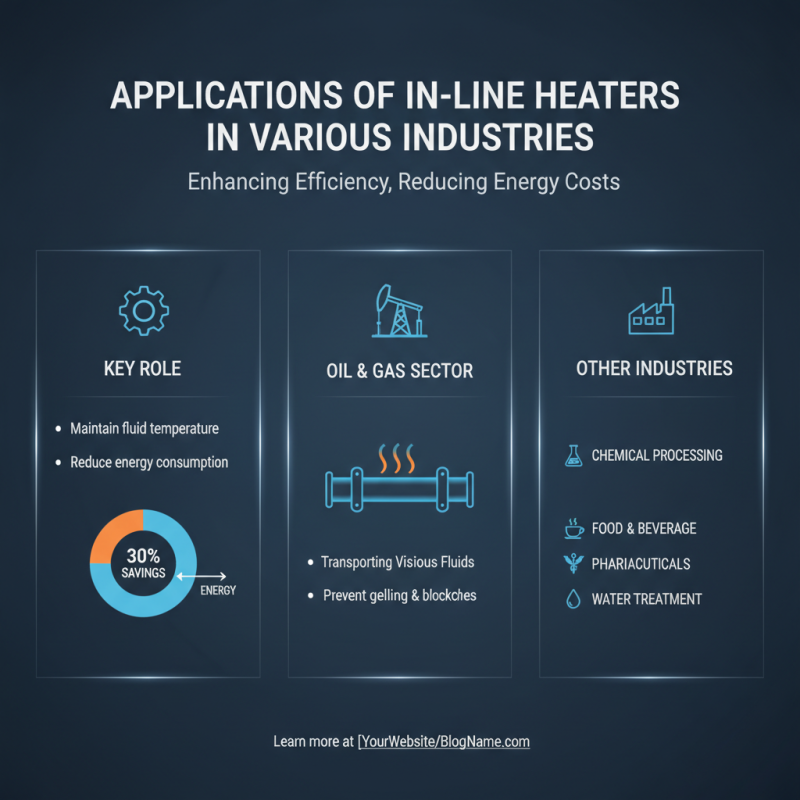
In line heaters play a pivotal role in various industries, enhancing efficiency and reducing energy costs. These heaters are particularly vital in the oil and gas sector, where they help maintain the temperature of viscous fluids during transportation. The industry reports that maintaining optimal fluid temperatures can reduce energy consumption by up to 30%.
In the food and beverage industry, in line heaters ensure the safe pasteurization of liquids. Through precise temperature control, these heaters mitigate the risk of bacterial growth. A study indicated that proper heating practices can lead to a 15% decrease in spoilage rates, emphasizing the need for effective heating solutions.
Tip: Regular maintenance of your in line heater can prevent unexpected breakdowns. A small check can save you from significant downtime.
In chemical processing, these heaters facilitate consistent product quality. Fluctuations in temperature can lead to batch inconsistencies. The impact is considerable, as reports suggest that temperature control can influence production efficiency by 25%. Investing in reliable in line heating solutions is crucial across industries to ensure both quality and efficiency.
Tip: Consider using temperature data loggers to monitor heater performance continuously. This data can highlight areas needing attention before problems escalate.
Comparative Analysis: In Line Heaters vs Traditional Heating Methods
In line heaters have gained popularity for their efficiency compared to traditional heating methods. They're designed to heat water on demand, reducing energy waste. This is especially crucial in environments where hot water is frequently needed.
Unlike traditional systems, which constantly heat water, in line heaters activate only when required. This can lead to lower utility bills and more efficient energy use.
Traditional heating methods often involve large storage tanks that can waste energy. They tend to lose heat over time, making them less effective in energy conservation. In contrast, in line heaters provide hot water continuously without the need for a tank. However, installation costs can be higher, and their performance may vary based on flow rates and usage patterns.
It’s important to note that while in line heaters have many advantages, they aren't perfect. Users may find fluctuations in water temperature, especially if demand exceeds capacity. This can be frustrating for households with multiple hot water needs simultaneously. Evaluating the specific needs and usage patterns is crucial for making the right choice between these two heating solutions.