Ultimate Guide to Finned Element Tips for Global Buyers?
In the ever-evolving world of heat transfer technology, the "Finned Element" plays a crucial role. Industry expert Dr. Michael Thompson notes, "Finned Elements are essential for maximizing heat exchange efficiency." This statement emphasizes the importance of understanding these components, especially for global buyers seeking reliable and efficient solutions.
When considering a Finned Element, several factors come into play. These include material selection, design specifications, and application requirements. Each element must align with the overall system to optimize performance. However, not every Finned Element is created equal. Buyers often grapple with inconsistency in quality, leading to challenges in procurement and installation.
Ultimately, the goal is to enhance thermal efficiency while minimizing costs. Buyers must approach decisions with caution and due diligence. The Finned Element industry is vast, and understanding nuances can be complex. Yet, with informed choices, one can navigate this landscape effectively, ensuring that the selected components meet their expectations and operational needs.

Understanding Finned Elements: Definition and Importance
Finned elements are essential components in various heating and cooling systems. Their primary function is to increase the surface area for heat transfer. This enhancement helps in efficient heating or cooling, making them vital for many industries. Understanding their definition and importance can significantly impact system performance.
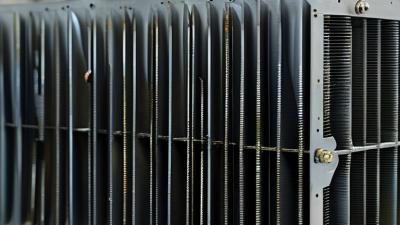
A finned element typically features extended surfaces that facilitate better air or fluid flow. This design allows for more heat to be exchanged without requiring a larger footprint. Industries such as HVAC and manufacturing utilize these components extensively to optimize energy usage. In practice, the efficiency of these elements can vary based on materials and design. Not all finned elements will perform equally, which raises questions about best practices in selection.
While finned elements show great promise, buyers should be cautious. Factors like installation and maintenance can influence overall performance. A poorly installed finned element might lead to inadequate heat exchange. Additionally, different applications require distinct types of finned elements. It’s crucial to assess specific needs before purchasing. Relying solely on generic specifications can lead to suboptimal results. Careful consideration and expert guidance are advisable for a successful investment in finned elements.
Finned Elements Performance Analysis
Types of Finned Elements: A Comprehensive Overview
Finned elements play an integral role in heat exchangers, serving various industries worldwide. They enhance heat transfer by increasing surface area. According to a report from the International Energy Agency, using finned elements can improve heat transfer efficiency by up to 50%. This efficiency is essential for energy savings and operational cost reductions.
Different types of finned elements are available, each designed for specific applications. For instance,
plate fins are commonly used in air-cooled heat exchangers. They provide a substantial surface area and are highly effective in situations with limited space. In contrast, circular fins are often seen in applications where uniform cooling is crucial. A study from the American Society of Mechanical Engineers highlights that the choice of fin type can affect performance metrics significantly, often leading to overdesign if not properly evaluated.
Selecting the right finned element requires careful analysis. Factors such as temperature range, fluid type, and flow rates must be considered. The right choice can maximize efficiency, but poor decisions can lead to inefficiencies. Industry experts recommend a comprehensive understanding of system requirements to avoid common pitfalls. Focusing on the appropriate fin design can yield not only better thermal performance but also reliability in operations across different environments.
Key Factors to Consider When Sourcing Finned Elements Globally
When sourcing finned elements globally, several key factors need careful consideration. Knowledge of different manufacturing standards is crucial. Each region may have unique requirements that affect the finned elements' performance and compliance. Understanding these standards helps ensure that your products meet quality expectations.
Choosing the right material for finned elements is essential. Common materials include aluminum and copper, each offering distinct advantages. Aluminum is lightweight and corrosion-resistant, while copper provides superior thermal conductivity. Evaluating the application and environment will guide this decision.
Consider assessing potential suppliers' reliability. This can often be challenging. Research their previous projects and customer reviews to gauge performance. Communication with suppliers is important; it can uncover their flexibility and responsiveness, indicators of their ability to meet your needs.
For optimal results, conduct a cost-benefit analysis. Sometimes, lower prices lead to compromised quality. Analyze long-term value, not just upfront costs. This reflection can save significant resources down the line.
Quality Assurance: Standards and Testing for Finned Elements
Quality assurance in the production of finned elements is crucial. These components serve essential functions in thermal management. Various standards govern their manufacturing. Adhering to these guidelines ensures performance and longevity. Even minor deviations can lead to significant issues in applications. Testing protocols must be rigorously applied. Manufacturers should engage in regular quality checks.
Materials used in finned elements are critical. Using substandard materials can jeopardize efficiency. Heat transfer capabilities hinge on the choice of metal and design. Different environments may require unique approaches to material selection. Attention to detail here cannot be overstated.
The importance of certifications cannot be overlooked. Third-party testing creates trust and reliability. Buyers should inquire about testing methods and results. Transparency in these processes fosters credibility. Companies must continually evaluate and improve their practices. Engaging in this reflection will only enhance product quality over time.
Best Practices for Selecting and Using Finned Elements Effectively
Selecting and using finned elements effectively requires careful consideration of several factors. Finned elements are often used to enhance heat transfer in various applications. When evaluating options, focus on the material that best suits your specific use case. Different metals offer varying levels of conductivity and corrosion resistance. Aluminum is lightweight but may not be ideal for harsh environments. Steel is more durable, yet heavier.
Another key aspect involves understanding the design of the finned elements. The surface area is crucial for efficient heat exchange. Larger surface areas can improve performance but may also increase space requirements. Keep in mind the balance between efficiency and the space available.
Engage with experts to review the specifications before finalizing your purchase. User feedback is invaluable. Check whether the elements have been tested in real-world conditions similar to yours. Also, consider the installation process. A complex setup may lead to errors and reduced effectiveness. Assess your team's capabilities to handle the installation. Collaborate with professionals if necessary.