2026 Best In Line Heater Options for Global Buyers?
As the demand for efficient heating solutions grows, the market for "In Line Heaters" continues to expand. Industry expert Dr. Emily Carter notes, "In Line Heaters are crucial for optimizing energy efficiency in various applications." Buyers face a variety of options that can meet their specific needs. Choosing the right model can be challenging.
The effectiveness of an In Line Heater lies in its ability to provide consistent warmth without wasting energy. Buyers should consider factors like capacity, efficiency, and installation requirements. A heater that works well in one setting may not be ideal for another. Often, users underestimate the importance of these details, leading to suboptimal purchases.
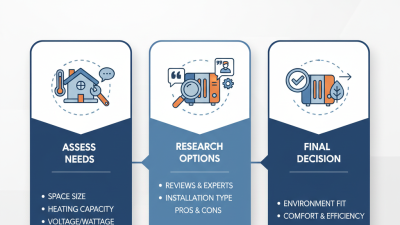
This guide aims to clarify the best In Line Heater options for global buyers in 2026. With an array of choices, understanding key characteristics is vital. As technology advances, the best options will stand out. However, it’s essential to approach this decision with careful thought and analysis.
Overview of In Line Heaters Available in 2026
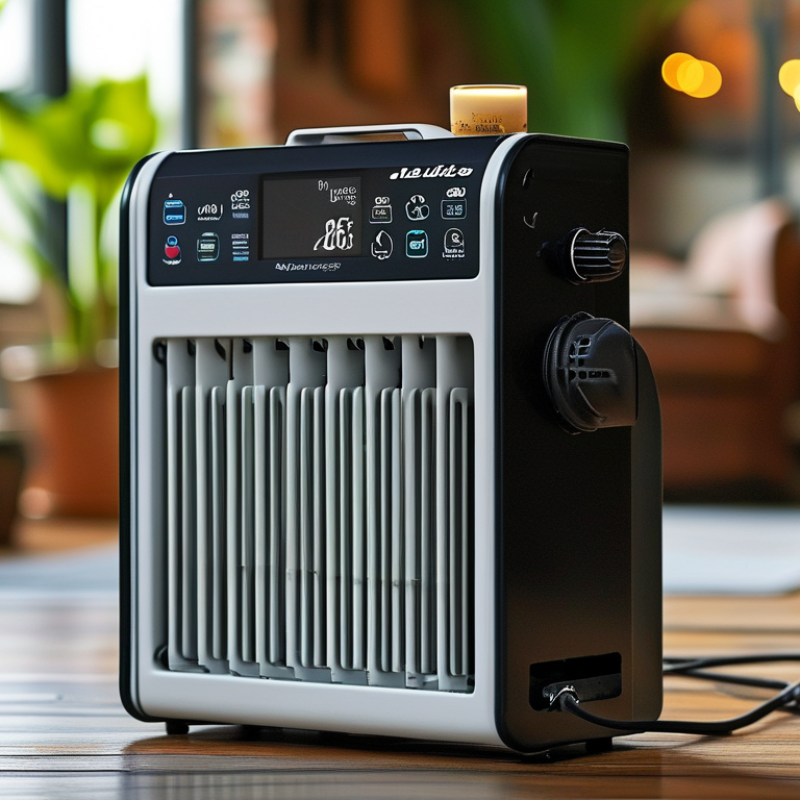
As we look ahead to 2026, the demand for inline heaters continues to grow globally. Industry reports indicate a projected market value increase of 12% annually, reaching over $5 billion by 2026. Inline heaters are essential for various applications, including industrial processes, HVAC systems, and food processing. Their efficiency and compact design make them a preferred choice.
However, accessibility and energy efficiency remain areas needing improvement. Many buyers are still unaware of the latest advancements in technology. Products that integrate smart controls and energy-efficient materials are on the rise. Yet, user education on these options is vital. Misunderstanding the differences between various heating methods can lead to poor purchasing decisions.
In 2026, manufacturers will likely respond to these concerns by enhancing their training and support resources. Compliance with energy regulations is another challenge. Manufacturers must ensure products align with evolving global standards. This landscape will require flexible solutions and innovative designs that cater to diverse market needs.
Key Features to Consider When Choosing In Line Heaters
When selecting in-line heaters, several key features must be considered.
The wattage rating significantly impacts heating performance.
Typically, higher wattage means faster heating. According to recent industry reports, wattage ratings range from 1500 to 6000 watts, depending on the application.
Ensure the wattage fits your specific needs to avoid inefficiency.
Another crucial factor is the temperature control settings. Some heaters offer advanced digital controls that allow precise temperature regulation. A study by the Thermal Systems Institute revealed that precise controls can improve energy efficiency by up to 30%. This not only helps reduce energy bills but also extends the product's lifespan. Users should evaluate how often they need to adjust the temperature.
Tip: Always check for safety certifications. Heating devices must meet safety standards to prevent hazards. Look for features like overheat protection, which can minimize risks.
Durability is also essential. Materials like stainless steel demonstrate resilience against corrosion and wear. However, be aware that not all stainless steel is equal; some grades perform better under high temperatures. Regular maintenance checks can help identify potential issues early. Consider setting a schedule for these assessments to maintain optimal functionality.
Top Brands and Their 2026 In Line Heater Models
As we look into 2026, buyers are exploring various options for in-line heaters. These devices are designed to enhance heating efficiency in homes and industries. With innovation paving the way, several brands stand out for their reliable models.
When choosing an in-line heater, buyers should consider safety features and energy efficiency. Some models may heat inconsistently, affecting overall comfort. It’s crucial to check user reviews and performance ratings. Additionally, effective installation plays a significant role in maximizing heater performance. A poorly installed unit may lead to higher energy bills and safety risks.
Expert feedback suggests a blend of functionality and design is vital. Many in-line heaters now come with smart features for easy control. However, not every model meets high performance standards. It’s important to weigh multiple options before committing. Understanding diverse brands and their offerings will help buyers make informed decisions.
2026 Best In Line Heater Options for Global Buyers
| Model |
Power Output (KW) |
Energy Efficiency (%) |
Price Range ($) |
Special Features |
| Model A |
3.5 |
95 |
300-400 |
Smart Thermostat |
| Model B |
4.0 |
90 |
250-350 |
Remote Control |
| Model C |
2.8 |
92 |
200-300 |
Eco Mode |
| Model D |
5.0 |
88 |
400-500 |
Dual Heating Zones |
| Model E |
3.2 |
94 |
280-380 |
Wi-Fi Enabled |
Energy Efficiency Ratings and Performance Comparison
When considering the best heater options for 2026, energy efficiency is crucial. Recent studies indicate that heaters with high energy efficiency ratings can save consumers up to 30% on energy costs. The ratings often come from independent organizations that assess the performance of different heating systems under standard testing conditions. This empirical data is vital for buyers seeking the best value.
Performance comparisons reveal notable differences among heater types. Electric heaters tend to have high efficiency but may cost more to operate based on local electricity rates. Gas heaters, while potentially cheaper to run, do not always perform as efficiently in energy consumption. A comprehensive report by the Energy Information Administration states that systems with annual fuel utilization efficiency (AFUE) ratings over 90% can significantly reduce greenhouse gas emissions. However, not all high AFUE units operate well in colder climates, which is worth reflecting upon.
Additionally, the efficiency ratings alone do not tell the whole story. Maintenance and installation practices can significantly impact performance. Improper installation might lead to a 10% to 20% decrease in expected efficiency. Homeowners need to consider both the technology and the installation process. Ultimately, informed decisions are essential for optimizing both energy costs and environmental impact.
2026 Best In Line Heater Options for Global Buyers
This chart presents a comparison of energy efficiency ratings for various heating options available to global buyers in 2026. The ratings, measured in SEER (Seasonal Energy Efficiency Ratio), highlight the performance of each option, aiding consumers in making informed decisions.
Purchasing Options for Global Buyers in 2026
As the winter months approach in 2026, global buyers are seeking the best in line heater options. Understanding the variety available is crucial for making informed choices. With energy efficiency on everyone's mind, many consumers are looking for heaters that minimize electricity consumption while providing adequate warmth. Options like electric, gas, and infrared heaters abound in the market.
Some buyers may find independent reviews helpful in determining which heaters perform best in various climates. Online platforms offer user-generated content that can shed light on reliability and performance. It's worth noting that not all products live up to their promises. In some cases, user experiences differ significantly from manufacturer claims, leaving buyers disappointed.
Pricing varies widely, depending on features and capacity. Buyers should consider not just the upfront cost but also long-term energy expenses. Reliability is a significant factor; some heaters may break down sooner than expected. As a result, thorough research is essential. Evaluating customer feedback can provide insights, but some reviews may lack depth or objectivity. Therefore, a well-rounded approach is needed to ensure the best purchasing decision.