Global buyers comparing China’s Pipeline Inlet suppliers need more than a low quotation. They need a component that matches the process, connects cleanly to the system, and arrives with dependable documentation. A small mismatch in flange dimensions, material grade, or pressure rating can delay installation and add costs.
Dr. George Antaki is a piping and pressure-vessel engineering specialist whose published work addresses piping integrity. A useful buyer-focused principle, consistent with that engineering perspective, is: “Verify the design basis before comparing the price.” This is an editorial summary, not a verbatim quotation. It points to practical checks: confirm the inlet’s dimensions, operating conditions, material traceability, inspection records, and compatibility with adjoining equipment.
Supplier comparisons should also examine manufacturing controls, communication, sample approval, lead times, and after-sales support. Ask how each supplier handles drawing revisions and nonconforming parts. Request clear records, not broad assurances. A polished catalogue is not proof of quality. Sometimes the details are missing. That matters.
This guide explores how global buyers can assess Chinese Pipeline Inlet suppliers, compare technical and commercial claims, and reduce avoidable sourcing risks. It focuses on verifiable evidence and fit for purpose, while recognizing that supplier performance can vary. No checklist replaces engineering review. The strongest choice is the one that meets the application’s requirements and can show, in specific documents and answers, how it does so.
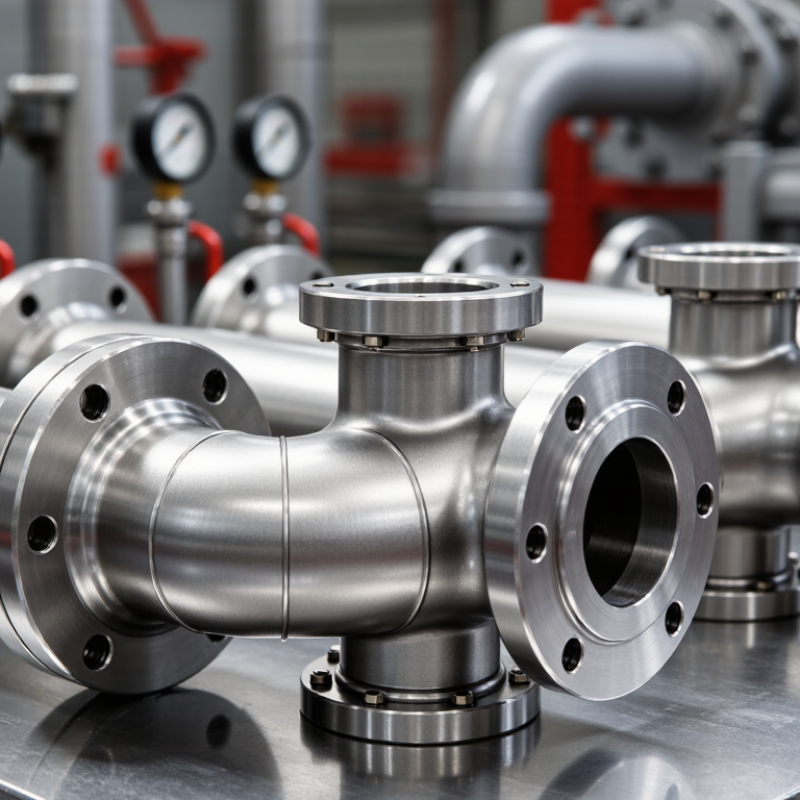
A pipeline inlet is the point where fluid enters a pipe, vessel, or process system. Its shape and position affect how evenly flow develops. A poorly matched inlet may create turbulence, unwanted pressure loss, or uneven wear. Small details matter. In water treatment, for example, an inlet may connect a supply line to a tank, where flow direction and entry speed influence mixing. In a process plant, the same basic connection may handle hot liquid, gas, or a corrosive solution.
Inlet selection depends on the service conditions, not just the pipe diameter. Buyers should check material compatibility, operating pressure and temperature, connection dimensions, and any required inspection records. A screen or flow-guiding feature can help in some applications, but it may also add resistance or need cleaning. Fit is unforgiving. I have seen how a drawing can appear complete while leaving installation clearance unclear; that small gap can cause delays on site.
For international purchasing, clear specifications help suppliers quote comparable products. Include the fluid, flow range, connection type, environment, and relevant project standards. Ask how dimensions are verified and what documentation accompanies the shipment. These checks do not remove every risk, but they make differences easier to spot before installation. A practical inlet should suit the actual operating conditions, rather than an idealized drawing.
Common NPS-to-DN nominal size equivalents used when specifying pipeline inlet connections.
Pipeline inlets connect process equipment to piping systems in applications such as water treatment, oil and gas, and chemical processing. Confirm the required size, pressure rating, material, and applicable standard for each project. DN and NPS are nominal designations; they do not represent the pipe’s exact measured internal diameter.
China Best Pipeline Inlet Suppliers for Global Buyers?
Choosing a pipeline inlet supplier takes more than comparing quotations. Start with the operating envelope: pressure, temperature, fluid composition, flow rate, and connection dimensions. Ask for material certificates with heat numbers traceable to each component. For welded assemblies, review welding procedures, welder qualifications, and non-destructive testing records. These documents help buyers check whether the delivered inlet matches the approved design.
Corrosion protection deserves close attention. NACE International’s IMPACT study, published in 2016, estimated global corrosion costs at US$2.5 trillion annually, or 3.4% of global GDP. The study also reported that effective corrosion management could save 15–35% of those costs. Ask suppliers how they select coatings or alloys for the actual service environment, rather than accepting a generic “corrosion-resistant” claim. Small details matter.
Factory audits can reveal practical strengths: calibrated gauges, clearly marked parts, and controlled storage. Request inspection plans, pressure-test records, dimensional reports, and sample export packaging. Check whether the supplier can explain deviations promptly and provide realistic production and shipping schedules. A polished brochure is not proof of consistent quality. I would still verify the paperwork against a sample unit; that step can feel slow, but it may expose gaps before shipment.
A capable pipeline inlet supplier should explain how a component is made, not just provide a polished product photo. Ask about forming methods, machining capacity, dimensional tolerances, and the range of inlet geometries the workshop can produce. For a flanged inlet, confirm bolt-hole spacing and face dimensions against your drawings. For a welded assembly, ask how fit-up and weld consistency are checked. Details matter.
Material selection depends on operating conditions. Carbon steel may suit many standard services, while stainless steel can offer better resistance to corrosion in suitable environments. Neither choice is automatic. Temperature, pressure, fluid composition, and expected service life should guide the specification. Request material certificates and traceability records, and verify that the stated grade matches the order. A certificate helps, but it does not replace inspection.
Quality control should cover incoming material, production, and final checks. Useful evidence may include dimensional inspection reports, weld examination records where applicable, and pressure-test documentation when the design requires it. Ask how nonconforming parts are identified and corrected. Not every shop documents this equally well. A supplier may also have limited testing equipment, so clarify which checks are performed in-house and which use an independent laboratory. That small gap deserves a second look.
For global buyers, a pipeline inlet supplier’s export readiness is more than a low quotation. Confirm that the offered component matches its service conditions, pressure class, dimensions, and connection type. Ask which standards apply: API 6D may cover pipeline valves, while ASME B16.5 covers certain flanges. Request current certificates and verify their scope, issuing body, and validity. A quality-system certificate does not prove that every product meets your specification.
Traceability matters. Request heat numbers, inspection records, and EN 10204 type 3.1 material certificates where specified. The World Steel Association reported 1,882.6 million tonnes of crude steel production in 2024, reflecting the scale of the material supply chain behind industrial components. But scale is not assurance. Check how the supplier links each delivered item to its material batch and inspection results. Confirm export packing, agreed shipping documents, and a realistic lead time in writing. Small gaps can delay a shipment.
Tip: Ask for a sample document pack before placing an order. Compare part markings against drawings and certificates. A certificate alone can still leave gaps. Also, buyers sometimes overlook local installation requirements; verify them with the project engineer before approval.
Supplier qualification checklist for pipeline inlet components. The standards and documents below are selection criteria; applicability depends on the product, design code, destination market, and purchase specification.
| Evaluation dimension | Relevant standard or requirement | Evidence to request | Buyer verification point |
|---|---|---|---|
| Quality management | ISO 9001:2015 quality management systems; certification is not a substitute for product-code compliance. | Current certificate, certification scope, covered manufacturing sites, and audit or quality-system documentation. | Confirm the certificate is valid and covers the site and activities relevant to the ordered product. |
| Product-code fit | ASME B31.3 may govern process piping; ASME B16.5 covers pipe flanges and flanged fittings; ASME B16.9 covers factory-made wrought butt-welding fittings. API Spec 5L applies to line pipe, not automatically to every inlet component. | Code-and-standard list, product drawings, dimensional data, pressure rating, material specification, and stated edition. | Match each standard to the actual item and project design basis. Confirm the required editions and any purchaser specifications in the contract. |
| Material traceability | Material grades must match the applicable design code, service conditions, and purchase specification. EN 10204 defines types of inspection documents, including 3.1 and 3.2 certificates. | Material test certificates, heat or batch numbers, traceability records, and any required positive material identification (PMI) results. | Check that certificate identifiers trace to the delivered items and that chemistry and mechanical properties meet the ordered grade. |
| Inspection and testing | Inspection and test methods, acceptance criteria, and test extent are set by the applicable construction code and contract. Nondestructive examination may include radiographic, ultrasonic, magnetic-particle, or liquid-penetrant methods where specified. | Inspection and test plan, dimensional reports, pressure-test records where required, NDE reports, and final release documentation. | Agree witness and hold points before production; confirm test scope, acceptance criteria, and report traceability before shipment. |
| Pressure equipment market access | For the European Union, the Pressure Equipment Directive (PED) 2014/68/EU may apply to pressure equipment and assemblies within its scope; applicability and conformity-assessment route depend on the equipment and classification. | Documented scope assessment, applicable conformity documents, and required marking or declaration for the specific equipment and market. | Do not assume every pipe fitting or component requires the same PED route. Confirm classification and responsibilities with the importer or conformity-assessment specialist. |
| Environmental and safety systems | ISO 14001 addresses environmental management systems; ISO 45001 addresses occupational health and safety management systems. These are management-system standards, not product approvals. | Current certificates, scope, covered sites, and relevant audit or management-system records, if required by the buyer. | Treat these as supplier-screening evidence where relevant; verify validity and site coverage rather than using them as proof of product conformity. |
| Export documentation | Documentation depends on the destination country, goods, transport mode, and agreed delivery term. Incoterms® 2020 allocates specified delivery obligations, costs, and risks between seller and buyer. | Commercial invoice, packing list, transport document (such as a bill of lading or air waybill), certificate of origin if required, and applicable export or import documentation. | Agree the Incoterms® rule and named place in the contract. Confirm document format, origin requirements, and customs responsibilities with the relevant broker or authority. |
| Customs and product identification | Customs classification, duties, and import controls depend on the product’s characteristics and destination jurisdiction; a generic HS code should not be assumed. | Product description, material, function, dimensions, country-of-origin information, and supporting classification details. | Have the importer or customs broker verify the tariff classification and any applicable licenses, sanctions controls, or technical import requirements. |
| Packaging and shipment protection | Packaging should protect the product from handling and transit damage and meet the destination and transport requirements. Wood packaging used in international trade may be subject to ISPM 15 requirements. | Packing specification, package dimensions and weights, preservation method, and wood-packaging compliance evidence where applicable. | Specify end protection, moisture protection, lifting points, and marking requirements before dispatch; confirm packing suits the transport route and storage conditions. |
| Pre-shipment release | Final release should follow the approved purchase specification, inspection plan, and required quality records. | Final inspection report, completed document index, packing list, photographs if agreed, and signed release note where required. | Close nonconformities and verify quantities, markings, certificates, and shipping documents before authorizing dispatch. |
Comparing pipeline inlet suppliers requires more than matching quoted prices. Confirm the inlet’s dimensions, material grade, pressure and temperature limits, and connection details against the project specification. Details matter. A small mismatch in flange drilling or wall thickness can delay installation and create costly rework.
Ask each supplier for relevant material certificates, inspection records, and clear product drawings. Check whether test reports identify the same product type and production batch being quoted. Ask for evidence. Verify manufacturing capacity, typical lead times, packaging methods, and how changes are documented. A video call or facility audit can help, but neither replaces written records. Requirements vary by application, so have a qualified engineer review technical claims before approval.
Compare quotations line by line, including tooling, inspection, shipping, and spare components. One uncomfortable point: a low price can distract buyers from unclear tolerances or vague delivery commitments. Request a sample or first-article inspection when practical, and agree on acceptance criteria before production starts. Keep communication in writing. I would also record unresolved questions, even minor ones; procurement teams sometimes move ahead too quickly when schedules tighten.