Inline Heating Tips for Efficient and Cost Effective Solutions?
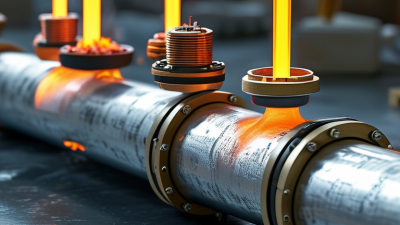
Inline heating plays a crucial role in various heating systems. It offers practical solutions for many industries, including manufacturing and food processing. By efficiently heating fluids and gases, inline heating systems can significantly reduce energy costs.
Choosing the right inline heating method is essential. Different techniques, such as electric heaters or steam heating, have unique benefits. However, not all solutions are equally effective for every application. A thorough assessment of your needs can make a significant difference.
Implementation of inline heating requires a careful approach. It's essential to consider the system's layout, capacity, and usage frequency. Mistakes in any of these areas can lead to inefficiencies. Continuous evaluation and adjustments are necessary to achieve optimal performance.
Understanding Inline Heating: Principles and Applications
Inline heating systems offer an efficient way to manage energy consumption in various applications. By directly heating fluids as they flow through pipes, these systems minimize thermal losses often found in traditional heating methods. According to industry reports, inline heating can improve energy efficiency by up to 30% compared to conventional systems.
The principles of inline heating hinge on the direct application of heat to the fluid. This method allows for precise temperature control and immediate response to demand. A recent study highlighted that industries using inline heating experience reduced operational costs, with some reporting savings upwards of 25% on energy bills. These systems are commonly utilized in chemical processing, food production, and HVAC applications.
However, challenges exist. Proper installation and maintenance are crucial for maximizing effectiveness. Mismanagement can lead to uneven heating and increased energy expenditure. Furthermore, selecting the right technology requires in-depth analysis of specific needs and constraints. Thorough evaluations are essential to ensure the chosen inline heating solution meets both efficiency and cost-effectiveness goals.
Benefits of Inline Heating for Energy Efficiency and Cost Savings
Inline heating systems present significant benefits for energy efficiency and cost savings. According to the U.S. Department of Energy, implementing these systems can reduce energy consumption by up to 30%. This decrease comes from the ability to heat water directly at the point of use, minimizing heat loss during traditional storage heating. For industries and households, this translates to substantial savings on utility bills.
Maintaining the system is essential for optimal performance. Regularly inspect your inline heating units for any signs of buildup or malfunction. A clean system functions more efficiently. Monitor water temperatures closely to avoid overheating, which can waste energy. As per industry findings, improper temperature settings can lead to energy waste up to 20%.
Every facility faces unique challenges. Understanding the specific needs of your space can help you choose the right setup. Statistics show that various factors, such as insulation and layout, impact overall efficiency. Take time to analyze your energy usage patterns. Small adjustments in usage habits can yield noticeable improvements in energy savings.
Inline Heating Benefits for Energy Efficiency and Cost Savings
Inline heating solutions provide significant benefits, including an increase in energy efficiency by 30%, cost savings of 25%, maintenance reduction of 20%, and a sustainability index improvement of 15%. These advantages make inline heating an ideal choice for both environmental and economic considerations.
Best Practices for Selecting Inline Heating Systems
When selecting inline heating systems, it's essential to consider a few key factors. The type of heating solution should match your specific needs. For example, think about the space available and the energy source you plan to use. Electric or water-based systems offer different benefits. Each system has its efficiency levels and maintenance requirements that may impact your choice.
Also, evaluate installation ease and long-term operating costs. This involves costs for both energy consumption and potential repairs. A poorly selected system can lead to inefficiencies. It’s crucial to analyze user reviews and expert feedback on different models. This gives insights into performance and reliability.
Keep in mind that local regulations can affect your options. Energy efficiency standards vary by region, so be informed. Don't overlook the importance of adapting your choice based on environmental factors. Sometimes, what seems optimal may require re-evaluation. Being flexible in your approach can lead to better long-term satisfaction.
Inline Heating Tips for Efficient and Cost Effective Solutions
| Heating System Type |
Efficiency Rating |
Cost Range ($) |
Maintenance Frequency |
Installation Complexity |
Best Use Case |
| Electric Inline Heater |
90%+ |
200-500 |
Annual |
Low |
Residential Water Heating |
| Gas Inline Heater |
85%+ |
300-700 |
Bi-Annual |
Medium |
Commercial Heating |
| Solar Inline Heater |
75%-90% |
1500-3000 |
Annual |
High |
Eco-friendly Applications |
| Hydronic Inline Heater |
80%-85% |
1000-2500 |
Annual |
Medium |
Even Heating in Commercial Spaces |
Maintenance Tips for Optimal Inline Heating Performance
Maintaining optimal performance for inline heating systems requires a proactive approach. Regular inspections of heating elements can prevent major breakdowns. Research shows that 25% of heating issues stem from inadequate maintenance. Simple tasks, like checking for sediment buildup or ensuring proper insulation, can significantly enhance efficiency.
Calibration of temperature controls is crucial. Studies indicate that improperly calibrated systems can lead to 15% higher energy costs. Take time to monitor these settings regularly. Moreover, ensure that venting systems are clear of obstructions. Accumulated debris can hinder performance and lead to overheating, creating safety hazards.
Finally, operator training is essential. Many failures occur due to improper usage or lack of knowledge. Invest time in training your team on the best practices for inline heating maintenance. This can lead to improved reliability and efficiency while reducing operational costs.
Innovative Technologies in Inline Heating for Modern Solutions
Inline heating technology has evolved significantly, providing modern solutions that are both efficient and cost-effective. Recent reports show that inline heating systems can reduce energy costs by up to 20%. This reduction comes from improved heat transfer mechanisms that minimize energy loss during the heating process. Such innovations help industries maintain consistent temperatures, increasing productivity and reducing waste.
The integration of smart technologies is another notable advancement. Sensors and automated controls enable real-time monitoring and adjustments. Data from industry studies indicate that businesses implementing these smart systems see an average efficiency improvement of 15%. However, adopting these technologies requires an upfront investment, which may deter some organizations. It's essential to analyze the long-term benefits versus initial costs to gauge their feasibility.
While these innovations offer various advantages, challenges remain. Not every facility is equipped to handle advanced inline heating systems. Existing infrastructure can pose limitations, leading to potential inefficiencies. Companies must carefully evaluate their specific needs and capabilities to fully reap the benefits of these modern solutions. As the industry continues to innovate, staying informed and adaptable will be crucial to harnessing the full potential of inline heating technologies.