Pipeline Heater for High-Temperature Flue Gas Heating


Product Introduction
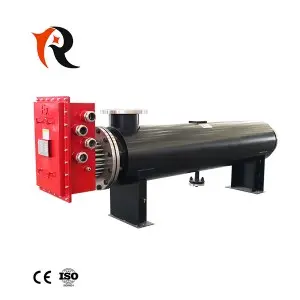
Our pipeline heater for heating high-temperature flue gas is a custom-engineered heating device specifically designed to raise the temperature of flue gas flowing through industrial pipelines to the required process temperature. Unlike general-purpose heating equipment, it is optimized for the unique characteristics of high-temperature flue gas—including corrosive components, variable flow rates, and wide temperature operating ranges—to ensure efficient heat transfer and minimal energy loss. Whether you need to maintain flue gas temperature for emission control systems, preheat gas for catalytic reactions, or improve the efficiency of downstream waste heat recovery, this pipeline heater provides the precise performance you need.
Each unit is tailored to match your specific pipeline dimensions, flow rate requirements, and target outlet temperature, ensuring a perfect fit for your existing process infrastructure without costly modifications. With a focus on safety, efficiency, and low maintenance, our pipeline heaters help industrial facilities reduce operational costs, improve process stability, and meet environmental compliance standards.
Working principle
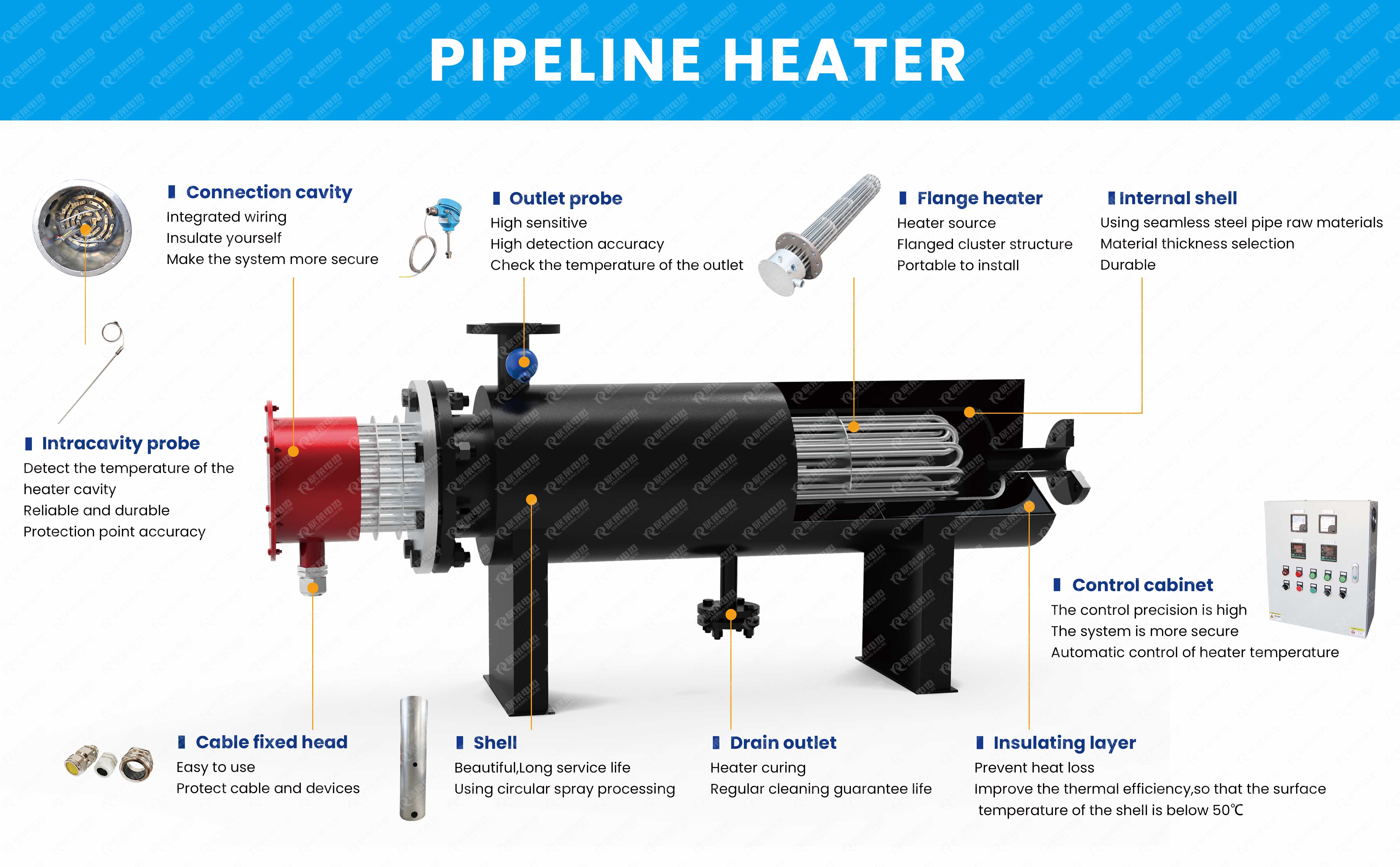
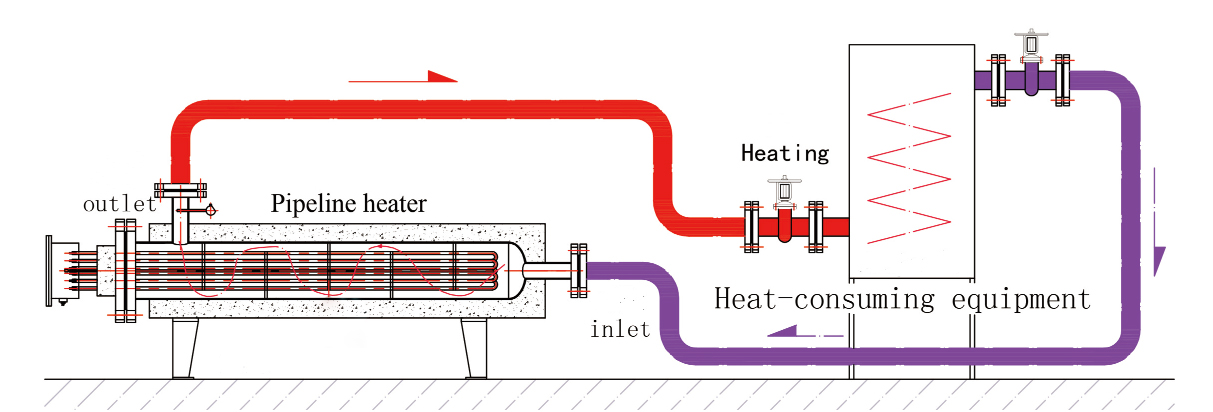
Pipeline electric heater is a device that consumes electrical energy to convert it into thermal energy for heating materials that need to be. During operation, the low-temperature fluid medium enters its inlet under pressure, flows through the specific heat exchange channels inside the electric heating vessel, and follows path designed based on fluid thermodynamics principles, carrying away the high-temperature heat energy generated by the electric heating elements, thus increasing the temperature of the heated medium The outlet of the electric heater obtains the high-temperature medium required by the process. The internal control system of the electric heater automatically regulates the output power of the heater according to the temperature sensor signal at the outlet, maintaining a uniform temperature of the medium at the outlet; when the heating element overheats, the independent over protection device of the heating element immediately cuts off the heating power supply, preventing the heating material from overheating, causing coke, deterioration, and carbonization, and severe cases, causing the heating element to burn out, effectively extending the service life of the electric heater.
Product Advantages
- Compared with traditional combustion-based flue gas heating methods, our electric pipeline heater offers multiple significant advantages. First, it achieves clean heating without producing additional combustion products, helping facilities reduce carbon emissions and meet environmental requirements. Second, the precise temperature control capability ensures that flue gas temperature remains stable even when the inlet flow rate or temperature fluctuates, improving the stability of downstream processes. Third, the modular design and high-quality materials reduce the frequency of maintenance and replacement, lowering the total cost of ownership over the service life of the equipment.
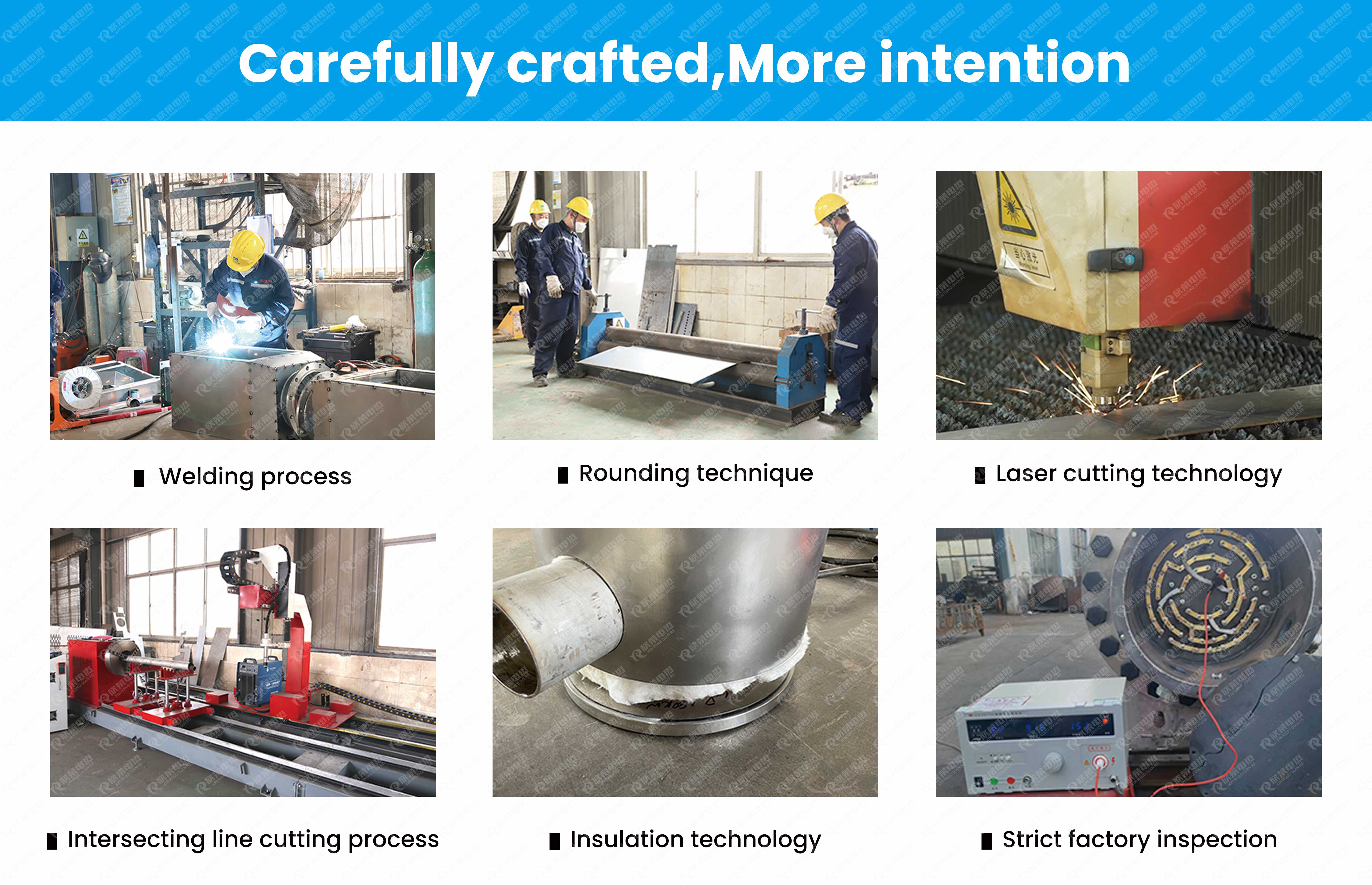
Our engineering team has more than 15 years of experience in industrial heating equipment design, and each heater undergoes strict pressure testing, insulation testing, and temperature uniformity testing before leaving the factory to ensure product quality meets international standards.
Product details display
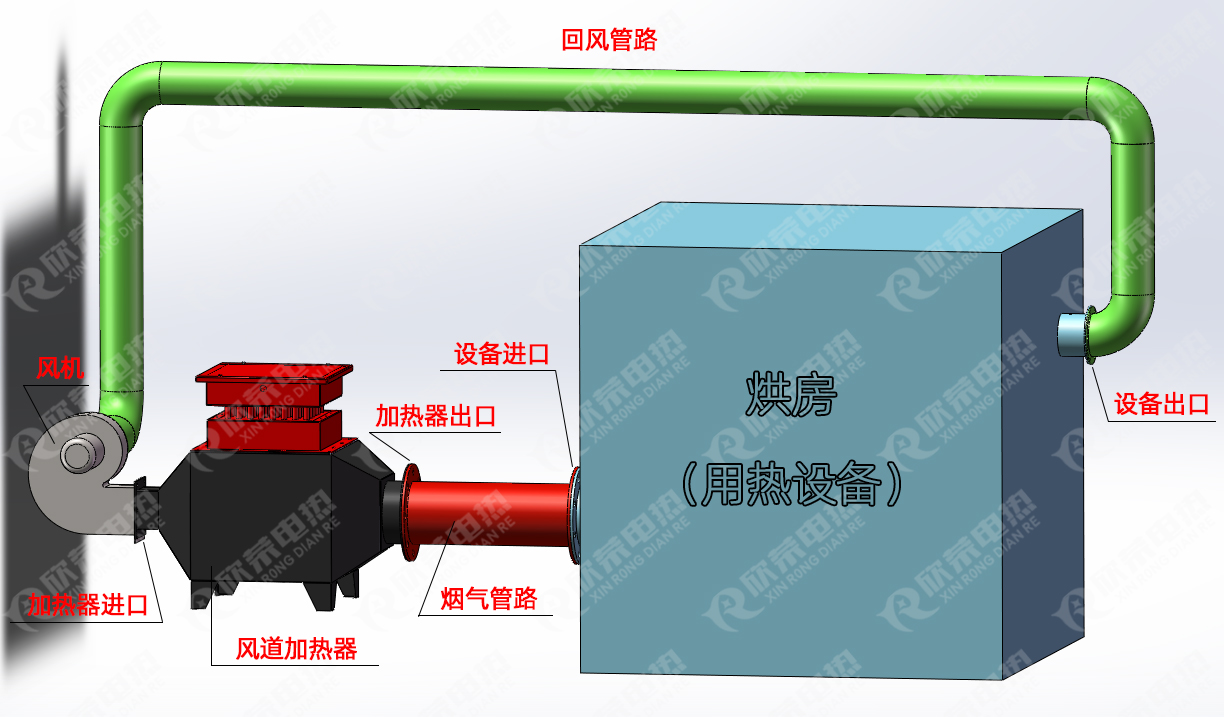
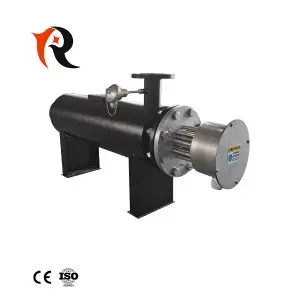
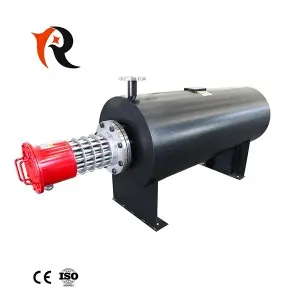
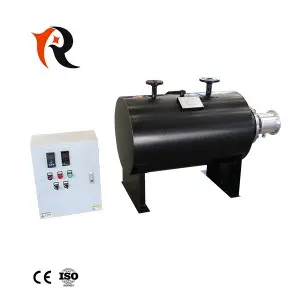
The air circulation pipeline heater is composed of two parts: body and control system.Electric heating element generates heat: The electric heating element in the heater is the core part of generating heat. When an electric current passes through these elements, they generate a lot of heat.
Forced convection heating: When nitrogen or other medium passes through the heater, the blower is used to force convection, so that the medium flows and passes through the heating element. In this way, the medium, as a heat carrier, can effectively absorb heat and transfer it to the system that needs to be heated.
Temperature control: The heater is equipped with a control system including temperature sensor and PID controller. These components work together to automatically adjust the output power of the heater according to the outlet temperature, ensuring that the medium temperature is stable at the set value.
Overheating protection: In order to prevent overheating damage to the heating element, the heater is also equipped with overheating protection devices. As soon as overheating is detected, the device immediately cuts off the power supply, protecting the heating element and the system.
Technical Specifications
| Parameter | Standard Range | Customizable Option |
| Nominal Pipeline Diameter | DN100 - DN2000 | Supports non-standard sizes |
| Maximum Working Pressure | 0.1MPa - 1.6MPa | Up to 6.4MPa available |
| Inlet Flue Gas Temperature | 100°C - 600°C | Supports inlet temperatures up to 800°C |
| Outlet Flue Gas Temperature | 150°C - 850°C | Custom target temperature available |
| Rated Heating Power | 10kW - 2000kW | Flexible power matching based on demand |
| Heat Transfer Efficiency | ≥95% | — |
| Temperature Control Accuracy | ±2°C | ±1°C for high-precision requirements |
| Power Supply | 380V/50Hz three-phase | Supports other voltage and frequency standards |
Product application
-
- Thermal Power Generation:Preheat flue gas before denitration and desulfurization processes to maintain the reaction temperature of catalysts, improve purification efficiency, and reduce catalyst deactivation caused by low flue gas temperature.
- Chemical Industry:Heat process flue gas for catalytic cracking, oxidation reaction, and waste gas treatment processes to ensure stable reaction conditions and improve product yield.
- Waste Heat Recovery:Raise the temperature of low-grade flue gas to expand the available temperature difference for waste heat power generation or heating applications, improving overall energy utilization efficiency of the facility.
- Incineration Treatment:Maintain the temperature of flue gas emitted from waste incinerators above the dioxin decomposition temperature, meeting strict environmental emission standards.
- Metallurgical Industry:Preheat flue gas used for steel roasting, sintering processes, and waste gas treatment to improve process efficiency and reduce fuel consumption.
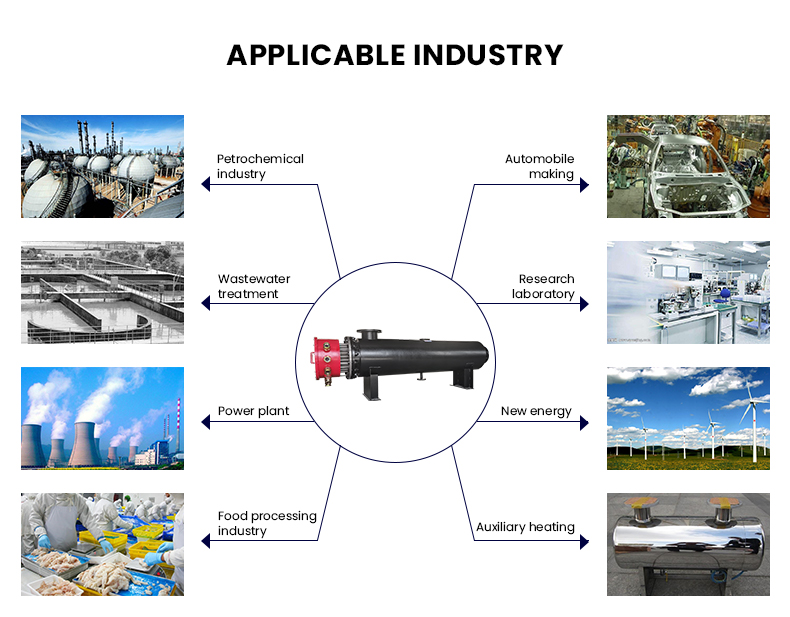
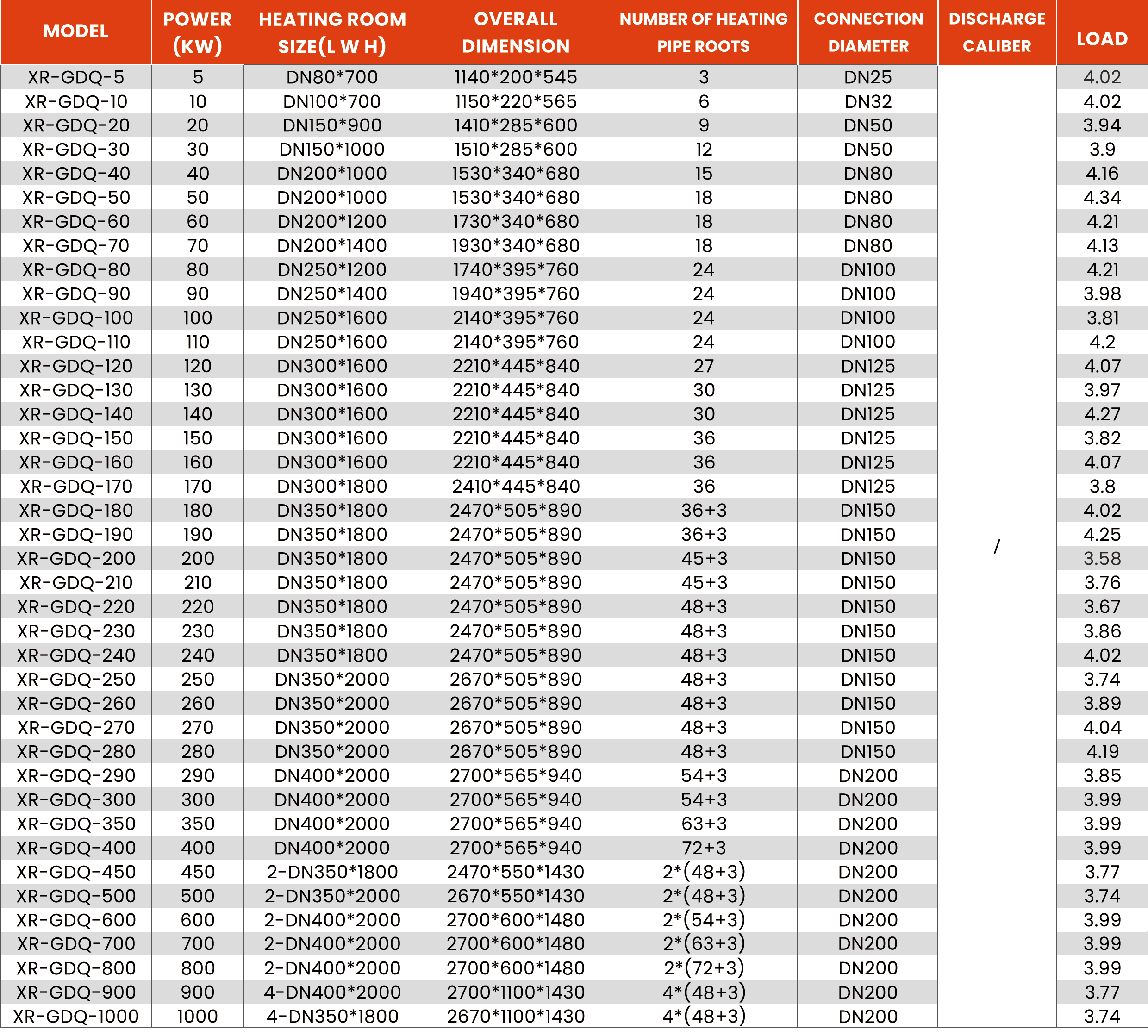
Technicial Specifications
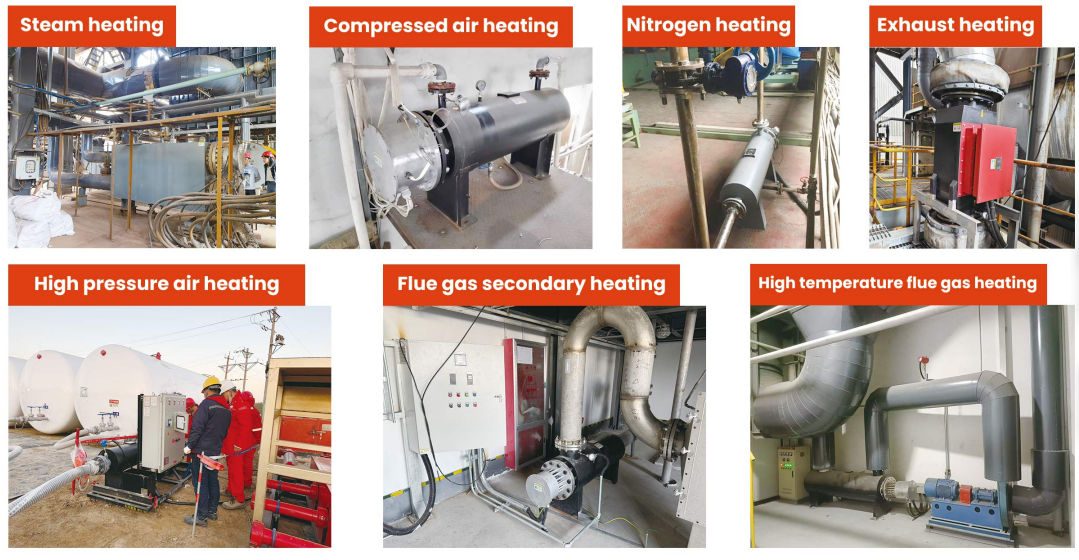
Customer use case
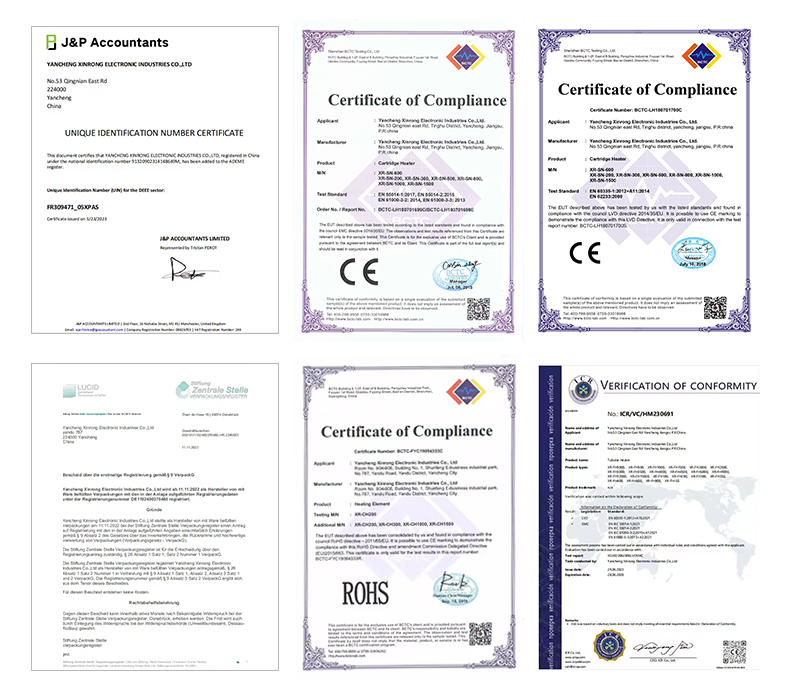
Certificate and qualification
Product packaging and transportation
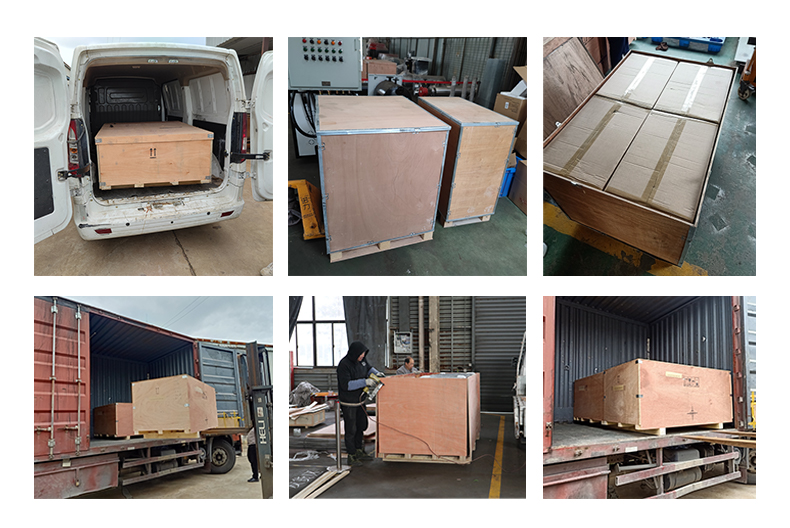
Equipment packaging
1) Packing in imported wooden cases
2) The tray can be customized according to customer needs
Transport of goods
1) Express (sample order) or sea (bulk order)
2) Global shipping services

Products categories
-
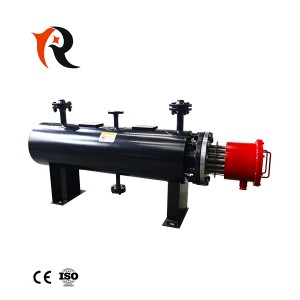
Air Pipeline Electric Heater
-
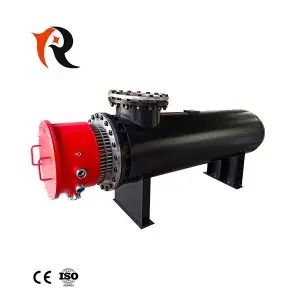
Explosion-proof gas pipeline electric heater
-
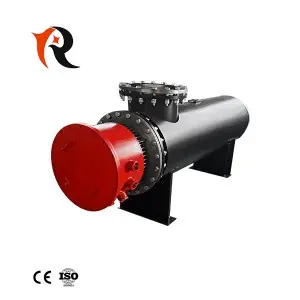
Chemical reactor pipeline heater
-
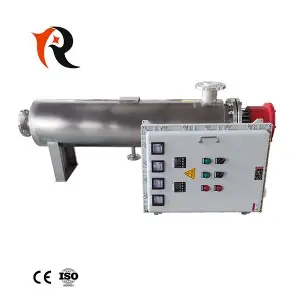
Explosion-proof pipeline heater
-
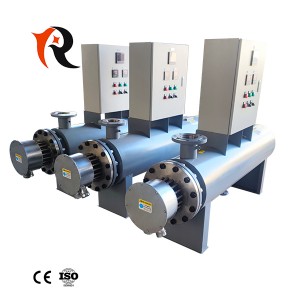
Electric water inline heater 50KW
-
Pipeline Heater Applications for Food and Pharm...
-
60KW industrial pipeline heater with blower
-
Glycol electric heater
-
50KW electric water circulating pipeline heater...
-
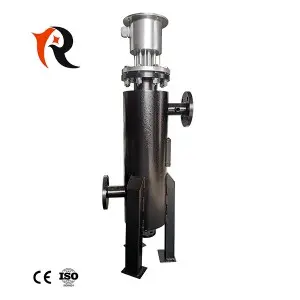
High Power Vertical Type Pipeline Heater
-
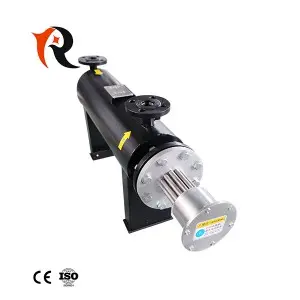
Industrial electric customized Air circulation ...
-
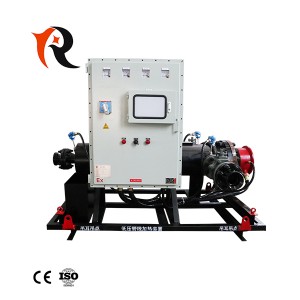
36KW electric oil pipeline heater with oil pump
-
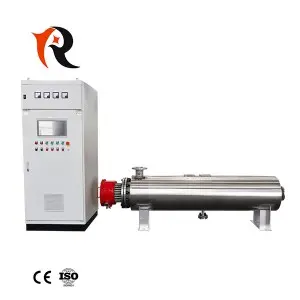
Customized 30KW stainless steel circulation hea...
-
Customized 9KW electric pipeline heater