What Is a Bitumen Heater Used For?
A Bitumen Heater warms bitumen to a workable temperature for pumping, mixing, or application. On road projects, crews may heat the binder before blending it with aggregates or feeding it to paving equipment. Roofing and waterproofing teams also use heat to soften bituminous products for coating and sealing. The precise purpose depends on the material and heater design.
Many heaters warm bitumen in tanks, drums, or dedicated vessels, using burners or electric elements. Some transfer heat indirectly through a jacket or coil; other designs work differently. Operators monitor the temperature because cool bitumen may flow poorly, while excessive heat can damage the material and create hazards. Follow the heater manufacturer’s limits and the product supplier’s temperature guidance. One temperature does not suit every grade.
A heater does more than make material hot. It can help maintain a steady supply and reduce delays when bitumen must pass through pumps, hoses, or spray bars. Details matter: container size, insulation, fuel source, output rate, and site conditions all affect performance. Not glamorous. Still important. It is easy to focus on “faster heating,” but even heating and safe controls deserve equal attention. A Bitumen Heater should match the material, workload, and operating environment, and trained personnel should inspect and operate it. This overview covers its uses, common configurations, and practical points to consider when choosing one.
What a Bitumen Heater Is
A bitumen heater is equipment that raises the temperature of bitumen and keeps it fluid enough to pump, pour, or mix.
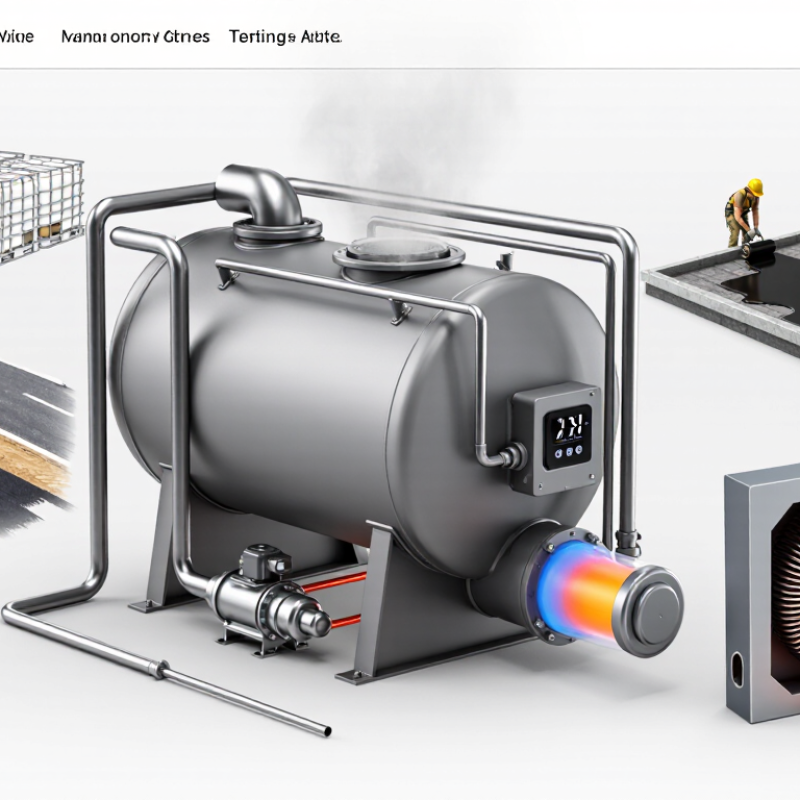
Bitumen is thick at ordinary temperatures. In a heated tank, coils or a burner transfer heat to the material while insulation slows heat loss. Some units also use circulating pumps to reduce temperature differences between the tank’s edges and center.
The exact design depends on the volume, fuel, and intended use.
It is not simply a large kettle. Operators monitor temperature, heating rate, and circulation to avoid overheating the bitumen near heating surfaces. Excessive heat can age the binder and affect its performance.
A temperature gauge helps, but it cannot show every hot or cool spot inside a tank. That is a real limitation.
Temperature control matters in road work. The Federal Highway Administration’s Warm-Mix Asphalt technical brief reports that warm-mix methods can lower production and placement temperatures by about 30–120°F compared with conventional hot-mix asphalt.
This range illustrates why heating equipment must suit the material and process, rather than aim for one universal setting. In practice, the correct temperature depends on the binder and project requirements.
A bitumen heater provides controlled heat; it does not determine the right specification.
How a Bitumen Heater Works
How a Bitumen Heater Works
A bitumen heater raises the material’s temperature so it can flow through pipes, pumps, or application equipment. Cold bitumen can be thick and slow to move. Heat reduces its viscosity. The exact setup depends on the heater design and the material being handled.
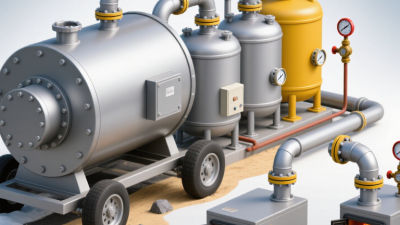
In many systems, a burner heats thermal oil, which circulates through a coil or jacket around the bitumen tank. This indirect transfer helps distribute heat without exposing the bitumen directly to a flame. Some equipment uses electric elements or direct-fired heating instead. A pump may keep the material moving, reducing cold spots near tank walls. Temperature sensors monitor conditions and help regulate the heat source.
Steady heating matters. Too little heat can make pumping difficult; excessive heat may degrade the material. Operators typically check the temperature reading, circulation, and flow before transferring bitumen. Warm-up takes time. A gauge can also be misleading if the tank is unevenly heated, so readings should be considered alongside actual flow. In practice, small differences in tank size, insulation, and ambient weather can change how quickly the material becomes workable.
Why Bitumen Needs Controlled Heating
What Is a Bitumen Heater Used For?
Why Bitumen Needs Controlled Heating
Bitumen heaters raise and maintain material temperature so it can flow through pipes, pumps, and spray bars. At ambient temperatures, many grades become too viscous for reliable handling. Heat matters. A steady, suitable temperature supports consistent coating, mixing, and transfer while reducing strain on pumps and valves.
Control is essential because bitumen does not respond well to careless heating. Excessive heat can accelerate aging, create smoke, and affect binder performance. Uneven heating may leave hot spots near a burner or coil while the tank’s center remains cool. Sensors, circulation, and insulation help limit these differences. The required setting depends on the grade and task, so operators should follow supplier guidance and equipment instructions rather than rely on guesswork.
In daily operation, temperature readings deserve a second look. A probe may measure one area, not the entire tank. Allow time for the material to circulate and stabilize before pumping or loading. This sounds obvious, yet rushed starts happen. Operators should check for leaks, unusual odors, and changing flow resistance. If flow remains uneven, inspect circulation and probe placement before raising the setpoint.
Where Bitumen Heaters Are Used
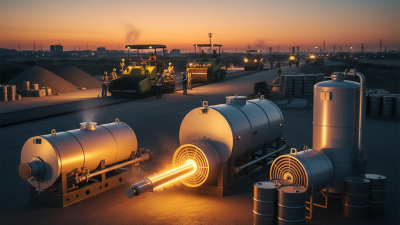
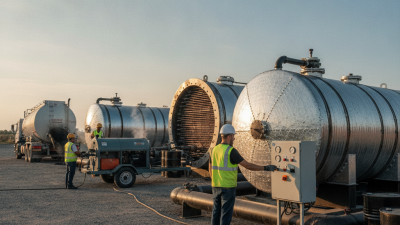
Bitumen heaters are used wherever this dense material must remain warm enough to pump, mix, or spread. On road construction sites, they help keep bitumen workable for asphalt production and pavement repairs. A heated storage tank may feed material to a mixing unit, while a mobile heater can support smaller maintenance jobs. Heat must stay even. Cold spots can make pumping difficult, while excessive heat may affect material quality.
These heaters also serve roofing and waterproofing work, where crews apply bitumen to cover seams, protect foundations, or seal flat roofs. In industrial settings, heated tanks and process lines keep bitumen moving between storage and production equipment. The exact setup depends on the material, volume, and job conditions. Real sites are less tidy than diagrams: hoses may run across uneven ground, and temperatures can shift during transfer. Operators need suitable controls, regular checks, and clear procedures for handling hot surfaces. A heater is not a cure-all; poor circulation or careless temperature monitoring can still cause delays.
Common Heater Types and Essential Safety Measures
Bitumen heaters maintain asphalt at workable temperatures for paving, roofing, and repair tasks. Common designs include direct-fired, thermal-oil, and electric heaters. Direct-fired units heat the tank with a burner, so flame controls and clear space around the unit matter. Thermal-oil systems transfer heat through coils, helping limit local hot spots. Electric immersion heaters suit smaller or closely controlled batches. Heat matters.
Every system needs a readable temperature gauge and an independent high-temperature shutoff. Keep water away from hot bitumen; trapped moisture can flash into steam and throw hot material. NIOSH’s 1977 Criteria for a Recommended Standard: Occupational Exposure to Asphalt Fumes recommends a 5 mg/m³ ceiling over 15 minutes. This is a recommended exposure limit, not a guarantee of safety. NIOSH’s 2001 Hazard Review also discusses respiratory and skin hazards from occupational asphalt exposure.
Wear heat-resistant gloves, long sleeves, protective boots, and a face shield over safety glasses. Position the heater outdoors or provide effective ventilation, and keep combustible materials away from burners. Check hoses, electrical connections, and emergency shutoffs before each shift. Crews sometimes rush temperature checks when a job falls behind. That shortcut can leave hot spots unnoticed.