How to Choose the Best Water Heat Rod
Choosing the best Water Heat Rod starts with a practical question: where will you use it? A small travel model may suit a mug or compact container, while a larger tank needs a rod designed for that volume. Match its power rating to the supply and vessel, and check the manufacturer’s stated heating capacity. A fast-heating model can be tempting, but it is not automatically the right choice.
Check the materials that contact water, the handle’s heat resistance, cord length, and any thermostat or automatic shutoff. Look for clear instructions and safety marks recognized in your region. Details matter. A short cord can make an awkward kitchen setup less safe, while a poorly fitting rod may not heat water evenly. This guide compares these features and explains which specifications deserve attention before purchase. It also considers price, durability, and everyday handling, rather than treating wattage as the only measure of quality. Always follow the product instructions, keep the heating element properly immersed, and unplug it before removal. Never operate it dry or leave it unattended unless the manufacturer specifically permits that use. There is no perfect model for every home; even careful comparisons can miss how a device feels in your own routine. That is worth admitting. A measured choice, based on your container, power supply, and safety needs, is usually more useful than a bold claim on the packaging.
Identify Your Water Heating Needs and Intended Use
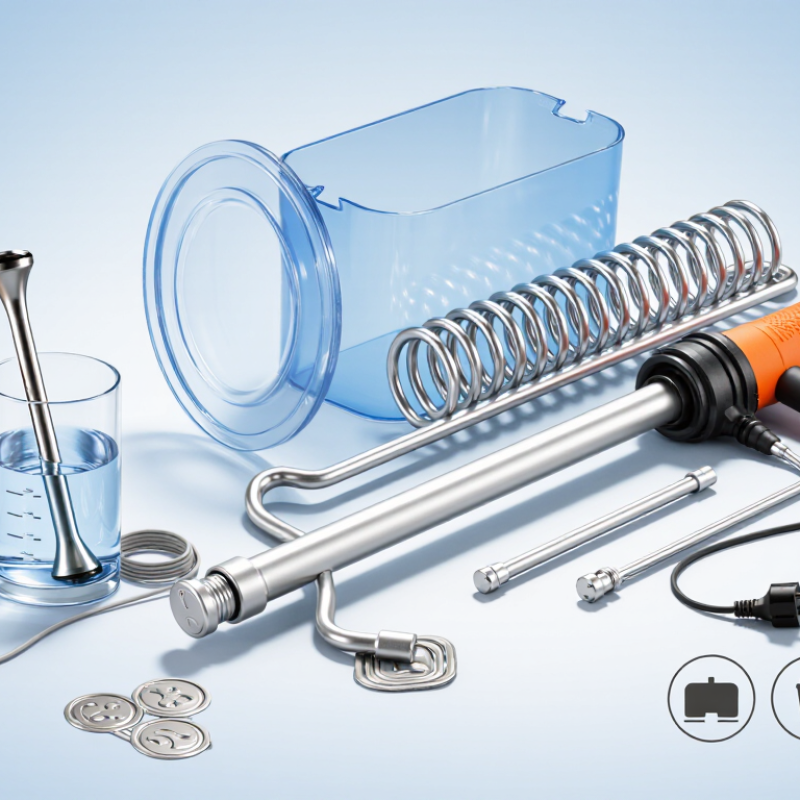
Before choosing a water heating rod, define what you need to heat and how often. A cup of water for tea requires less capacity than a basin for washing. Estimate the volume, starting temperature, and time you can wait. A small rod may suit occasional, portable use; a higher-output model may be more practical for larger amounts, if the outlet and vessel are rated for it. Check the product’s stated capacity and electrical requirements rather than relying on appearance. Looks can mislead.
Think about where the rod will be used. At home, a stable container and nearby grounded outlet may be available; while travelling, size, storage, and access to a suitable outlet matter more. Read the instructions for minimum water level, compatible containers, and cleaning. The heating element must be immersed as directed, and the unit should be unplugged before it is moved or removed. Never leave it operating unattended. Small details matter. I once assumed a deeper vessel would heat faster, but its wider shape changed the result. Recheck your choice against your actual routine, not an ideal one.
How to Choose the Best Water Heat Rod - Identify Your Water Heating Needs and Intended Use
| Selection factor | What to consider | Practical guidance |
|---|---|---|
| Intended use | Decide whether the rod is for occasional small-batch heating, routine household use, or a specific compatible vessel. | Choose a product explicitly rated for the intended application. An immersion rod is not automatically suitable for every container or for permanent water-heating installations. |
| Water volume | Estimate the amount of water you will heat each time. | Smaller batches generally need less power and time. Check the product instructions for its minimum and maximum water levels and compatible container size. |
| Heating power | Compare the rod’s wattage with the supply and circuit rating. | Higher wattage can heat water faster but draws more electrical current. Confirm that the outlet, circuit, plug, and any extension-free installation are suitable for the rated load. |
| Temperature and control | Consider whether you need a specific temperature or only basic heating. | A thermostat or temperature control can help regulate heating where provided. Verify the stated control range and do not assume that every model has automatic temperature regulation. |
| Material and water conditions | Check the heating element material and the manufacturer’s guidance for your water type. | Hard water can leave mineral deposits on heating elements. Look for clear cleaning and descaling instructions, and use materials compatible with the water and container. |
| Fit and immersion depth | Measure the container and check the rod’s heated length, handle clearance, and required immersion level. | The heated section must be submerged to the level specified by the manufacturer. The handle, plug, and cord should remain clear of water and excessive heat. |
| Electrical protection | Review grounding, insulation, over-temperature protection, and applicable electrical ratings. | Use a properly grounded supply with appropriate residual-current protection where required by local rules. Stop using a unit with damaged insulation, a loose plug, or a frayed cord. |
| Ease of maintenance | Consider how easily the rod can be inspected and cleaned after use. | Follow the maker’s cleaning instructions and disconnect power before cleaning or handling the unit. Do not immerse electrical connections or the handle unless explicitly designed for it. |
| Safety features and instructions | Look for clear operating limits and stated protections, such as dry-run or overheat protection. | Protection features vary by model and should not replace safe operation. Never energize a rod unless it is positioned and immersed as directed, and never leave it operating unattended. |
Safety reminder: Follow the product manual and local electrical requirements. Switch off and unplug the unit before removing it from the water, and allow it to cool before handling or cleaning. Do not use an immersion rod in a sealed container or in a vessel that is not approved for the product.
Related Posts
-
China Top Flanged Heater Manufacturers Suppliers?
-
China Top Flange Heating Manufacturers for Global Buyers
-
10 Best Flanged Heaters for Industrial Applications
-
Top China Best Air Fin Heater Options for Global Buyers?
-
How to Choose the Right Bitumen Heater for Your Needs?
-
2026 Top Rubber Heaters for Global Buyers What to Know?
-

Phone
-

E-mail
-

Whatsapp
Whatsapp