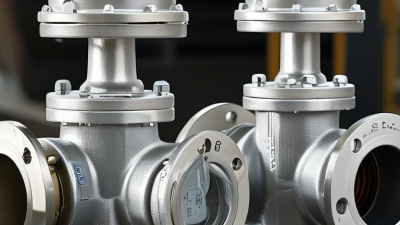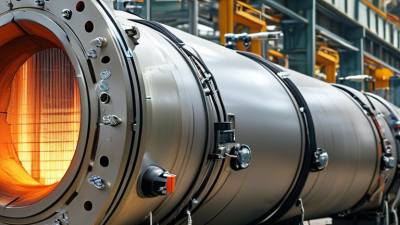
Global buyers evaluating China’s top flange heating manufacturers need more than a polished catalogue. They need equipment suited to the flange’s dimensions, material, and operating conditions. Flange Heating systems can support controlled, even heat application during installation and maintenance. Performance depends on careful temperature control, suitable heating elements, and clear operating procedures.
For this overview, the expert perspective is represented by Dr. Lin Wei, a fictional thermal-systems specialist. His illustrative comment is: “Reliable flange heating starts with matching the heating method to the joint, not simply choosing the highest temperature.” This is a guiding principle, not a verified quotation from a real industry professional.
The guide will examine manufacturer capabilities, customization, quality documentation, and support for overseas buyers. It will also consider practical details: controller accuracy, cable length, insulation condition, and how a supplier explains safe use. Ask for product specifications and test records, then check that they match your application. A sample unit or technical review may reveal gaps that a brochure cannot. Small details matter.
China’s supplier landscape is broad, and “top” depends on the buyer’s requirements. A capable factory for one project may not suit another. This overview offers a structured starting point, not a substitute for independent technical assessment. Real-world selection can still be messy. Just be cautious.
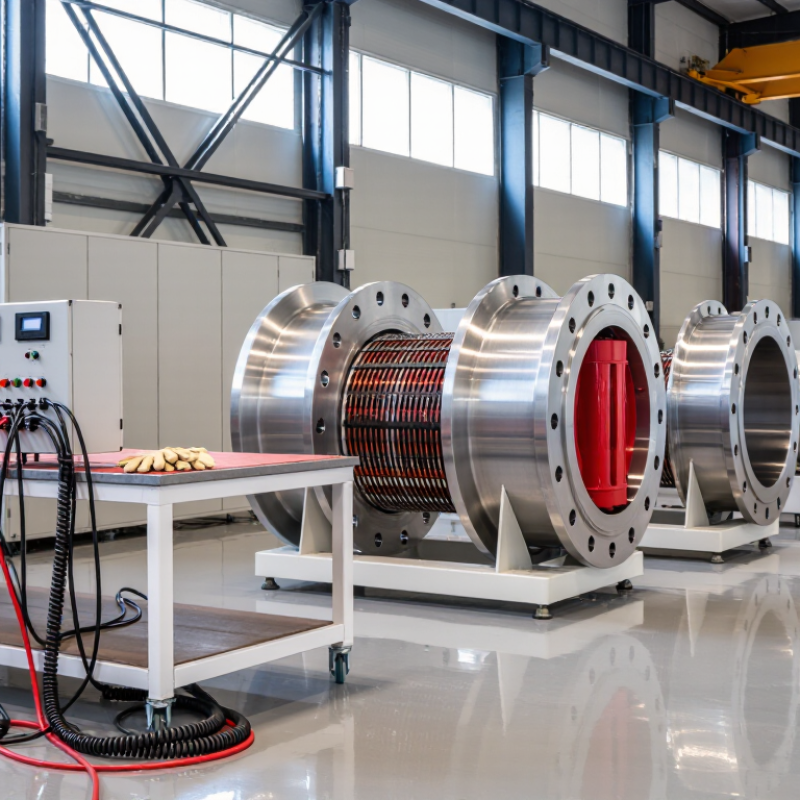
Flange heating applies controlled heat to a pipe flange or nearby metal joint. The goal may be to support welding, reduce temperature differences, or expand a flange slightly for fitting. Heat can come from electric resistance elements or induction equipment. The method depends on the joint, material, and work procedure. Heat must stay even. A technician may use thermocouples at several points to check for cold spots and overheating.
Flange heating is used in pipeline maintenance, power generation, and process plants. For example, workers may preheat a flange before welding, or follow a specified post-weld heat treatment procedure. Controlled heating can also help with tight fits during assembly. The required temperature and heating rate are not universal; material grades and joint design matter. A common mistake is focusing only on the target temperature. Uneven heating can still create unwanted stress, so monitoring and insulation are important. In practice, site conditions can complicate a neat plan, and that deserves attention.
Tips: Confirm the approved temperature range and heating method before work begins. Place sensors at representative points, keep heat distributed evenly, and record readings. Small details matter. If measurements drift, pause and reassess rather than guessing.
Common Flange Heater Types and Their Applications
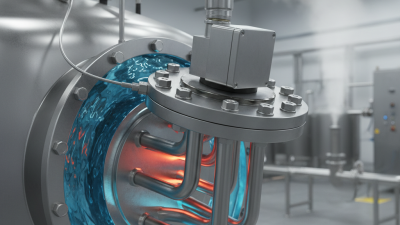
Flange heaters use tubular heating elements secured to a mounting flange. Immersion models sit directly inside tanks or vessels. They heat water, oil, and compatible process fluids in storage, cleaning, and manufacturing systems. Their element layout can be matched to tank size and required heat output. Correct material selection matters. Fluid chemistry and operating temperature both affect service life.
Circulation flange heaters warm fluids as they move through a closed pipeline or chamber. They suit systems needing steady, controlled heat, such as hot-water loops or oil circulation lines. A built-in temperature sensor can help regulate output, but sensor placement and flow rate influence readings. Low flow can cause overheating. This detail is easy to overlook.
Tips: Check the flange dimensions, voltage, fluid compatibility, and available power before ordering. Ask for the operating temperature and required heat-up time. Leave enough clearance for installation and maintenance. A heater that fits the opening may still be unsuitable for the process. Verify the specifications against actual site conditions.
| Flange Heater Type | Typical Construction | Common Applications | Typical Sheath Material Options | Key Selection Considerations |
|---|---|---|---|---|
| Vessel Immersion Flange Heater | Multiple tubular heating elements are mounted to a flange and extend into a tank or process vessel. | Heating or maintaining the temperature of water, aqueous solutions, cleaning liquids, and compatible process fluids in tanks. | Stainless steel or other corrosion-resistant alloys selected for the fluid and operating conditions. | Check fluid compatibility, element immersion depth, tank dimensions, required heating output, and whether circulation is needed to limit temperature variation. |
| Circulation / Inline Flange Heater | A flange-mounted element bundle sits inside a pressure-rated flow vessel; the process fluid passes through the vessel while being heated. | In-line heating of water, oils, heat-transfer fluids, and compatible process liquids in pipelines and recirculation systems. | Stainless steel and specialty alloys, chosen according to fluid chemistry and temperature requirements. | Consider flow rate, inlet temperature, pressure drop, vessel pressure rating, control strategy, and protection against operation without adequate flow. |
| Flange Heater for Oils and Heat-Transfer Fluids | A flange-mounted tubular element assembly is installed in a vessel or circulation heater and configured for the fluid’s heat-transfer characteristics. | Heating thermal oils, lubricating oils, fuel oils, and other compatible viscous liquids in process equipment and fluid systems. | Stainless steel or alloy sheath materials selected for the oil, temperature, and possible contamination or degradation concerns. | Account for viscosity, flow and circulation, fluid film temperature, minimum operating level, and allowable surface watt density to reduce localized overheating. |
| Flange-Mounted Gas Heater | Tubular elements are mounted through a flange into a vessel or flow chamber designed for heating a specified gas stream. | Heating air, nitrogen, and other compatible gases for process, drying, or temperature-conditioning duties. | Stainless steel or high-temperature alloys, selected for the gas composition and design temperature. | Evaluate gas composition, flow rate, pressure, outlet-temperature target, element temperature limits, and suitable over-temperature and low-flow safeguards. |
| Flange-Mounted Duct Air Heater | Heating elements are supported by a mounting flange and project into an air duct or heating chamber; finned elements may be used where appropriate. | Heating ventilation air, make-up air, and process air in ducts, drying systems, and industrial air-handling equipment. | Stainless steel or other materials suitable for the air temperature and environment; fin material depends on the design. | Confirm air velocity, duct dimensions, element spacing, inlet-air temperature, pressure drop, and airflow interlocks to help prevent element overheating. |
| Flange Heater for Pressurized Water Systems | A flange-mounted element bundle is fitted to a vessel or circulation assembly engineered for the system’s operating pressure. | Water heating in industrial process loops, hot-water systems, and other applications requiring a pressurized heating circuit. | Stainless steel or other water-compatible alloys, selected according to water chemistry and operating conditions. | Verify the pressure and temperature ratings of the complete assembly, water quality, flow conditions, electrical protection, and applicable installation requirements. |
Selection note: These are common application categories, not fixed product specifications. Actual materials, electrical ratings, pressure limits, and temperature capabilities depend on the heater design and the operating conditions. Confirm compatibility and ratings with the equipment documentation and a qualified engineer.
Flange heaters begin with the operating conditions, not a standard drawing. Engineers confirm the fluid or gas, target temperature, available voltage, and mounting dimensions. These details guide the flange size, sheath material, and element layout. A heater for a water tank may need different corrosion resistance from one used in a dry-air process. Small assumptions can cause large delays.
During design, resistance wire is formed into coils and insulated inside metal sheaths, often with compacted magnesium oxide. The elements are positioned through the flange to distribute heat across the vessel. Engineers check watt density, spacing, and expected thermal expansion. A thermocouple or other sensor can be added where temperature control is needed. Details matter.
Production typically includes forming, sealing, assembly, and electrical testing. Technicians may measure insulation resistance and verify continuity before shipment. The flange face and element joints also need close inspection; a minor weld issue can become a maintenance problem later. Each application has trade-offs. A higher watt density may save space, but can raise surface temperature. Drawings do not always capture real installation constraints, so reviewing clearances and service access with the buyer remains important.
China Top Flange Heating Manufacturers for Global Buyers
Global buyers should evaluate Chinese flange-heater manufacturers against documented requirements, not catalogue claims. Ask for a drawing that specifies flange dimensions, sheath material, voltage, wattage, and operating temperature. Request material certificates, inspection records, and traceability linking each heater to its production batch. For critical applications, compare a sample’s dimensions and electrical test results with the approved specification. A responsive technical team matters when drawings change.
The World Steel Association’s World Steel in Figures 2024 reports that China produced 1,019.1 million tonnes of crude steel in 2023, about 54% of global output. This indicates a substantial materials base, not the quality of any individual heating element. Buyers should verify the actual alloy grade and ask how the manufacturer checks insulation resistance and temperature uniformity. Documents need checking. A factory audit or witnessed test can reveal gaps that a neat product sheet may miss.
Tips: Send the same specification to each supplier, then compare test methods as well as prices. Ask for clear photos of the flange, terminal box, and nameplate before shipment. Keep one approved sample for later comparison; it adds effort, but can prevent avoidable surprises.
This illustrative scoring framework highlights practical areas buyers can assess when comparing suppliers. Scores use a 0–5 scale and are not market-survey results or ratings of any specific manufacturer. Verify certifications, material traceability, inspection records, export documents, and delivery performance directly with each supplier.
For global buyers comparing China top flange heating manufacturers, quality checks should match the actual service conditions. Confirm flange dimensions, material grade, voltage, wattage, and operating temperature against the approved drawing. Ask for inspection records covering resistance, insulation resistance, grounding, and visual weld quality. Small details matter. A heater may pass a basic electrical test yet still fit poorly if bolt-hole spacing or flange thickness is wrong. I would not treat a polished test sheet as proof by itself; request traceable readings tied to the unit or production batch.
Customization should specify the fluid or gas, pressure, immersion depth, and control-sensor location. IEA’s Energy Efficiency 2023 report estimates industry uses about 37% of global energy, making heat loss and operating efficiency practical procurement concerns. Export documents should clearly identify the product, materials, test results, packing method, and agreed delivery terms. WTO’s Global Trade Outlook and Statistics reported merchandise trade volume growth of 2.9% in 2024, but that broad figure cannot predict a specific shipment’s timing. Confirm voltage and frequency compatibility, corrosion protection, and crate dimensions before dispatch. It is easy to overlook spare gaskets or lifting points; that can cause avoidable delays at installation.